
Key Takeaways
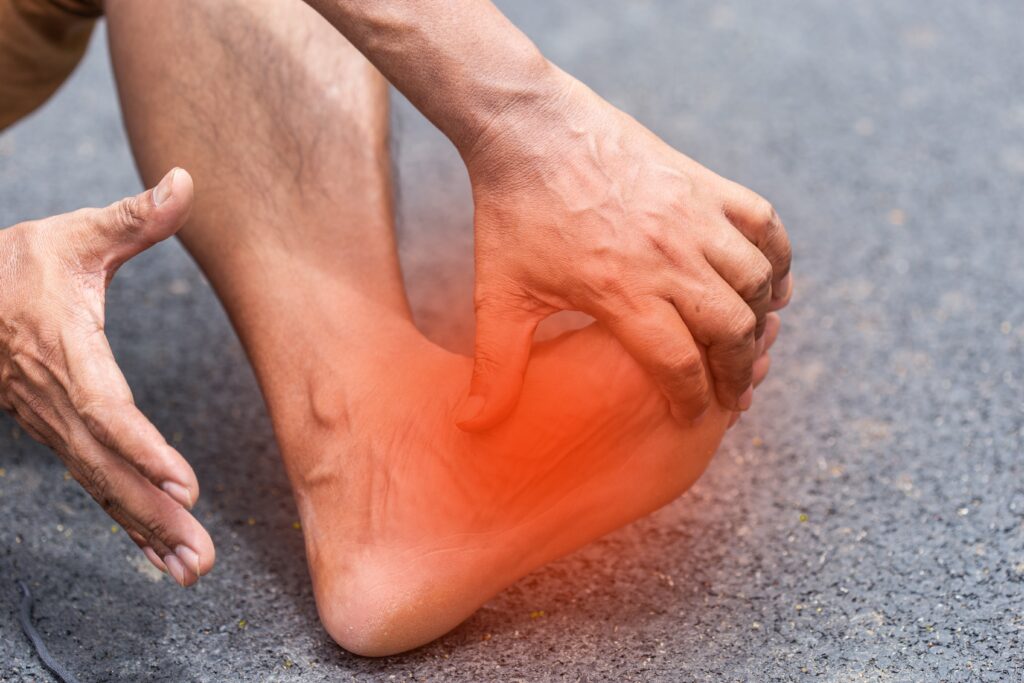
- Peripheral neuropathy describes damage or dysfunction affecting nerves outside the brain and spinal cord. It can cause burning, tingling, numbness, altered sensation, weakness, and balance difficulties.
- Symptoms often begin in the toes and feet before progressing upward. A gradual, symmetrical, stocking-like pattern is characteristic of many forms of distal peripheral polyneuropathy, although other patterns occur.
- Diabetes is an important cause, but it is not the only one. Vitamin B12 deficiency, alcohol exposure, certain medications, hereditary disorders, autoimmune conditions, and other medical problems may contribute.
- Not every numb foot has peripheral neuropathy. Lumbar radiculopathy, spinal stenosis, tarsal tunnel syndrome, and circulation problems can produce overlapping symptoms.
- Finding the underlying cause matters. Some causes are treatable, and early diagnosis may help prevent further nerve injury. Treatment should not focus solely on temporarily reducing tingling or burning.
- Exercise, balance training, foot protection, and medical management can improve safety and quality of life. However, no single chiropractic treatment, supplement, laser procedure, or other intervention reliably reverses every form of neuropathy.
- New weakness, rapidly progressing symptoms, or significant changes in walking require prompt evaluation. Sudden neurological symptoms or signs of acute limb ischemia may require emergency care.
“My Feet Feel Like They’re Burning, but They Aren’t Hot.”
A patient may come to Doyle Chiropractic describing an unusual sensation in the feet.
Sometimes it feels like walking on hot pavement.
Other patients describe:
“It feels like I’m wearing socks even when I’m barefoot.”
Or:
“My toes are numb, but they also tingle.”
Another patient may say:
“At night, the bottoms of my feet burn so badly that I can’t stand the sheets touching them.”
These symptoms can be frustrating because there may be no visible injury.
The skin may look normal.
The feet may not be swollen.
And the patient may not understand why a problem involving the nerves can create sensations that seem to come from the skin.
One possible explanation is peripheral neuropathy.
But before labeling every burning or numb foot as neuropathy, we need to understand what the term means and what other conditions can produce similar symptoms.
What Is Peripheral Neuropathy?
The peripheral nervous system includes nerves outside the brain and spinal cord.
These nerves carry information between the central nervous system and structures throughout the body.
They contribute to:
- Sensation
- Muscle activation
- Reflexes
- Certain automatic bodily functions
Peripheral neuropathy is a broad term describing dysfunction or damage affecting peripheral nerves.
It is not one specific disease with one specific cause.
Different forms of neuropathy can affect different types of nerves and produce different symptoms.
That distinction is important because treatment depends heavily on the underlying cause.
Sensory, Motor, and Autonomic Nerves
Peripheral nerves perform several functions.
When different nerve fibers are affected, the clinical presentation changes.
| Nerve function | What it does | Possible symptoms when affected |
|---|---|---|
| Sensory | Carries information about touch, temperature, pain, and position | Numbness, tingling, burning, reduced sensation |
| Motor | Helps activate muscles | Weakness, muscle wasting, difficulty lifting the foot |
| Autonomic | Helps regulate involuntary functions | Changes in sweating, blood pressure regulation, digestion, and other functions |
A patient may primarily experience sensory symptoms.
Another may develop significant weakness.
Some forms of neuropathy affect multiple nerve types.
This is one reason the word neuropathy alone does not provide a complete diagnosis.
Why Neuropathy Often Begins in the Toes
Many common forms of peripheral polyneuropathy affect the longest nerves first.
The nerves traveling from the spinal cord to the toes are among the longest in the body.
Certain metabolic, toxic, and other disorders can produce a pattern called length-dependent neuropathy.
Symptoms commonly begin in the:
- Toes
- Balls of the feet
- Soles
They may gradually spread upward toward the ankles and lower legs.
If the condition progresses, the hands may eventually become involved.
This distribution is sometimes described as a stocking-glove pattern.
The pattern is useful diagnostically, but not every form of neuropathy follows it.
Why Both Feet May Feel the Same
A gradual, relatively symmetrical pattern affecting both feet raises suspicion for a systemic peripheral nerve disorder.
For example, a patient may notice tingling in both sets of toes that gradually becomes more persistent.
That presentation differs from someone who suddenly develops numbness in one foot after a back injury.
Both deserve evaluation, but the possible causes are different.
A symmetrical pattern may suggest a metabolic, nutritional, toxic, hereditary, or other generalized nerve disorder.
A more localized pattern may suggest a particular nerve entrapment or spinal nerve-root problem.
Burning Pain and Numbness Can Occur Together
Patients sometimes find this contradictory.
They may say:
“How can my feet be numb and painful at the same time?”
The answer involves how different nerve fibers transmit information.
Some nerve fibers carry pain and temperature signals.
Others contribute to touch, vibration, and position sense.
When nerve function becomes abnormal, a person may experience both reduced normal sensation and unpleasant spontaneous sensations.
The result may include:
- Numbness
- Burning
- Electric shocks
- Pins and needles
- Increased sensitivity to touch
These sensations are not necessarily caused by an external injury to the skin.
They may reflect abnormal signaling within the nervous system.
Small-Fiber and Large-Fiber Neuropathy
Not all peripheral neuropathy affects the same nerve fibers.
Small-fiber neuropathy
Small nerve fibers are involved in pain, temperature sensation, and certain autonomic functions.
Symptoms may include:
- Burning feet
- Painful tingling
- Temperature-sensation changes
- Increased sensitivity to light touch
- Certain autonomic symptoms
A patient may have significant burning discomfort while routine strength and reflex testing remain relatively normal.
Standard nerve conduction studies can also be normal in isolated small-fiber neuropathy.
Specialized testing may be considered when the diagnosis remains uncertain.
Large-fiber neuropathy
Large sensory fibers help carry vibration and position information.
When these fibers are affected, patients may develop:
- Reduced vibration sensation
- Impaired position sense
- Numbness
- Balance difficulties
- Reduced reflexes
Some patients feel particularly unsteady in darkness or when their eyes are closed because they rely more heavily on vision to compensate for reduced position sense.
These patterns can overlap.
The distinction helps guide further evaluation.
Diabetes Is a Major Cause of Peripheral Neuropathy
Diabetes is one of the most common causes of peripheral polyneuropathy.
Over time, metabolic and vascular changes associated with diabetes can injure peripheral nerves.
Diabetic neuropathy commonly affects the feet in a relatively symmetrical distribution.
Symptoms may include:
- Burning
- Tingling
- Numbness
- Reduced protective sensation
- Balance difficulties
Some patients experience substantial pain.
Others gradually lose sensation without much pain.
That second presentation can be especially concerning because injuries may go unnoticed.
Neuropathy Can Develop Before Someone Knows They Have Diabetes
A patient does not necessarily have to have a long-established diabetes diagnosis before neuropathic symptoms appear.
Abnormal glucose metabolism, including prediabetes, may be associated with neuropathic symptoms in some individuals.
However, finding neuropathy does not automatically mean the patient has diabetes.
Appropriate medical evaluation may include testing for abnormal glucose regulation alongside other possible causes.
The important point is that unexplained burning or numbness in both feet should not simply be attributed to aging.
Vitamin B12 Deficiency Is an Important Treatable Cause
Vitamin B12 is necessary for normal neurological function.
Deficiency can contribute to peripheral neuropathy and other neurological abnormalities.
Potential symptoms may include:
- Numbness
- Tingling
- Balance changes
- Weakness
- Other neurological problems
Certain dietary patterns, gastrointestinal conditions, medications, and absorption problems can increase the risk of deficiency.
When clinically indicated, medical evaluation may include vitamin B12 testing and sometimes additional laboratory assessment.
Identifying and treating a deficiency is important because prolonged neurological injury may not always be completely reversible.
More Vitamins Are Not Always Better
Patients sometimes assume that because vitamin deficiency can cause neuropathy, taking large doses of nerve supplements must be beneficial.
That is not necessarily true.
For example, excessive vitamin B6 intake can itself cause sensory neuropathy.
Some supplements marketed for nerve health contain substantial doses of B6 or combinations of multiple ingredients.
Patients should not assume that high-dose supplementation is harmless.
A treatment plan should be based on an identified deficiency or another appropriate medical indication rather than the belief that every nerve problem requires more vitamins.
Other Medical Conditions and Exposures Can Cause Neuropathy
Peripheral neuropathy can have many potential causes.
Depending on the presentation, these may include:
- Chronic alcohol exposure
- Certain chemotherapy medications
- Other medication-related toxicities
- Kidney disease
- Thyroid disorders
- Autoimmune or inflammatory diseases
- Certain infections
- Hereditary neurological disorders
- Monoclonal protein disorders
- Other systemic medical conditions
In some patients, a cause remains unidentified even after appropriate investigation.
This may be described as idiopathic peripheral neuropathy.
However, that diagnosis should not be used simply because the cause is not immediately obvious.
A reasonable medical evaluation is important before concluding that the neuropathy is idiopathic.
Why Neuropathy Can Be Worse at Night
Many patients report that burning and tingling become more noticeable when lying in bed.
Several factors may contribute.
During the day, movement, environmental stimulation, and other activities can compete for attention.
At night, fewer distractions may make abnormal sensory signals more noticeable.
Some patients also experience symptoms related to contact with sheets or blankets.
This heightened sensitivity to normally nonpainful touch is called allodynia.
Nighttime burning can occur with neuropathy, but it is not exclusive to neuropathy.
The full symptom pattern still matters.
“It Feels Like I’m Walking on Pebbles.”
Another common description is:
“It feels like there’s something under the balls of my feet.”
Some patients describe walking on:
- Pebbles
- Cotton
- Thick socks
- A folded towel
- A soft cushion
Altered sensation can create the perception of an object beneath the foot even when nothing is present.
However, this sensation is not specific to peripheral neuropathy.
Forefoot conditions such as Morton’s neuroma, metatarsalgia, and other localized disorders may produce similar complaints.
The location, distribution, and examination findings help distinguish them.
Neuropathy Is Not the Same as Sciatica
Sciatica is commonly used to describe radiating pain involving the lower back, buttock, and leg.
Lumbar radiculopathy occurs when a spinal nerve root becomes irritated or compressed.
Peripheral polyneuropathy affects peripheral nerves, often in a more widespread pattern.
A patient with lumbar radiculopathy may report symptoms extending along one leg into a particular region of the foot.
A patient with length-dependent polyneuropathy may experience relatively symmetrical tingling beginning in both sets of toes.
These patterns are not absolute.
Some patients have both conditions.
That possibility becomes important when an older adult has lumbar degenerative changes on MRI and persistent numbness in both feet.
An Abnormal Lumbar MRI Does Not Explain Every Numb Foot
This is a common diagnostic trap.
A patient may have an MRI showing:
- Degenerative disc disease
- Disc bulging
- Facet arthritis
- Foraminal narrowing
- Spinal stenosis
Those findings may be relevant.
But they do not automatically explain symmetrical burning in both feet.
Degenerative spinal findings are common, especially with increasing age.
A patient may have lumbar arthritis and an unrelated peripheral neuropathy.
The diagnosis should be based on whether the symptoms, neurological examination, and imaging findings correspond.
Treating the lower back simply because the MRI looks abnormal may miss the actual cause of the foot symptoms.
Tarsal Tunnel Syndrome Can Resemble Neuropathy
The tibial nerve travels through a region near the inside of the ankle called the tarsal tunnel.
Irritation or compression of this nerve can produce symptoms involving portions of the foot.
Patients may experience:
- Burning
- Tingling
- Numbness
- Discomfort along the sole
Unlike a typical symmetrical polyneuropathy, tarsal tunnel syndrome may be more localized or affect one foot predominantly.
However, symptoms overlap.
The examination may include assessment of the ankle, nerve distribution, and other possible causes.
A diagnosis should not be made solely from the presence of burning in the sole.
Circulation Problems Can Also Cause Foot Symptoms
Poor circulation can produce pain, temperature changes, and other symptoms in the feet.
Peripheral artery disease may cause exertional leg discomfort and reduced circulation.
More severe vascular compromise may produce:
- Coldness
- Color changes
- Pain
- Tissue changes
- Poor wound healing
A suddenly cold, pale, painful foot with numbness or weakness can indicate acute limb ischemia.
That requires emergency medical evaluation.
Not every burning or numb foot is a nerve problem.
Vascular causes must be considered when the history and examination suggest them.
Loss of Protective Sensation Can Be More Dangerous Than Pain
Some patients with neuropathy have very little discomfort.
Instead, they gradually lose the ability to detect:
- Pressure
- Heat
- Minor injuries
- Blisters
- Skin irritation
This is particularly important in patients with diabetes.
A person who cannot reliably feel an injury may continue walking on an affected area.
That can increase the risk of skin breakdown and infection.
For patients with reduced protective sensation, foot inspection and appropriate medical foot care are essential.
The absence of pain does not necessarily mean the condition is mild.
Why Peripheral Neuropathy Can Affect Balance
Balance depends on information from several systems.
These include:
- Vision
- Inner-ear vestibular function
- Sensory feedback from the feet and joints
- Muscle strength
- Central nervous system processing
Peripheral neuropathy can reduce sensory feedback from the feet.
A patient may feel reasonably steady when looking at the floor but become less stable in darkness or on uneven surfaces.
Some patients describe:
“I don’t trust my feet anymore.”
Others notice difficulty walking across grass, stepping off a curb, or navigating a dark hallway.
Those complaints deserve careful assessment because fall risk can become a major consequence of neuropathy.
Foot Drop Is Not a Routine Tingling Symptom
Foot drop describes difficulty lifting the front of the foot.
It can cause:
- Toe dragging
- Tripping
- A high-stepping gait
- Difficulty walking on the heels
Foot drop can arise from several neurological conditions, including:
- Peroneal nerve injury
- Lumbar nerve-root pathology
- Certain peripheral neuropathies
- Other neurological disorders
New foot drop requires prompt medical evaluation.
It should not simply be treated as an ordinary symptom of age-related neuropathy.
How Is Peripheral Neuropathy Diagnosed?
The diagnosis begins with the history and physical examination.
Important questions include:
- Did symptoms begin in one foot or both?
- Did they start in the toes?
- Are symptoms progressing upward?
- Is there burning, numbness, or both?
- Are symptoms constant or intermittent?
- Is weakness present?
- Has balance changed?
- Is there a history of diabetes?
- Are there relevant medications or alcohol exposures?
- Is there a family history of neuropathy?
The examination may evaluate:
- Light-touch sensation
- Pinprick sensation
- Vibration
- Position sense
- Reflexes
- Muscle strength
- Walking and balance
- Foot condition
- Circulation when indicated
No single finding establishes every form of peripheral neuropathy.
The pattern helps determine what further testing may be appropriate.
Blood Tests May Identify a Treatable Cause
Depending on the patient’s history and examination, medical evaluation may include laboratory testing for conditions associated with neuropathy.
Common considerations include:
- Diabetes or abnormal glucose regulation
- Vitamin B12 deficiency
- Kidney or other metabolic abnormalities
- Monoclonal proteins
- Other clinically suspected causes
Additional tests may be appropriate based on the presentation.
The objective is not to order every possible laboratory test for every patient.
It is to identify important causes that may change treatment.
Nerve Conduction Studies and EMG
Electrodiagnostic testing may help evaluate peripheral nerve function.
Nerve conduction studies assess how electrical signals travel through selected peripheral nerves.
Needle electromyography evaluates electrical activity within muscles.
These tests may help distinguish:
- Peripheral polyneuropathy
- Certain nerve entrapments
- Lumbar radiculopathy
- Other neuromuscular disorders
However, electrodiagnostic testing has limitations.
For example, isolated small-fiber neuropathy may not be detected by routine nerve conduction studies.
The results must be interpreted alongside the clinical presentation.
Can Peripheral Neuropathy Be Reversed?
The answer depends on the cause.
Some forms of neuropathy may improve when an underlying problem is identified and treated.
For example, addressing a nutritional deficiency or removing an offending exposure may help prevent additional injury and, in some cases, permit partial recovery.
Other forms involve longstanding nerve damage that may not be fully reversible.
Diabetic neuropathy often requires ongoing management of the underlying metabolic condition and its complications.
There is no universal treatment that reliably regenerates damaged peripheral nerves regardless of cause.
That is why identifying the diagnosis matters more than simply choosing a treatment advertised for neuropathy.
Why Early Evaluation Matters
A patient may tolerate mild tingling for months or years before seeking care.
But progressive symptoms deserve investigation.
If a treatable cause is present, delay may allow additional nerve injury to occur.
Early evaluation can also identify:
- Reduced protective sensation
- Fall risk
- Weakness
- Foot complications
- Other medical conditions
The goal is not to alarm every patient with occasional tingling.
It is to recognize that persistent or progressive neurological symptoms deserve a clear explanation.
The Most Important Question Is Not Simply “How Do I Stop the Burning?”
A more useful clinical discussion asks:
Is this truly peripheral neuropathy?
Is the pattern symmetrical or localized?
Which types of nerve fibers appear to be involved?
Could the symptoms be coming from the lumbar spine, an individual peripheral nerve, or circulation?
Is there an identifiable medical cause that needs treatment?
Has the patient lost protective sensation or developed weakness?
Are balance and walking becoming less reliable?
And what combination of medical management, rehabilitation, symptom control, and preventive care offers the best opportunity to preserve function?
Those questions help turn a frustrating symptom into a meaningful diagnostic and treatment plan.
How Doyle Chiropractic Evaluates Burning, Tingling, and Numbness in the Feet
When a patient comes to Doyle Chiropractic complaining of burning, tingling, or numbness in the feet, the first priority is determining where the symptoms are coming from.
Dr. Geoffrey Doyle considers whether the presentation is more consistent with:
- Peripheral polyneuropathy
- Lumbar radiculopathy
- Lumbar spinal stenosis
- A localized peripheral nerve entrapment
- Another neurological or musculoskeletal condition
- A vascular or systemic medical problem
These conditions can produce overlapping symptoms, but their treatment pathways may be very different.
A patient with a compressed lumbar nerve root may require a different approach from someone with diabetic peripheral neuropathy.
Likewise, a patient with vitamin B12 deficiency needs identification and appropriate medical treatment of that deficiency rather than treatment directed only at the lower back.
The objective is to identify the likely source of the symptoms and determine which healthcare services are appropriate.
The Pattern of Numbness Often Provides the First Important Clue
A careful neurological history can reveal whether symptoms follow a recognizable distribution.
For example, a patient who reports gradually developing tingling in the toes of both feet may have a pattern consistent with length-dependent peripheral polyneuropathy.
Another patient may describe numbness extending from the lower back through the buttock and into one leg.
That presentation may raise greater suspicion for lumbar nerve-root involvement.
A third patient may experience burning confined primarily to the sole of one foot, particularly around the inside of the ankle.
That may prompt consideration of a localized peripheral nerve disorder.
These distinctions do not establish the diagnosis independently.
They help determine which structures and medical conditions deserve further investigation.
The neurological examination
Depending on the patient’s presentation, the examination may include:
- Muscle strength
- Deep tendon reflexes
- Light-touch sensation
- Pinprick sensation
- Vibration sense
- Joint-position awareness
- Walking mechanics
- Balance
- Foot and ankle function
The examination may also assess lumbar movement, peripheral nerve distributions, and circulation when clinically indicated.
Particular attention is given to whether symptoms are stable, progressive, or associated with meaningful neurological loss.
Identifying the Cause Is More Important Than Choosing a Treatment First
Peripheral neuropathy is not a single diagnosis with a single treatment.
It is a category of neurological disorders.
A patient with neuropathy caused by diabetes may require a different medical strategy from someone with:
- Vitamin B12 deficiency
- Medication-related nerve toxicity
- An inflammatory neuropathy
- A hereditary neuropathy
- An unidentified cause
Some conditions are treatable, and identifying them early may reduce the risk of additional nerve damage.
For that reason, patients with suspected peripheral polyneuropathy should receive appropriate medical evaluation.
This may involve coordination with a primary care clinician, neurologist, endocrinologist, or another specialist.
The exact referral depends on the clinical findings.
Treating the symptoms without investigating the cause can leave an important medical problem unaddressed.
Medical Management Depends on the Underlying Neuropathy
For diabetic peripheral neuropathy, management generally includes attention to glucose control, cardiovascular risk factors, foot protection, and other aspects of diabetes care.
For nutritional neuropathy, correcting the underlying deficiency may be important.
For medication-related neuropathy, the prescribing clinician may need to evaluate the medication regimen and possible alternatives.
For certain inflammatory neuropathies, disease-specific medical treatment may be necessary.
These approaches are not interchangeable.
No single therapy should be advertised as a universal solution for peripheral neuropathy.
Treatment for Nerve Pain Is Different From Treatment for Nerve Damage
This is an important distinction.
A medication may reduce neuropathic pain without reversing the underlying nerve injury.
Similarly, a patient may experience less burning while continuing to have reduced protective sensation.
For selected patients with painful peripheral neuropathy, a prescribing clinician may consider medications such as:
- Duloxetine
- Gabapentin
- Pregabalin
- Certain other neuropathic pain medications
Medication selection depends on the diagnosis, medical history, potential side effects, and individual response.
Some patients experience meaningful relief.
Others have limited benefit or adverse effects.
Pain reduction is valuable, but it does not necessarily mean normal nerve function has returned.
The patient may still need foot protection, balance training, and ongoing medical management.
Exercise and Rehabilitation Can Improve Function Even When Neuropathy Persists
Peripheral neuropathy may affect strength, coordination, endurance, and confidence during movement.
For appropriately selected patients, rehabilitation may address these limitations.
Potential components include:
- Lower-extremity strengthening
- Balance training
- Gait training
- Functional exercises
- General conditioning
- Fall-prevention strategies
These interventions do not necessarily repair damaged peripheral nerves.
Their purpose is to improve the patient’s ability to function safely with the neurological capacity they currently have.
For example, a patient with reduced sensation in the feet may benefit from strengthening the hips and legs, improving balance strategies, and practicing safer movement.
The objective is to preserve mobility and independence.
Balance Training Is Particularly Important
A patient with sensory neuropathy may have difficulty knowing exactly where the feet are positioned.
That can make ordinary activities more challenging.
Examples include:
- Walking on uneven ground
- Stepping off a curb
- Turning quickly
- Navigating stairs
- Walking in dim lighting
A rehabilitation program may use progressively challenging balance exercises.
However, safety is essential.
Patients with significant sensory loss should not be instructed to perform difficult balance exercises without appropriate support or supervision.
The program should reflect the patient’s actual fall risk.
Strengthening can support stability
Weakness and deconditioning may further increase fall risk.
Appropriate strengthening may target:
- Hip muscles
- Quadriceps
- Ankle musculature
- Other lower-extremity muscles
Improved muscular capacity can help compensate for some functional limitations.
But strength training does not restore lost sensation by itself.
Foot Protection Is a Major Part of Neuropathy Care
For patients with reduced protective sensation, foot care can be just as important as symptom management.
A person who cannot reliably feel pressure or minor injuries may develop problems without realizing it.
Appropriate precautions may include:
- Inspecting the feet regularly
- Wearing properly fitting footwear
- Checking shoes for foreign objects
- Avoiding walking barefoot when protective sensation is impaired
- Avoiding direct exposure to excessive heat
- Seeking medical evaluation for wounds or skin changes
Patients with diabetes and neuropathy may need regular professional foot examinations and, in selected circumstances, podiatric care.
A blister or wound that seems minor can become serious when sensation or circulation is impaired.
Why Hot Water and Heating Pads Require Caution
Patients with neuropathy sometimes use heat to soothe uncomfortable feet.
However, reduced temperature sensation can make burns more likely.
A person may not recognize that water or a heating pad is too hot.
This is especially important for patients with diabetic neuropathy or significant sensory loss.
Direct heating devices should not be used on areas where temperature sensation is impaired.
Comfort measures must be selected with the patient’s sensory function in mind.
The Role of Chiropractic Care
Chiropractic treatment may be appropriate when a patient with neuropathic symptoms also has a musculoskeletal condition that can reasonably benefit from conservative care.
For example, a patient may have both:
- Peripheral neuropathy
- Mechanical low-back pain
Or:
- Peripheral neuropathy
- Lumbar radiculopathy
Those conditions can coexist.
Appropriate treatment of the musculoskeletal problem may improve pain or function associated with that particular condition.
However, spinal manipulation should not be presented as a treatment that reverses diabetic peripheral neuropathy or repairs generalized nerve damage.
The presence of foot numbness does not automatically mean that a spinal adjustment is indicated.
The diagnosis determines the treatment.
Class IV Laser Therapy and Peripheral Neuropathy
Patients may encounter advertisements suggesting that laser therapy can restore damaged nerves or reverse neuropathy.
Research into photobiomodulation and certain neuropathic conditions is ongoing.
Some studies have explored potential effects on pain and other symptoms, but the evidence is limited and heterogeneous.
There is not sufficient high-quality evidence to conclude that Class IV laser therapy reliably reverses established peripheral nerve damage or restores normal sensation across the various causes of neuropathy.
If laser therapy is considered as an adjunct for a selected patient, expectations should remain realistic.
It should not replace:
- Evaluation for diabetes or other medical causes
- Appropriate neurological testing
- Disease-specific treatment
- Foot protection
- Fall-prevention measures
A reduction in burning pain should also not be interpreted as proof that damaged nerves have regenerated.
Electrical Stimulation and Other Neuropathy Treatments
Patients may also encounter electrical stimulation devices or other treatments marketed for neuropathy.
Some forms of electrical stimulation have been investigated for symptom management.
However, evidence varies by technique, diagnosis, and outcome.
A treatment that temporarily changes pain perception does not necessarily reverse the underlying neuropathy.
Patients should be cautious about claims that a device can permanently restore nerve function regardless of the cause or severity of nerve damage.
Treatment decisions should prioritize established medical evaluation and interventions with reasonable evidence for the patient’s specific condition.
The Dr. Doyle Perspective
“When somebody tells me their feet are burning or going numb, I don’t want to assume it’s coming from their back just because they’re sitting in a chiropractic office. I want to know whether it’s one foot or both, whether it started in the toes, whether there’s weakness, and whether their balance has changed. If the symptoms point toward a generalized neuropathy, we need to make sure the medical causes are being investigated. If there’s also a spinal problem contributing to their symptoms, we can evaluate that separately. The biggest thing I want patients to understand is that reducing pain and restoring nerve function aren’t always the same thing. We need to protect their feet, preserve their balance, and make sure we’re treating the right problem.”
— Dr. Geoffrey Doyle, DC
Our Clinical Experience
Consider several patients who describe numbness in the feet.
The first patient has gradually developed tingling in both sets of toes over several years.
The symptoms are relatively symmetrical, and the patient has a history of diabetes.
That presentation raises concern for distal symmetric peripheral polyneuropathy.
Appropriate medical management, sensory assessment, foot protection, and functional rehabilitation may all be relevant.
A second patient develops numbness along the outside of one foot after an episode of low-back pain.
The symptoms are associated with radiating leg pain and particular lumbar movements.
That pattern may raise greater concern for lumbar radiculopathy.
A third patient reports burning in both feet but also notices that walking has become less stable, particularly in darkness.
Examination reveals reduced vibration or position sensation.
That patient may benefit from neurological evaluation and a rehabilitation program emphasizing balance and fall prevention.
A fourth patient reports rapidly developing numbness and weakness in both legs over a short period.
That presentation is not typical of a slowly progressive, uncomplicated distal polyneuropathy.
It requires urgent medical evaluation.
All four patients may use the same words:
“My feet are numb.”
But the underlying diagnoses and appropriate treatment pathways may be very different.
When a Neurology Referral May Be Appropriate
A neurological consultation may be useful when:
- The cause of neuropathy remains unclear
- Symptoms are progressing
- Significant weakness is present
- The pattern is unusual or asymmetrical
- Symptoms involve multiple regions
- The examination suggests a complex neurological disorder
- Additional testing may change management
Certain patterns deserve particular attention.
For example, rapidly progressive weakness, prominent motor involvement, marked asymmetry, or substantial autonomic symptoms may suggest a condition requiring more urgent investigation.
Not every neuropathy follows the familiar pattern of gradually worsening tingling in both feet.
Recognizing atypical presentations is important.
When Neuropathy Symptoms Require Urgent or Emergency Care
Gradual numbness in both feet should be medically evaluated, but it is not necessarily an emergency.
Other presentations require greater urgency.
Prompt medical assessment is appropriate for:
- New foot drop
- Progressive muscle weakness
- Rapidly worsening numbness
- Significant new balance impairment
- Unexplained asymmetrical neurological deficits
Emergency evaluation may be necessary for:
- Sudden weakness or numbness associated with stroke-like symptoms
- Rapidly progressive weakness with difficulty breathing or swallowing
- Sudden severe limb pain with a cold, pale, or pulseless extremity
- New bowel or bladder dysfunction with saddle numbness or severe neurological symptoms
These findings should not be attributed to routine peripheral neuropathy without appropriate evaluation.
Measuring Improvement Requires More Than Asking Whether the Burning Is Better
For a patient receiving treatment, progress should be evaluated across several areas.
These may include:
- Pain severity
- Frequency of tingling
- Sleep quality
- Walking tolerance
- Balance
- Muscle strength
- Sensory function
- Daily activities
- Foot condition
A patient whose burning pain improves but whose balance continues to deteriorate may still have a significant unresolved problem.
Likewise, a patient who experiences less discomfort but has worsening protective sensation remains at risk for foot injury.
Treatment success should reflect meaningful improvements in health, safety, and function—not simply a lower pain score.
Can Nerves Recover?
Peripheral nerves have some capacity for repair and regeneration, but recovery depends on the nature and severity of the injury.
Important factors include:
- The underlying cause
- Duration of nerve damage
- Type of nerve fibers affected
- Whether the damaging process is ongoing
- Overall medical health
Some patients experience partial recovery when a treatable cause is corrected.
Others have persistent deficits despite appropriate treatment.
For longstanding neuropathy, realistic management may focus on preventing progression, controlling symptoms, protecting the feet, and maintaining independence.
Patients should be cautious about treatments promising complete nerve regeneration without regard to the underlying diagnosis.
Living Well With Neuropathy
A diagnosis of peripheral neuropathy does not mean a patient must give up physical activity or independence.
Many people can remain active through an individualized combination of:
- Appropriate medical management
- Strengthening
- Balance training
- Safe physical activity
- Foot care
- Environmental modifications
- Fall prevention
Some patients may benefit from assistive devices or specialized footwear.
Others may need modifications to exercise routines or additional medical supervision.
The objective is to preserve as much safe, meaningful activity as possible.
Frequently Asked Questions
What are the first signs of peripheral neuropathy?
Common early symptoms include tingling, burning, numbness, or altered sensation in the toes and feet. Some patients first notice balance changes or reduced ability to feel the ground.
Why do my feet burn at night?
Burning at night may occur with peripheral neuropathy, particularly when small sensory nerve fibers are affected. Other conditions can produce similar symptoms, so persistent burning deserves evaluation.
Can I have neuropathy if I don’t have diabetes?
Yes. Diabetes is a common cause, but vitamin deficiencies, medications, alcohol exposure, hereditary disorders, inflammatory conditions, and other medical problems can also cause neuropathy.
Does neuropathy always affect both feet?
No. Many common forms of distal polyneuropathy affect both feet relatively symmetrically, but localized nerve disorders and other neuropathies can produce asymmetrical symptoms.
Can a pinched nerve in my back cause numb feet?
Yes. Lumbar nerve-root irritation or compression can cause numbness or tingling in portions of the leg and foot. The distribution and neurological examination help distinguish radiculopathy from peripheral polyneuropathy.
Is peripheral neuropathy the same as sciatica?
No. Peripheral neuropathy is a broad category of peripheral nerve disorders. Sciatica generally describes radiating leg symptoms, often associated with irritation of a lumbar or sacral nerve root.
Can peripheral neuropathy be cured?
Some underlying causes are treatable, and certain patients may experience improvement. Other forms involve persistent nerve damage. Treatment depends on the diagnosis, severity, and cause.
Can vitamin B12 help neuropathy?
Vitamin B12 replacement is important when deficiency is present. Taking additional B12 without a deficiency does not reliably treat every form of neuropathy.
Can too much vitamin B6 cause neuropathy?
Yes. Excessive vitamin B6 intake can cause sensory neuropathy. Patients should review high-dose supplements with an appropriate healthcare professional.
Does walking help peripheral neuropathy?
Appropriately selected walking and exercise may improve conditioning, strength, circulation-related fitness, and function. Patients with reduced sensation, balance problems, or foot complications may need modifications and additional precautions.
Can neuropathy make me lose my balance?
Yes. Loss of position and vibration sensation can reduce the sensory information needed for balance, particularly in darkness or on uneven surfaces.
Can chiropractic adjustments reverse neuropathy?
Spinal manipulation has not been established as a treatment that reverses generalized peripheral neuropathy. Chiropractic care may address a separate musculoskeletal condition when appropriate, but suspected neuropathy requires evaluation of its underlying cause.
Can Class IV laser therapy regenerate damaged nerves?
There is insufficient high-quality evidence to conclude that Class IV laser therapy reliably regenerates damaged peripheral nerves or reverses established neuropathy across different causes.
Should I see a neurologist for numbness in my feet?
A neurology referral may be appropriate when symptoms are progressive, atypical, associated with weakness, or remain unexplained after initial medical evaluation.
What tests are used to diagnose neuropathy?
Evaluation may include a neurological examination, selected laboratory tests, nerve conduction studies, electromyography, and specialized testing for certain forms of neuropathy.
Can neuropathy cause foot drop?
Certain neuropathies can cause weakness affecting ankle dorsiflexion, but foot drop has several possible causes. New foot drop requires prompt medical evaluation.
Why do my feet feel like I’m wearing socks when I’m barefoot?
Altered sensory nerve function can create the perception of socks, padding, or another object around the feet. This sensation can occur with peripheral neuropathy but is not diagnostic by itself.
Is numbness more concerning than burning pain?
Both deserve evaluation. Significant loss of protective sensation can be particularly concerning because injuries may occur without being noticed.
When is numbness in the feet an emergency?
Sudden neurological deficits, rapidly progressive weakness, difficulty breathing or swallowing, signs of acute limb ischemia, or new bowel and bladder dysfunction with severe neurological symptoms require emergency medical evaluation.