
Low Back Pain Is a Symptom—Not a Diagnosis
If you’ve ever experienced low back pain, you’re certainly not alone. It is one of the most common reasons people visit a healthcare provider and one of the leading causes of missed work, reduced activity, and decreased quality of life. Yet despite how common it is, low back pain is often misunderstood.
Many people simply say, “My back hurts.”
The problem is that your low back contains dozens of structures capable of producing pain. Muscles, ligaments, joints, spinal discs, nerves, tendons, connective tissue, and even nearby structures can all contribute to similar symptoms. Two people may describe nearly identical pain but have completely different underlying causes.
That is why one of the most important steps in treating low back pain is determining why it developed—not simply trying to cover up the symptoms.
At Doyle Chiropractic, our goal is to identify the tissues involved, explain what we believe is happening in language you can actually understand, and help you choose the most appropriate conservative treatment options for your specific condition.
What Does the Low Back Actually Do?
Your lower back, also called the lumbar spine, is responsible for much more than simply holding you upright.
It must:
- Support much of your body’s weight.
- Protect important nerves traveling to your legs.
- Allow you to bend, twist, lift, walk, and exercise.
- Absorb thousands of pounds of force throughout the day.
- Work together with your hips, pelvis, core muscles, and legs to create smooth, balanced movement.
Every time you stand up from a chair, pick up a child, swing a golf club, play pickleball, or simply climb stairs, your lumbar spine is performing an incredibly complex job.
When one part of that system stops functioning properly, other structures often begin compensating. Those compensations may work for weeks, months, or even years before symptoms finally appear.
One of the most common things we tell patients is:
Pain is often the last thing to show up—not the first thing to go wrong.
Common Causes of Low Back Pain
Although every patient is different, some of the more common causes include:
Muscle Strain
Muscles can become overworked after lifting, sports, repetitive movements, prolonged sitting, or even poor posture. Fortunately, muscle injuries often respond very well when treated appropriately.
Ligament Injury
Ligaments stabilize your spine. They can become stretched or injured during falls, sports injuries, motor vehicle accidents, or repetitive stress.
Joint Dysfunction
The small joints of the spine must move properly to distribute forces evenly. When movement becomes restricted, surrounding muscles frequently tighten while nearby joints compensate.
Degenerative Arthritis
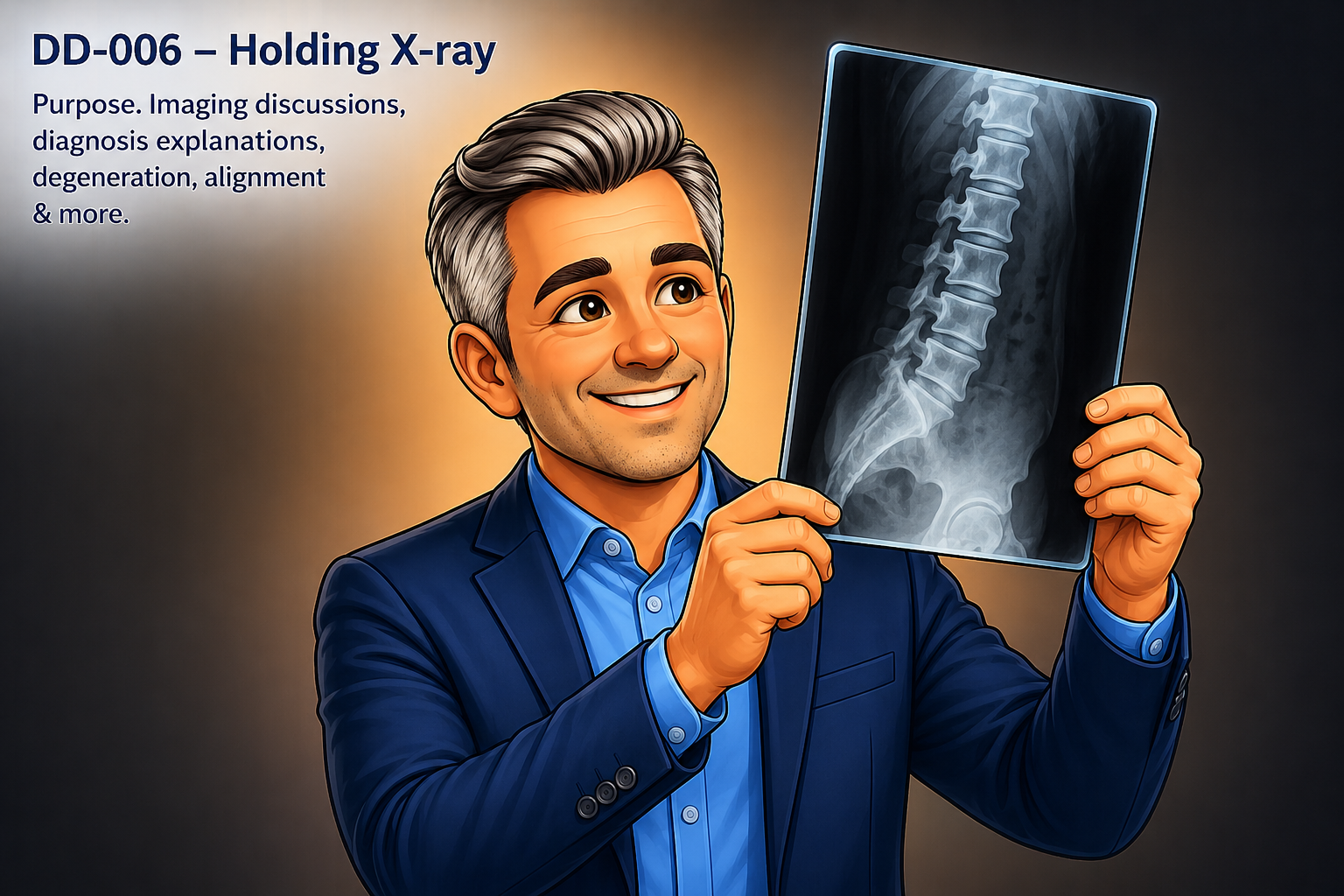
Arthritic changes are extremely common as we age. Interestingly, many people with significant arthritis have very little pain, while others with mild arthritis experience substantial symptoms.
This is one reason why X-rays tell only part of the story.
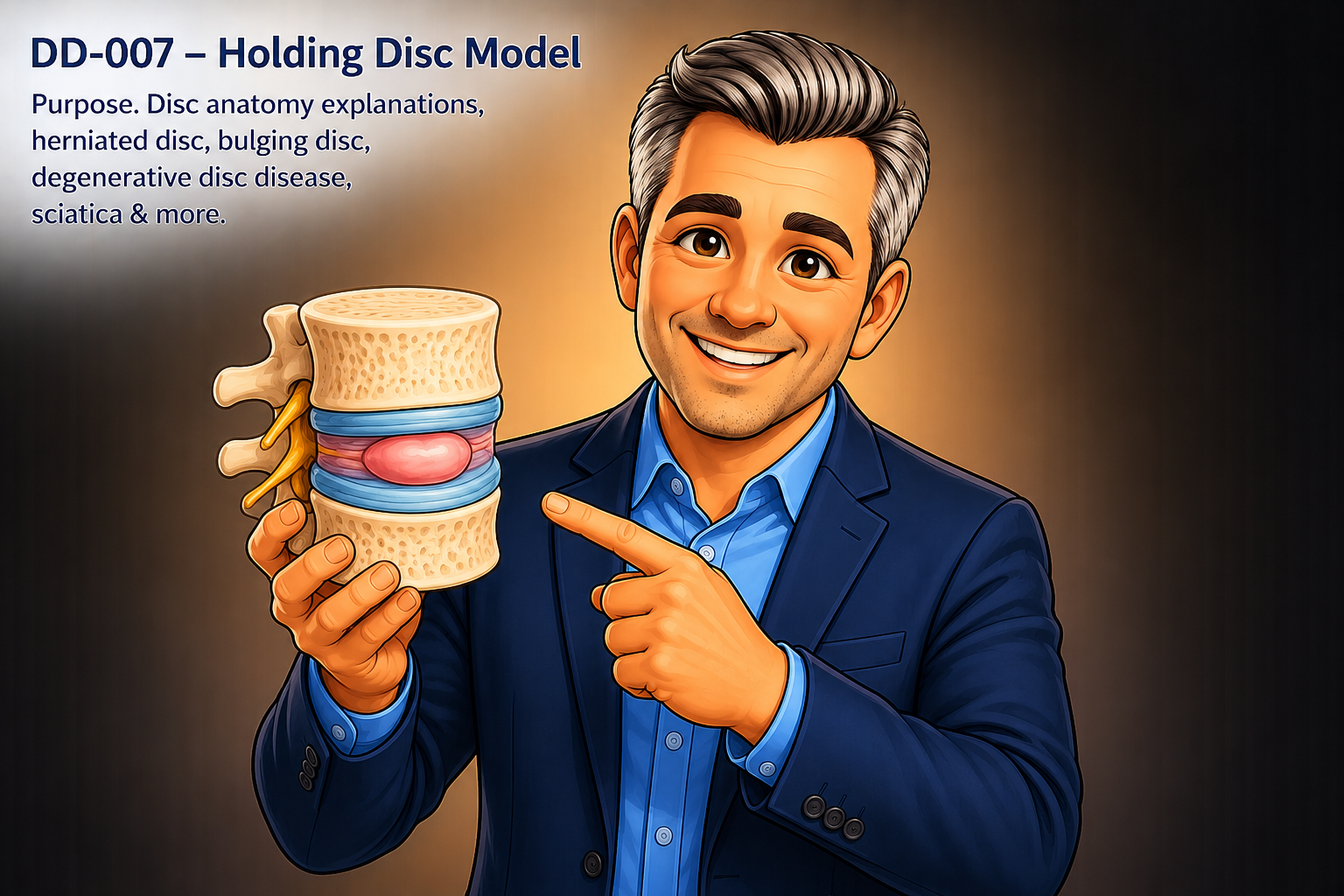
Degenerative Disc Disease
Spinal discs naturally change throughout life. These changes do not automatically mean you need surgery, nor do they necessarily explain all of your symptoms. Understanding how your discs relate to your examination findings is much more important than focusing on imaging alone.
Disc Bulges and Herniations
Many patients are told they have a “slipped disc.”
In reality, discs don’t actually slip.
More commonly, the disc develops a bulge or herniation that may irritate nearby nerves or create inflammation within the spine.
Understanding the difference is important because many disc injuries respond well to conservative treatment.
Nerve Irritation
When nerves become compressed or inflamed, symptoms may travel well beyond the back itself.
Patients frequently experience:
- Pain into the buttock
- Pain down the leg
- Numbness
- Tingling
- Burning sensations
- Weakness
- Changes in sensation
The location of these symptoms often provides valuable clues about which nerve may be involved.
Why Does Low Back Pain Sometimes Seem to Come Out of Nowhere?
One of the biggest misconceptions about back pain is that whatever you were doing when it started must have caused the problem.
Sometimes that’s true.
Often it isn’t.
We commonly see patients who say:
“All I did was bend over to tie my shoe.”
Or…
“I reached into the dishwasher.”
Or…
“I sneezed.”
Those activities usually aren’t powerful enough to create a serious injury by themselves.
Instead, they often become the final straw after weeks, months, or years of accumulated stress that has gradually exceeded the body’s ability to compensate.
Think of it like bending a paperclip.
One bend doesn’t break it.
Neither do two.
But eventually one final bend causes it to snap.
The last bend wasn’t necessarily the biggest problem.
It was simply the point where the accumulated stress finally became too much
What Symptoms Can Low Back Pain Cause?
Not every patient experiences low back pain the same way. Understanding your symptoms can provide valuable clues, but symptoms alone rarely identify the exact cause.
Common symptoms include:
- A dull ache across the lower back
- Sharp pain with certain movements
- Muscle tightness or spasms
- Difficulty standing upright after sitting
- Pain when bending forward or backward
- Pain that travels into the buttock
- Pain radiating down one or both legs
- Numbness or tingling
- Burning sensations
- Weakness in the legs or feet
- Difficulty walking long distances
- Morning stiffness that gradually improves with movement
Some patients notice pain only after activity, while others hurt most after prolonged sitting. Others wake up stiff every morning but loosen as they begin moving. These patterns often provide important information during an examination.
Why Accurate Diagnosis Matters
Because so many different structures can create similar symptoms, successful treatment begins with identifying the most likely pain generator rather than simply treating wherever it hurts.
At Doyle Chiropractic, every examination is designed to answer several important questions:
- Which tissues are involved?
- Is the problem primarily muscular, joint-related, neurological, disc-related, or a combination?
- Is inflammation a significant contributor?
- Are there signs of nerve involvement?
- Are imaging studies appropriate?
- Are there any warning signs requiring referral?
Our goal is not simply to give a diagnosis.
Our goal is to explain why we believe that diagnosis fits your examination and what conservative treatment options may help restore normal function.
Treatment Options for Low Back Pain
No single treatment is the right answer for every patient.
That is one of the reasons we have invested in multiple conservative treatment options instead of relying on only one approach.
Depending on your examination findings, treatment recommendations may include:
Chiropractic Adjustments
Chiropractic adjustments remain the cornerstone of care in our office.
Healthy joints are designed to move. When joints lose normal motion, surrounding muscles often tighten, nearby joints compensate, and abnormal stresses develop throughout the body.
An adjustment is designed to help restore normal joint motion so the body can function more efficiently.
Dr. Doyle performs adjustments throughout the entire body—not only the spine. Depending on the condition, this may include the neck, mid-back, low back, ribs, pelvis, shoulders, elbows, wrists, hands, hips, knees, ankles, and feet.
Class IV Laser Therapy
One of the most exciting advances in conservative care has been Class IV laser therapy.
Rather than simply masking pain, laser therapy is designed to support the body’s natural healing processes by delivering light energy deep into injured tissues.
Depending on the condition, laser therapy may help:
- Reduce inflammation
- Improve circulation
- Support tissue repair
- Reduce pain
- Improve nerve function
- Accelerate healing
Laser therapy is frequently recommended for arthritis, tendon injuries, ligament injuries, muscle strains, nerve irritation, and many chronic conditions.
Spinal Decompression
Many people think an adjustment and decompression accomplish the same thing.
They don’t.
An adjustment restores motion.
Decompression creates gentle distraction between spinal segments.
For appropriate patients with disc injuries, degenerative disc disease, certain types of sciatica, or chronic compression-related conditions, spinal decompression may become an important part of treatment.
Cupping Therapy
Cupping is often recommended when muscles, fascia, tendons, or ligaments have become restricted.
It may help improve soft tissue mobility while reducing muscular tension and improving movement.
Therapeutic Exercise
Treatment doesn’t end when you leave the office.
Specific exercises are often recommended to improve flexibility, strengthen supporting muscles, improve stability, and reduce the likelihood of future flare-ups.
The Dr. Doyle Perspective
“After treating more than 20,000 patients throughout my career, one thing I’ve learned is that people are often far more hopeful once they understand what’s actually happening. Fear usually comes from uncertainty. When patients understand their diagnosis, their treatment options, and what recovery realistically looks like, they can make much better decisions about their health. My job isn’t simply to reduce pain. My job is to help you understand your body well enough to make informed decisions that improve your long-term quality of life.”
— Dr. Geoffrey Doyle, DC
What Your Doctor May Have Meant
Many patients arrive saying things like:
- “My doctor said I’m bone-on-bone.”
- “They told me nothing can be done.”
- “They said I’ll eventually need surgery.”
Those conversations can be discouraging.
Often, what your physician is communicating is that they don’t currently believe surgery is appropriate—or that your condition isn’t likely to improve with the treatments they personally provide.
That does not necessarily mean every conservative treatment option has been exhausted.
Different healthcare professionals have different areas of expertise.
An orthopedic surgeon specializes in surgery.
A pain management physician specializes in pain management procedures.
A physical therapist specializes in rehabilitation.
At Doyle Chiropractic, our focus is conservative neuromusculoskeletal care. That means evaluating how joints, muscles, nerves, discs, ligaments, tendons, and movement patterns work together and determining whether non-surgical treatment may still provide meaningful improvement.
Whenever appropriate, we also recognize when a patient should be referred for additional medical evaluation. Conservative care and medical care are not competitors—they are often complementary parts of helping patients receive the right treatment at the right time.
What Your Doctor May Have Meant
Can chiropractic help low back pain?
Many patients with mechanical low back pain respond well to conservative chiropractic care, particularly when treatment is based on a thorough examination and individualized plan.
Will I need an MRI?
Not necessarily. Many patients improve without advanced imaging. When imaging is appropriate, we’ll explain why.
Should I stop exercising?
Usually not. In many cases, modifying activity is better than complete rest. Recommendations depend on your diagnosis.
Can arthritis improve?
While arthritis itself cannot currently be reversed, many people experience significant improvements in pain, movement, and function through appropriate conservative treatment.