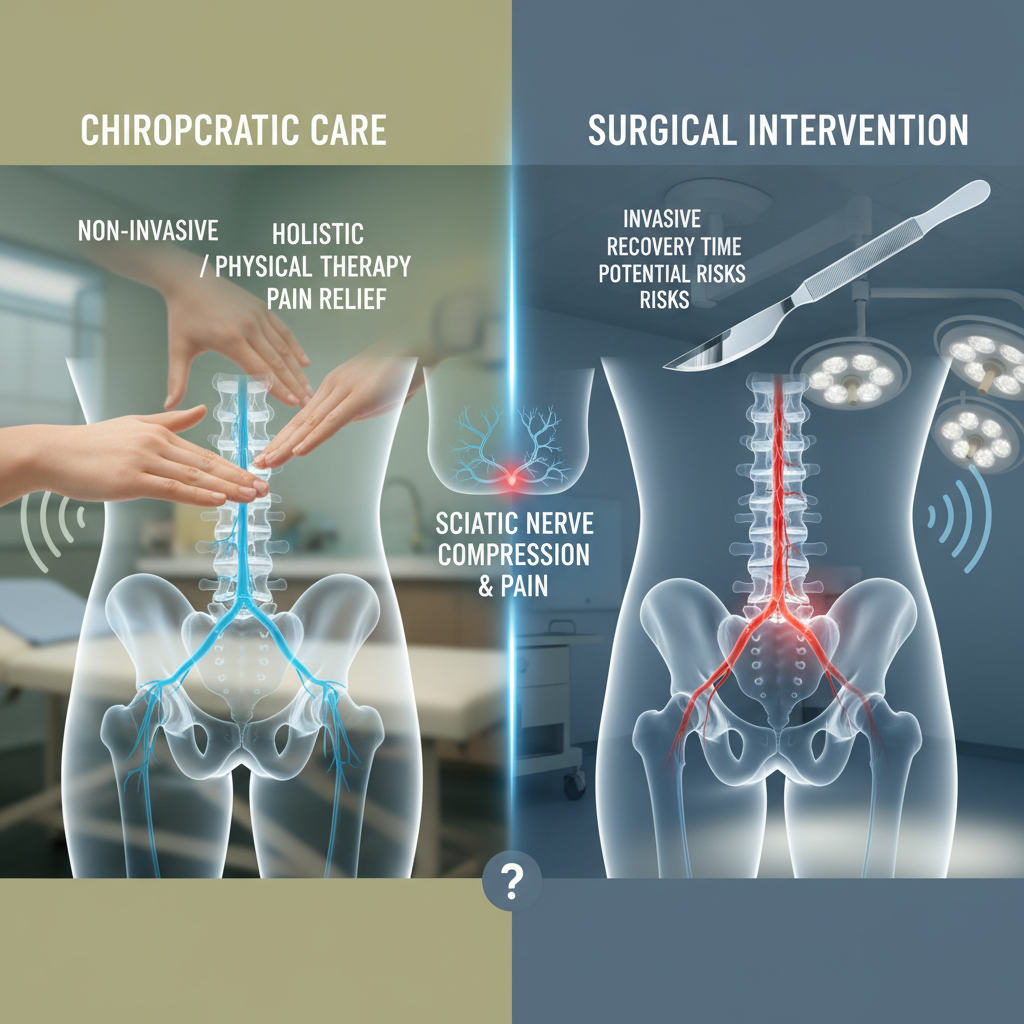
You’ve tried rest, medication and basic stretches, yet your back pain keeps coming back. A thorough chiropractic evaluation for back pain can uncover hidden dysfunctions and pinpoint the root causes behind persistent or recurring discomfort. By understanding what goes into that first in-depth assessment, you’ll know exactly what to expect—and whether chiropractic care offers the non-surgical relief you need.
Chiropractic evaluation for back pain combines hands-on assessments, targeted tests and sometimes imaging to create a personalized care plan. It’s not just about quick pain relief; it’s about restoring proper spinal alignment, improving nerve function and preventing future flare-ups. If you’re weighing long-term solutions, this guide will walk you through each step of the evaluation process so you can decide with confidence.
Understanding chronic back pain
Chronic back pain often begins as an acute injury or flare-up that never fully resolves. Small misalignments—or subluxations—can alter how your spine moves, placing extra stress on muscles, ligaments and nerves. Over time, those compensations become chronic, feeding a cycle of inflammation and tightness.
Because the spine houses and protects your nervous system, even subtle shifts can disrupt nerve signaling. That may show up as persistent soreness, tingling into your legs or difficulty bending and twisting. You might feel temporary relief from medication or rest, only to have pain return as soon as you increase activity.
Left uncorrected, these issues can lead to degenerative changes, disc wear and postural distortions. If you’ve noticed stiffness first thing in the morning, pain that worsens after sitting or a constant ache between your shoulder blades, you’re experiencing classic signs of spinal dysfunction. When back pain becomes chronic chiropractic care can address these root causes rather than cover up symptoms.(/when-back-pain-becomes-chronic-chiropractic)
Defining chiropractic evaluation
A chiropractic evaluation for back pain is your roadmap to lasting relief. It begins with a comprehensive review of your medical history, lifestyle and previous treatments. Your chiropractor will ask about your pain patterns, triggers and how your symptoms impact daily life.
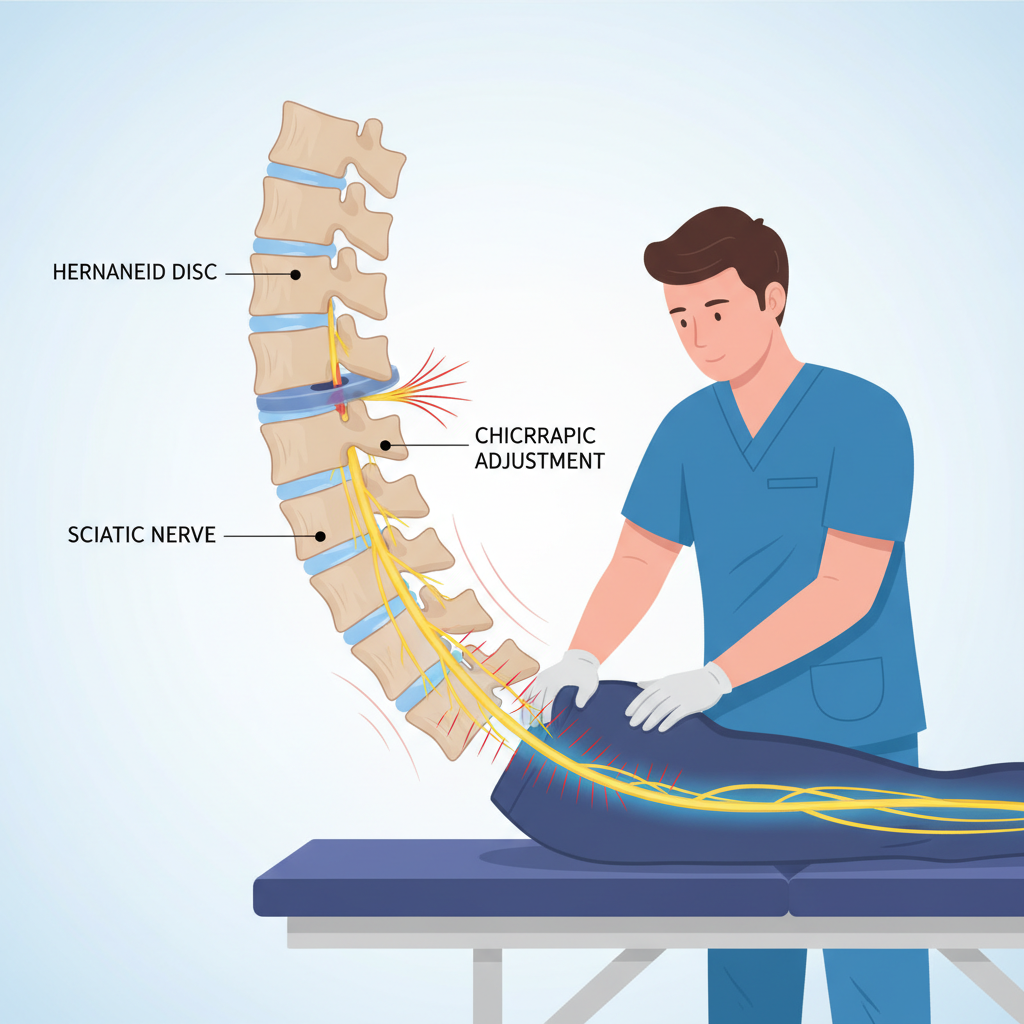
Once they understand your story, the hands-on portion begins. Spinal manipulation and alignment techniques—such as diversified adjustments, the Gonstead method and targeted soft tissue therapy—are often introduced gently, to gauge how your body responds. Chiropractic care enhances nervous system function by properly aligning the spine, which can lead to more efficient nerve signaling and overall improved body function critical for back pain management [1].
Spinal manipulation therapy, involving high-velocity, low-amplitude thrusts to specific segments, is a frontline intervention for non-specific and chronic primary back pain. It affects over 11 percent of the global population and is recognized as an effective conservative option alongside exercise by clinical guidelines [2].
For many adults aged 30 to 65, this evaluation is the first step toward non-surgical relief, improved mobility and long-term functional improvement. If you’re exploring chronic back pain relief without surgery, an initial chiropractic assessment can help you understand your treatment options.(/chronic-back-pain-relief-without-surgery)
Exploring your initial consultation
Your first visit typically lasts 45 to 60 minutes. It starts with questions about your health history: past injuries, surgeries, medications and lifestyle factors like occupation and exercise. Be prepared to describe when your pain started, what makes it better or worse and any related symptoms such as numbness or weakness.
Next, your chiropractor will perform general health checks—blood pressure, pulse and reflexes—to rule out red flags. These tests help ensure that manual adjustments are safe and appropriate. After that, they’ll guide you through a series of movements to see how your spine and joints perform under different conditions.
By the end of this session, you’ll have a clear picture of whether chiropractic care fits your long-term goals. Together, you’ll outline a back pain management plan chiropractor that details the number and type of visits, recommended therapies and realistic milestones for progress.(/back-pain-management-plan-chiropractor)
Analyzing physical examinations
The hands-on exam is where the chiropractor pinpoints specific dysfunctions. You’ll remain fully clothed on a padded table while they:
- assess posture, spinal curvature and muscle tone
- test your range of motion through bending, twisting and side-bending
- perform orthopedic tests like the Straight Leg Raise to check nerve irritation
- conduct neurological exams for reflexes, strength and sensation
- use static and motion palpation to feel joint restrictions and soft tissue tightness
These four to five targeted tests create a detailed map of where your spine isn’t moving properly or where nerve pathways are under strain. Each abnormal finding directly informs your treatment plan.
Using diagnostic imaging
When physical findings suggest structural issues beyond manual assessment, imaging may be ordered. X-rays and MRI scans give a clearer view of bone alignment, disc integrity and soft tissue health.
| Imaging type | What it shows | When it’s used |
|---|---|---|
| X-ray | Bone alignment, joint degeneration, spinal curvature | Suspected fractures, advanced osteoarthritis |
| MRI | Disc herniations, nerve compression, soft tissue tears | Persistent neurological signs, unresponsive pain |
Chiropractors use diagnostic imaging, such as X-rays or MRIs, during the evaluation of back pain to gain a detailed view of the affected areas and help in making an accurate diagnosis [3].
Crafting personalized treatment plans
Once the data is gathered, your chiropractor crafts a plan tailored to your age, activity level and pain patterns. No two treatment plans look exactly alike, because no two spines are the same.
Goal setting and priorities
Your first goals might center on pain reduction and restoring basic mobility. Over time, the focus shifts to strengthening supportive muscles, correcting postural habits and reintroducing activities you’ve avoided. Together you’ll set measurable milestones, like improving forward bending by 30 degrees or reducing pain by half.
Integrating modalities and exercises
In addition to spinal adjustments, your plan may include soft tissue therapies—like myofascial release—heat or ice application, electrical stimulation and rehabilitative exercises. These complementary methods accelerate healing and reinforce spinal stability. For adults with long standing back pain chiropractic care often blends adjustments with targeted core-strengthening and flexibility routines.(/long-standing-back-pain-chiropractic-care)
Reviewing adjustment techniques
Chiropractors select techniques based on your specific findings. Techniques vary in force, speed and focus, so they match the method to your condition and comfort level [4].
Diversified technique
A high-velocity, low-amplitude thrust applied by hand to realign spinal segments. It’s the most common manual adjustment, used in about 70 percent of cases.
Activator method
A small handheld instrument delivers a gentle impulse, ideal for patients sensitive to manual thrusts or those with osteoporosis.
Flexion-distraction technique
A specialized table gently stretches and decompresses spinal discs, relieving pressure from herniations and sciatica.
Thompson drop-table technique
Sections of the table drop slightly as thrusts are applied, aiding a gentler realignment with less patient effort.
Setting treatment frequency
Your initial phase may include two to three visits per week for four to six weeks. As you progress, visits taper to once every one to two weeks, then monthly to maintain alignment. Treatment frequency depends on:
- severity and duration of your pain
- your body’s response to adjustments
- presence of degenerative changes or co-occurring conditions
Non surgical spinal pain treatment chiropractor regimens adapt over time, ensuring you never under- or over-treat your condition.(/non-surgical-spinal-pain-treatment-chiropractor)
Assessing long-term outcomes
Chiropractic care provides rapid pain reduction through hands-on spinal adjustments, soft tissue therapy and therapeutic modalities like heat, ice or electrical stimulation to relieve inflammation and muscle tension [1]. Regular sessions improve mobility, flexibility and posture by relieving muscle tension and correcting spinal misalignments, which contributes to preventing future back injuries and supports overall wellness [1].
Clinical practice guidelines nearly universally recommend spinal manipulative therapy in combination with exercise for neck and back pain, reflecting its comparable effectiveness to standard medical care and physical therapy as of 2021 [2]. Most patients experience decreased pain, improved function and a lower reliance on pain medications.
Minor side effects such as headaches, localized discomfort or tiredness may occur for a day or two after adjustments. Serious complications are rare when treatment is performed by a licensed professional [5].
Moving forward with care
A chiropractic evaluation for back pain is your first step toward a non-surgical, function-focused path to recovery. You’ll walk away with a clear understanding of your spinal health, a personalized roadmap and confidence in each technique used to restore balance. If you’re committed to breaking the cycle of pain, consider exploring a chiropractic approach to chronic pain that centers on long-term wellness, not just temporary fixes.(/chiropractic-approach-to-chronic-pain)