Whether you’re waking up with that familiar ache in your lower back or feeling stiffness shoot up your neck every time you turn, chronic spine pain can shape your day more than you’d like. If you’re exploring chronic spine pain treatment options, chiropractic care offers a non-surgical path to lasting comfort. By addressing the mechanical and neurological factors behind persistent discomfort, a chiropractor can help you move more freely, sleep more soundly, and reclaim activities you’ve had to put on hold.
In this article, you’ll discover why back and neck pain becomes chronic, how a thorough chiropractic evaluation uncovers the root cause, and what a tailored treatment plan looks like. You’ll learn about common adjustment techniques, recommended visit frequency, expected outcomes, and the long-term benefits of choosing chiropractic care over pills or surgery.
Understanding chronic pain
Most episodes of back or neck pain resolve within a few days or weeks, but when pain lingers beyond three months, it’s categorized as chronic. Underlying issues often include joint dysfunction, muscle imbalances, and changes in nerve sensitivity. Over time, these factors can create a feedback loop where pain alters your posture and movement patterns, which in turn increases strain on spinal structures.
Disc degeneration and facet joint wear are common contributors. As discs lose height and hydration, they offer less cushioning between vertebrae, shifting more load to the joints and surrounding muscles. Facet joints can stiffen or become inflamed, triggering spasms in the supporting muscles. On a neurological level, persistent pain can sensitize the spinal cord and brain pathways so that even minor movement feels painful.
When back pain becomes chronic chiropractic care can intervene on multiple fronts. By restoring proper joint motion, reducing muscle tension, and retraining your nervous system, adjustments aim to break the pain-posture-pain cycle. Instead of masking discomfort with pills, your care plan focuses on the structural and functional imbalances that sparked the problem. Over time, you’ll build stability and resilience so that flare-ups become less frequent and less severe.
Evaluation and diagnosis
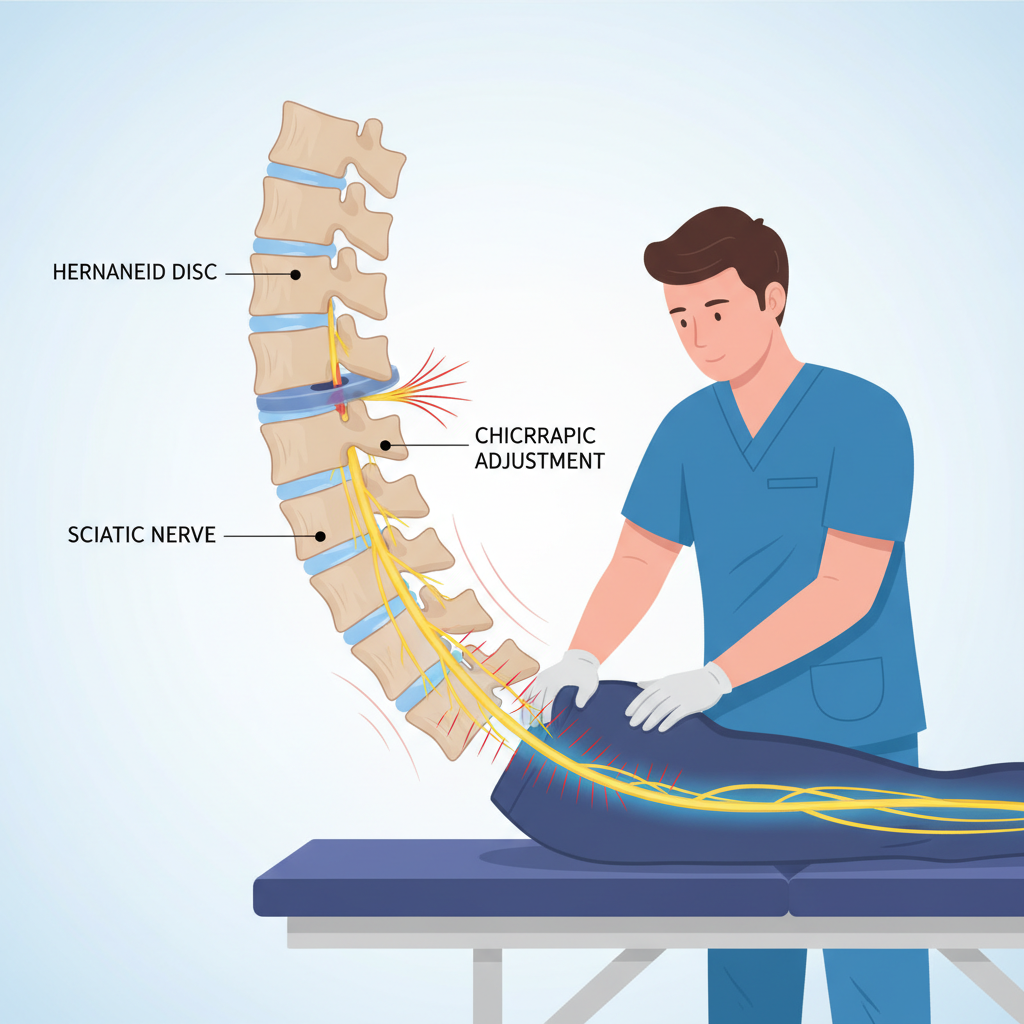
Your path to relief begins with a comprehensive chiropractic evaluation for back pain. A detailed history collects insights on injury events, lifestyle factors, and past treatments. Next, a physical exam assesses posture, spinal range of motion, muscle tone, and joint play. Special orthopedic and neurological tests help pinpoint nerve irritation or disc involvement.
You may be asked to perform simple movements—such as bending forward or twisting—to reveal where motion is restricted or painful. Palpation of your spine and soft tissues highlights tender spots and muscle knots. If needed, x-rays or MRI reviews provide a clearer picture of disc health, joint degeneration, or congenital anomalies.
This diagnostic phase isn’t limited to your spine. A thorough examination considers hips, shoulders, and even feet, since dysfunction in one area often compensates elsewhere. For persistent neck discomfort, a chiropractic care for persistent neck pain specialist will evaluate how your cervical spine aligns and moves. If you’ve struggled with flares that don’t fully resolve, you might explore back pain that keeps coming back chiropractor services to identify hidden triggers.
Armed with this information, your chiropractor crafts a working diagnosis—often called spinal dysfunction or segmental fixation. That label guides every subsequent decision, ensuring your spine related pain chiropractic treatment plan addresses the underlying mechanics rather than just the symptoms.
Planning your treatment
Once your evaluation is complete, it’s time to design your long-standing back pain chiropractic care journey. Most plans unfold in three phases: relief, corrective, and maintenance. Each phase has specific goals, visit frequencies, and expected timelines.
| Phase | Goal | Duration |
|---|---|---|
| Relief | Reduce pain and inflammation | 2–6 weeks |
| Corrective | Restore joint motion and strength | 6–16 weeks |
| Maintenance | Prevent recurrence and optimize health | Ongoing, tapering visits |
During the relief phase, you’ll typically see your chiropractor two to three times per week. Adjustments focus on decompression of irritated nerves, breaking muscle spasm, and easing inflammation. As pain subsides, the corrective phase shifts to mobilization techniques, soft tissue work, and targeted exercises to rebuild stability. Visit frequency usually tapers to once a week or every other week.
In the maintenance phase—sometimes called wellness or supportive care—you’ll come in about once a month or as needed. At this point, routine adjustments and home exercise reviews keep your spine moving smoothly and catch new restrictions before they trigger pain.
Your treatment plan may incorporate additional services such as electrical stimulation, ultrasound, or cold laser therapy. If you’re evaluating non surgical spinal pain treatment chiropractor options, ask how each modality supports your goals and review any contraindications with your provider.
Chiropractic treatment techniques
Chiropractors use a variety of hands-on and instrument-assisted methods to address chronic back and neck pain. Your personalized plan might include:
- Spinal manipulation, a high-velocity, low-amplitude thrust to restore joint motion
- Mobilization, gentle movements aimed at increasing flexibility in stiff segments
- Soft tissue therapy, such as myofascial release or instrument-assisted scraping to relax tight muscles
- Therapeutic exercises for core strength, balance, and posture correction
- Adjunct modalities like electrical stimulation, ultrasound, or cold laser to reduce inflammation
Each technique plays a specific role in your journey. Manipulation often provides immediate relief by improving joint kinematics. Mobilization is ideal for older adults or those who prefer slower, controlled motion. Soft tissue work targets areas of chronic tension that contribute to misalignment, and exercises reinforce the changes made during your office visits.
If you’re curious how chiropractors treat chronic back pain, you can learn more about how chiropractors treat chronic back pain to see detailed walkthroughs of each method. For neck-focused plans, a neck-pain-chiropractor-treatment-plan often emphasizes gentle traction techniques and stability drills to protect vulnerable cervical structures.
Frequency and expected outcomes
A common question is, “How often will I need to come in, and when will I feel better?” While every case is unique, most adults experience noticeable improvements within four to six weeks of consistent care. You’ll likely start with two to three visits per week, tapering to weekly sessions during the corrective phase and monthly check-ins once you reach maintenance.
Early on, that schedule may feel intensive, but consider it an investment in breaking the pain cycle. If you’ve tried rest and painkillers without lasting success, a purposeful approach helps correct posture, muscle activation, and joint mechanics in a structured way. Many patients report reduced reliance on over-the-counter medicines such as acetaminophen [1] and ibuprofen [1], opting instead for natural joint motion regained through adjustments.
By the three-month mark, you’ll often see 50–80% reduction in pain intensity and significant gains in flexibility. Long-standing back pain chiropractic care has been shown to improve function and quality of life for adults up to age 65, enabling activities like gardening, golfing, and lifting grandchildren with less worry. If you’re evaluating chiropractor for long term back pain, ask about outcome measures like the Oswestry Disability Index or Neck Disability Index to track your progress quantitatively.
Safety and long-term benefits
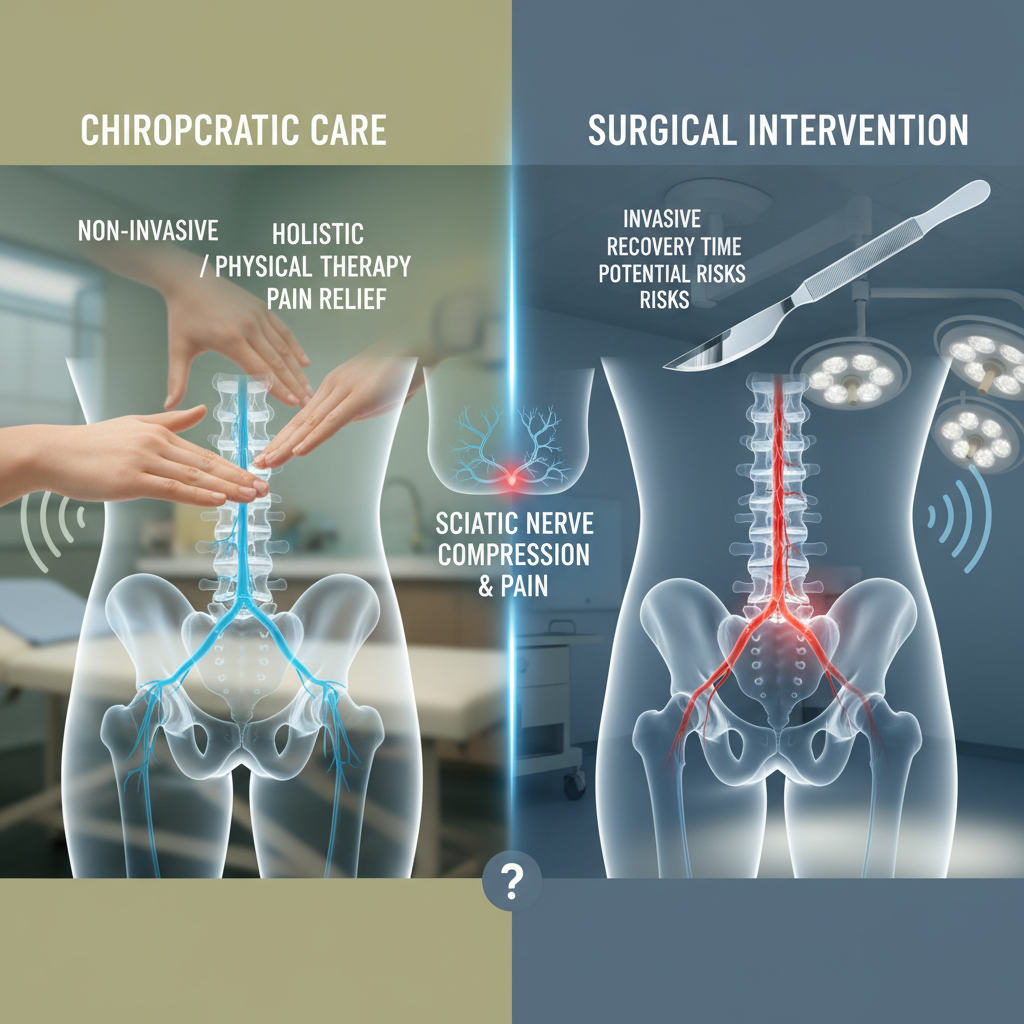
Compared to surgical interventions or chronic medication use, chiropractic adjustments carry a low risk profile. Side effects are usually limited to mild soreness or fatigue in the first 24 hours after treatment. That stands in stark contrast to potential complications from nonsteroidal anti-inflammatory drugs, which can include stomach ulcers, bleeding, and kidney damage [2].
By addressing the root mechanical issues in your spine, chiropractic care delivers functional improvements that outlast temporary relief. You’ll build a stronger core, better posture, and more balanced movement patterns—key factors in preventing flare-ups. For chronic neck stiffness, a chronic-neck-stiffness-chiropractic-treatment approach gently realigns cervical segments while stretching tight muscles that contribute to headaches.
If you’re hesitant about long-term treatment, remember that most surgical procedures carry recovery risks and may require future interventions. Non-surgical solutions like chiropractic care offer gradual improvement without the need for anesthesia, incisions, or extended downtime. Your maintenance visits become tune-ups that sustain progress, rather than emergency fixes when pain peaks.
Tips for lasting relief
Integrating chiropractic care with smart lifestyle habits ensures your spine stays supported between visits. Consider these strategies as part of your self-management toolkit:
- Adopt an ergonomic workspace setup to keep your head, neck, and back in neutral alignment
- Perform daily stretching and strengthening exercises prescribed by your chiropractor
- Take short movement breaks every 30 to 60 minutes if you sit for long periods
- Maintain a healthy weight and balanced diet to reduce stress on spinal joints
- Practice stress-relief techniques such as deep breathing or gentle yoga to ease muscle tension
- Use supportive footwear and avoid high heels or unsupportive flats when you walk
Sustaining these habits alongside your care plan aligns with a chiropractic approach to chronic pain that emphasizes active participation. If you’re also comparing options like physical therapy, check out chiropractic care vs physical therapy back pain to see how these disciplines complement each other. For stubborn neck discomfort, explore natural-treatment-for-chronic-neck-pain to round out your routine.
By combining adjustments, exercises, and healthy habits, you’ll reinforce the gains made during office visits. Over time, routine maintenance visits shift from symptom relief to performance optimization, keeping you free of flare-ups and focused on the activities you love. Take the first step today by scheduling a consultation and discovering a holistic path to lasting spinal health.