
Low Back Pain Is Extremely Common
If you’re experiencing low back pain, you’re certainly not alone.
In fact, low back pain is one of the most common reasons people visit a healthcare provider and one of the leading causes of disability worldwide.
Almost everyone experiences back pain at some point in life.
The good news is that most cases improve without surgery, especially when the underlying cause is properly identified and treated.
One of the biggest mistakes people make is assuming that all low back pain is the same.
It isn’t.
Back pain is a symptom—not a diagnosis.
Finding the reason your back hurts is the first step toward choosing the most appropriate treatment.
What Causes Low Back Pain?
The lower back is an incredibly complex part of the body.
It contains:
- Vertebrae
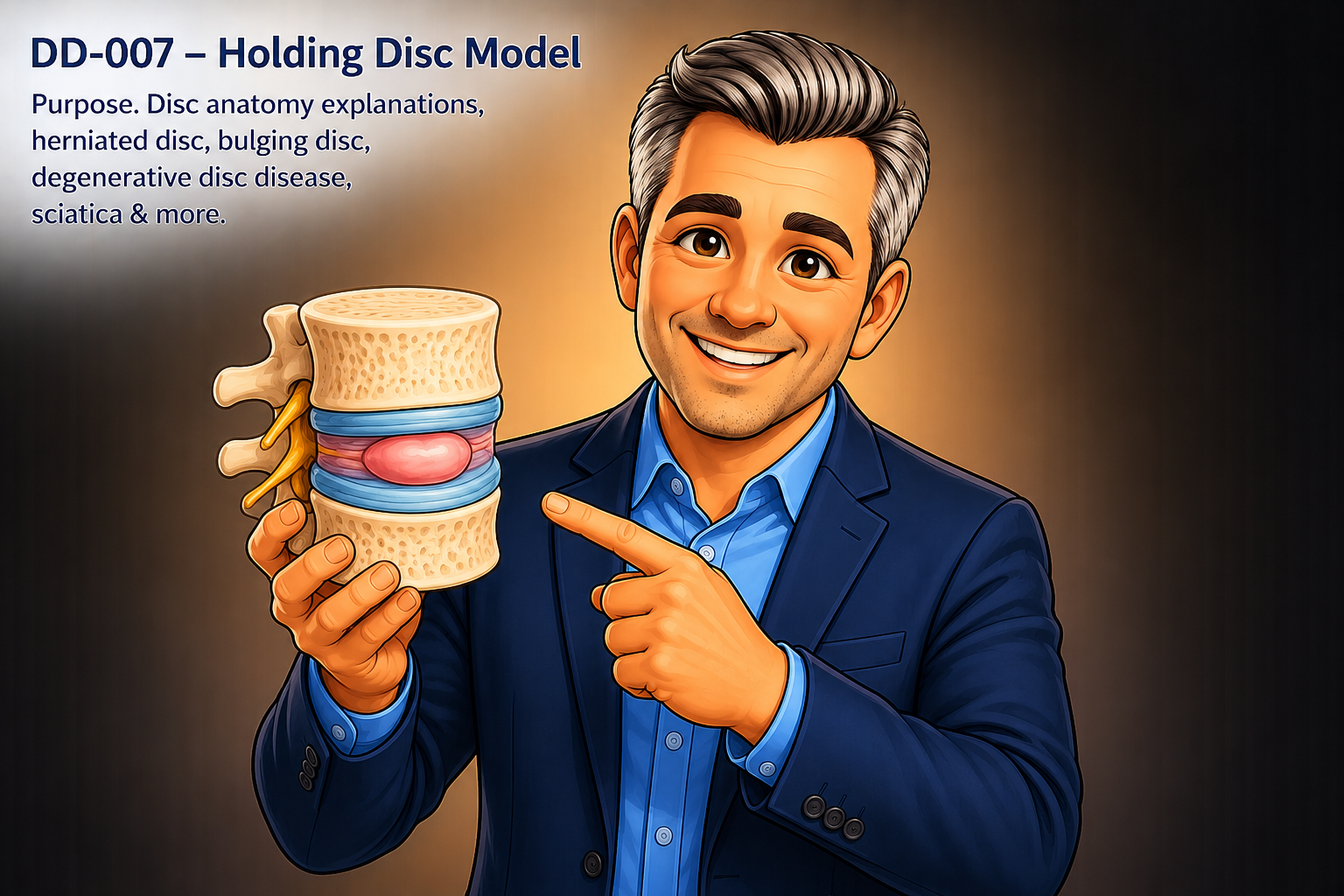
- Intervertebral discs
- Facet joints
- Ligaments
- Muscles
- Tendons
- Fascia
- Nerves
- Blood vessels
Pain can originate from one structure—or several at the same time.
Some of the most common causes include:
- Muscle strain
- Ligament sprain
- Joint dysfunction
- Arthritis
- Degenerative disc disease
- Herniated discs
- Bulging discs
- Sciatica
- Spinal stenosis
- Poor posture
- Sports injuries
- Motor vehicle accidents
- Repetitive lifting
- Deconditioning
This is why a thorough examination is so important.
The treatment for a muscle strain is often very different from the treatment for a herniated disc or spinal stenosis.
Pain Doesn’t Always Mean Damage
One of the most important concepts we teach patients is that pain intensity does not always reflect the amount of tissue damage.
For example:
Someone may “throw their back out” while bending over to tie a shoe.
The pain may be severe enough that they struggle to stand upright.
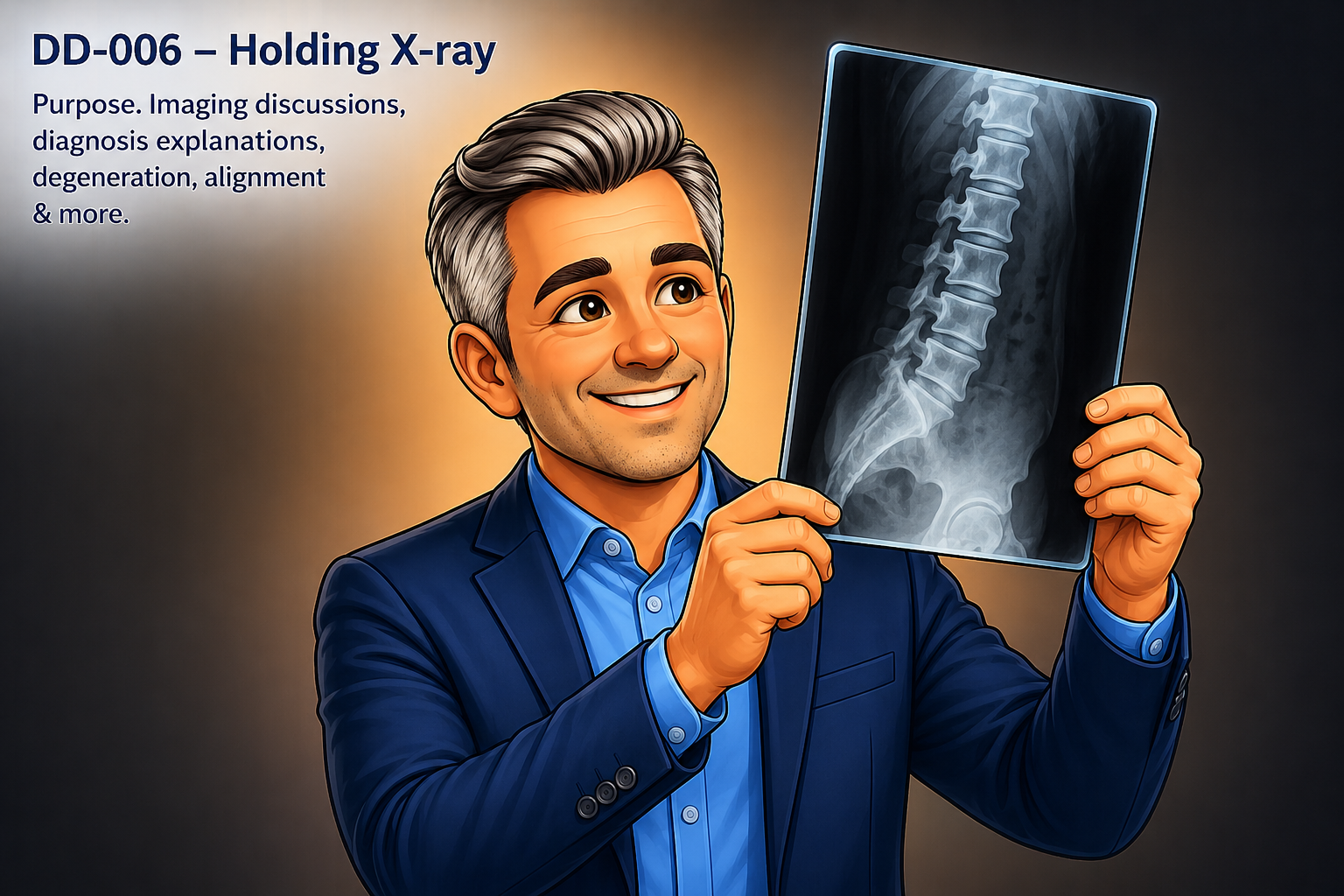
Yet imaging may show no serious structural injury.
Conversely, another person may have significant arthritis or degenerative disc disease visible on an MRI and experience very little discomfort.
Pain is influenced by many factors, including:
- Inflammation
- Muscle spasm
- Joint restriction
- Nerve irritation
- Stress
- Sleep quality
- Previous injuries
- Overall health
Our goal is to understand which of these factors are contributing to your symptoms.
Why Does My Back Keep Going Out?
This is one of the most common questions we hear.
Many patients say:
“My back goes out every few months.”
In many cases, the painful episode is not the beginning of the problem.
It’s simply the point where your body could no longer compensate.
Over time, small movement restrictions, muscle imbalances, reduced flexibility, poor posture, repetitive stress, and previous injuries may gradually build.
Eventually, one simple movement—lifting a grocery bag, sneezing, reaching into the back seat, or tying a shoe—becomes the event that finally exceeds the body’s ability to compensate.
The injury feels sudden.
The underlying process often wasn’t.
Common Symptoms of Low Back Pain
Although every patient is different, common symptoms include:
- Aching in the lower back
- Sharp pain with certain movements
- Muscle tightness
- Difficulty standing upright
- Pain after prolonged sitting
- Morning stiffness
- Difficulty bending
- Pain when lifting
- Pain after driving
- Reduced flexibility
If nerves become involved, symptoms may also include:
- Pain traveling into the buttock
- Pain down the leg
- Tingling
- Numbness
- Weakness
- Sciatica
These symptoms often suggest that additional structures beyond the muscles may be involved.
Why Rest Isn’t Always the Answer
Years ago, patients with back pain were often told to stay in bed.
Today, we know that’s usually not the best approach.
Although a short period of activity modification may be appropriate after an acute injury, prolonged inactivity frequently causes:
- Increased stiffness
- Muscle weakness
- Reduced flexibility
- Slower recovery
The challenge is finding the right amount of movement without aggravating the injured tissues.
That is one reason individualized treatment plans are so important.
Our goal is to help patients move better, not simply move less.
How Doyle Chiropractic Treats Low Back Pain
Every patient with low back pain is different.
Some patients have a simple muscle strain.
Others have arthritis.
Some have a herniated disc.
Others have nerve irritation, spinal stenosis, or multiple conditions occurring at the same time.
That is why treatment at Doyle Chiropractic always begins with a comprehensive examination.
Rather than simply asking, “Where does it hurt?”, Dr. Geoffrey Doyle works to answer a much more important question:
“Why does it hurt?”
Once the underlying cause has been identified, we develop an individualized treatment plan based on your diagnosis, goals, lifestyle, and overall health.
Depending on your condition, treatment may include one or more conservative therapies.
Chiropractic Adjustments
Healthy joints are designed to move.
When spinal joints lose normal motion, surrounding muscles, ligaments, and discs often compensate.
Chiropractic adjustments are designed to restore healthy movement to restricted joints, helping improve spinal mechanics while reducing unnecessary stress throughout the lower back.
Many patients notice improvements in stiffness, mobility, and overall function as normal movement returns.
Class IV Laser Therapy
Inflammation is a common contributor to low back pain.
Class IV laser therapy helps support the body’s natural healing response by delivering therapeutic light energy into injured tissues.
Many patients receiving laser therapy report improvements in comfort while the surrounding muscles, ligaments, joints, and connective tissues recover.
Spinal Decompression
For patients with conditions such as herniated discs, bulging discs, degenerative disc disease, or certain cases of sciatica, spinal decompression may become an important part of treatment.
Computerized spinal decompression gently reduces pressure within the spine, creating an environment that may reduce nerve irritation while supporting healthier disc function.
Not every patient requires decompression, but for appropriately selected individuals it can be an excellent conservative treatment option.
Soft Tissue Therapy
Muscles surrounding an injured lower back frequently tighten in an attempt to protect the spine.
Manual therapy, stretching, and other soft tissue treatments may help reduce muscle guarding while improving flexibility and movement.
Therapeutic Exercise
As pain improves, restoring strength and stability becomes increasingly important.
Individualized rehabilitation programs help improve:
- Core strength
- Flexibility
- Balance
- Endurance
- Posture
- Functional movement
Long-term success often depends upon helping the body move more efficiently after symptoms improve.
The Dr. Doyle Perspective
“One of the things I enjoy most about treating low back pain is helping patients understand that pain isn’t always a sign their body is failing them. More often, it’s their body’s way of asking for attention. After treating more than 20,000 patients, I’ve learned that when we identify the true source of the problem and address it early, many people recover much faster than they expected. My goal isn’t just to get someone out of pain—it’s to help them understand why it happened so they have the best chance of preventing it from happening again.”
— Dr. Geoffrey Doyle, DC
Our Clinical Experience
Based on our internal observations at Doyle Chiropractic:
- Chiropractic adjustments alone have produced approximately a 92% clinical success rate for many common causes of mechanical low back pain when patients report at least a 50% improvement.
- When Class IV laser therapy is incorporated into treatment, our observed success rate increases to approximately 94%.
- For appropriately selected patients receiving chiropractic adjustments, Class IV laser therapy, spinal decompression, and supportive rehabilitation, our observed success rate has approached 97%.
These represent internal clinical observations from Doyle Chiropractic and should not be interpreted as guarantees or published scientific outcome data. Every patient’s diagnosis, severity, health status, and response to treatment are unique.
When Should You Seek Immediate Medical Attention?
Although most episodes of low back pain respond well to conservative care, certain symptoms require immediate medical evaluation.
Seek emergency medical attention if you experience:
- Loss of bowel or bladder control
- Progressive leg weakness
- Numbness in the groin or saddle region
- Severe trauma followed by significant back pain
- Fever, unexplained weight loss, or severe nighttime pain associated with back pain
- Rapidly worsening neurological symptoms
These may indicate more serious medical conditions requiring urgent evaluation.
Frequently Asked Questions
Should I use ice or heat?
It depends on the injury. Some conditions respond better to ice, while others benefit from heat. During your examination, we’ll explain which option is most appropriate for your specific condition.
Is walking good for low back pain?
For many patients, yes. Gentle walking often helps maintain mobility and reduce stiffness. However, recommendations should always be individualized based on the underlying diagnosis.
Can chiropractic help arthritis in the lower back?
Although chiropractic cannot remove arthritis, improving joint mobility and surrounding muscle function often helps patients experience less pain and better movement.
Will I need an MRI?
Not always. Many cases of low back pain can be diagnosed through a thorough history and physical examination. Advanced imaging is recommended when clinically appropriate based on your symptoms and examination findings.