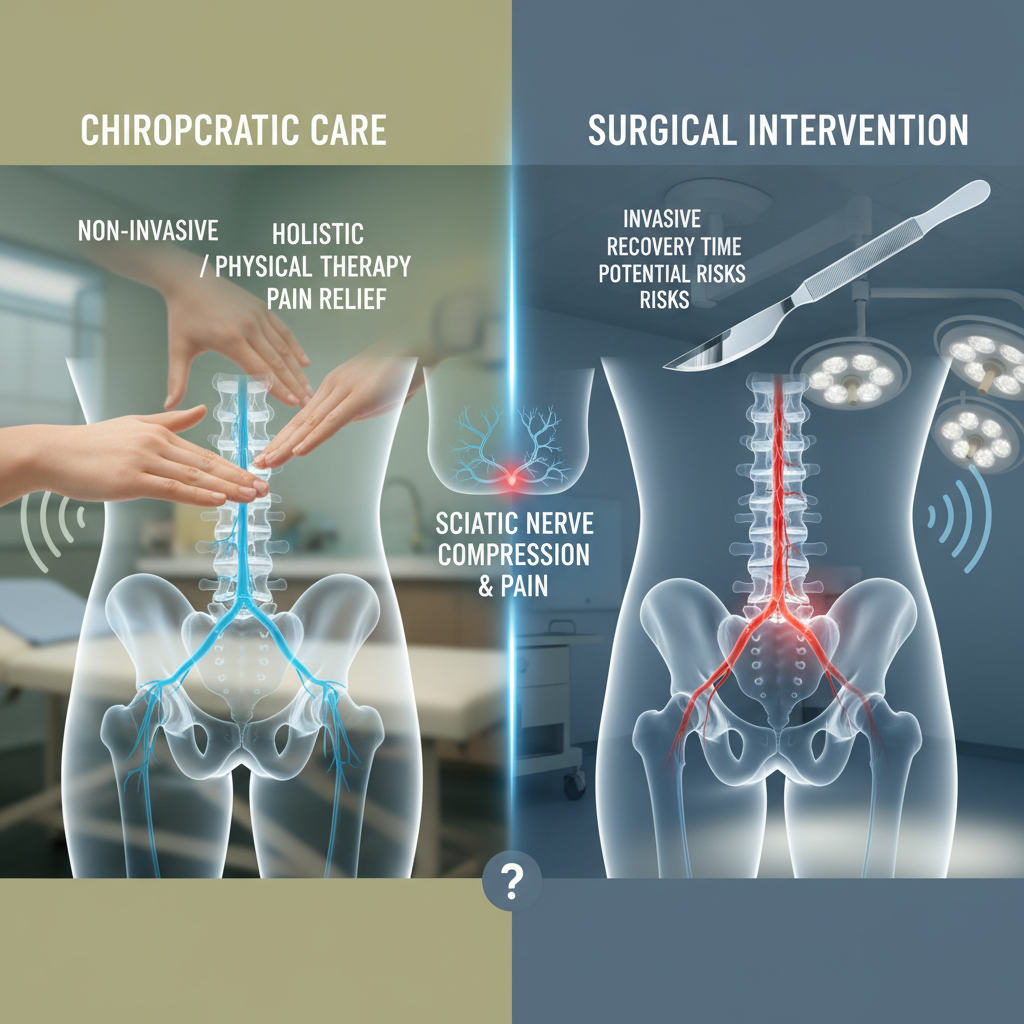
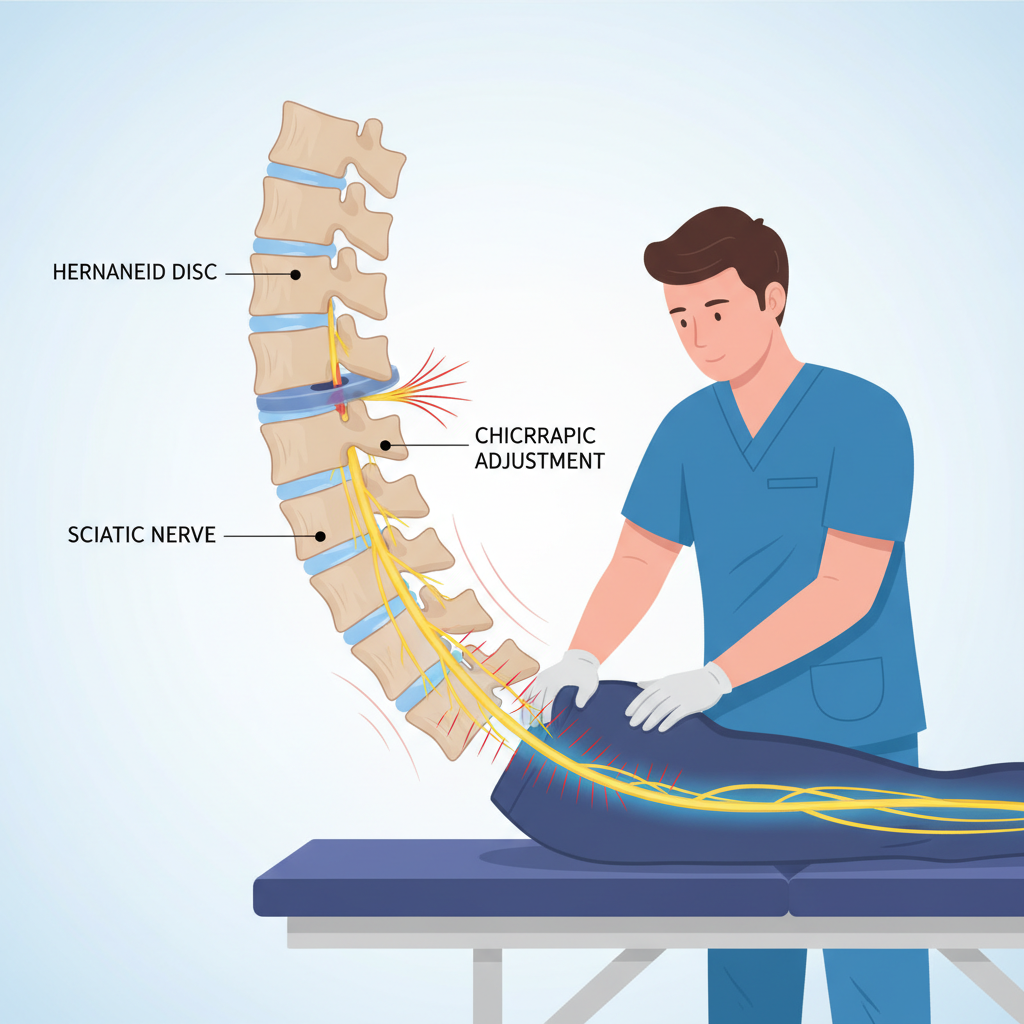
When you’ve tried rest, medication, or basic care without lasting relief, neck and back pain chiropractor care can offer a non-surgical path to long-term improvement. By focusing on spinal alignment, muscle balance, and joint function, chiropractic treatment addresses the root causes of chronic discomfort rather than merely masking symptoms. In this article, you’ll learn how a thorough evaluation, a tailored treatment plan, targeted techniques, and consistent follow-up work together to restore your mobility and ease pain over the long haul.
Understanding chronic spine pain
Chronic back or neck pain doesn’t simply persist by chance—it usually evolves from a combination of mechanical dysfunction, muscular imbalance, and ongoing inflammation. What begins as a strained muscle or a misaligned vertebra can trigger compensatory patterns throughout your spine. Over weeks or months, those compensations cement into chronic dysfunction, leaving you stuck in a cycle of pain and limited motion.
Poor posture at work or behind the wheel, repetitive lifting, and even subtle gait changes can place uneven stress on your spinal joints. As those joints stiffen, nearby muscles may tighten to protect fragile tissues, only to become painful in their own right. Without proper intervention, this self-perpetuating pattern can lead to nerve irritation or degenerative changes, turning a temporary ache into a persistent condition.
Low back pain, neck pain, and headaches are the most common reasons people seek chiropractic adjustments, according to the Mayo Clinic as of 2024. [1] When you understand how mechanical and structural factors contribute to your discomfort, you can see why a targeted approach like chiropractic care often makes the difference.
Conducting thorough assessment
Before any hands-on care begins, your chiropractor conducts a detailed evaluation that goes far beyond asking, “Where does it hurt?” You’ll discuss your medical history, lifestyle habits, and previous treatments. This dialogue helps uncover patterns such as poor workstation ergonomics or recurring stressors that may feed into your pain cycle.
Next comes a physical examination, combining orthopedic tests with a functional analysis of your posture, gait, and range of motion. Your practitioner may observe how you sit, stand, and bend, noting asymmetries or compensations that reveal joint restrictions. Palpation of spinal segments checks for areas of stiffness or tenderness which often correspond to “subluxations,” or minor misalignments.
In many cases, imaging like X-rays or MRI scans complements the hands-on assessment, confirming suspicions of disc degeneration, facet joint changes, or nerve impingement. With a comprehensive picture in hand, your chiropractor can move forward confidently, knowing exactly where pinpoints of dysfunction lie. If you’re looking for a focused diagnostic approach, see our guide on chiropractic evaluation for back pain.
Designing personalized treatment plan
Once your unique pain drivers are identified, the next step is a treatment plan tailored to your condition and lifestyle. Rather than a one-size-fits-all protocol, your chiropractor will select techniques, exercise prescriptions, and self-care advice that match your goals. If you work at a desk, for example, your plan might emphasize postural adjustments and stretching breaks, while an athlete’s protocol may include proprioceptive drills and sport-specific strengthening.
An effective plan typically blends hands-on chiropractic manipulation with complementary therapies like soft tissue work and rehabilitative exercise. You’ll get a clear schedule of visits—more frequent sessions to gain control during the acute phase, tapering to maintenance visits once your spine and muscles regain balance. In addition, your chiropractor may coach you on ergonomics or home routines to reinforce the in-office care.
Setting measurable goals is key. Whether you aim to reduce your pain by 50 percent in six weeks or reclaim full range of motion in your neck, defining milestones keeps both you and your practitioner aligned. You can also explore our neck pain chiropractor treatment plan for a deeper look at customizing care for cervical issues, or learn more about structuring your back pain management plan chiropractor.
Applying chiropractic techniques
Chiropractors draw on a variety of non-surgical, drug-free interventions to restore proper spinal mechanics and relieve nerve pressure. You may experience some or all of the following hands-on methods during your course of care:
- Diversified technique: A high-velocity, low-amplitude thrust applied to specific spinal segments, aiming to improve alignment and range of motion in the neck and back.
- Flexion distraction: A gentle, rhythmic stretching of the lumbar spine performed on a specialized table, ideal for disc-related injuries and sensitive clients.
- Spinal decompression therapy: Mechanical or manual traction that creates negative pressure within spinal discs, encouraging fluid exchange and reducing bulge or herniation pain.
- Soft tissue therapy: Targeted massage, myofascial release, or trigger-point work that loosens tight muscles, breaks up adhesions, and improves circulation around spinal joints.
- Therapeutic exercises: Prescribed stretches and strengthening drills you perform at home or in-office to stabilize core muscles, correct imbalances, and reinforce manipulative gains.
Each technique addresses a different layer of your dysfunction. Manipulation corrects joint restrictions, decompression soothes disc pathology, soft tissue work tackles muscle tension, and exercises build lasting stability. When combined in a structured treatment plan, these methods can break the cycle of pain and help you move freely again.
Scheduling treatment frequency
Your initial treatment phase may involve two to three visits per week until significant progress appears. These frequent adjustments help calm acute inflammation, re-educate your neuromuscular system, and accelerate pain relief. Over time, as your spine responds, you shift into a consolidation phase with weekly or biweekly visits. Finally, in maintenance you might check in once a month or whenever flare-ups occur.
This tapering schedule reflects how chiropractic care balances hands-on correction with patient-driven self-care. By ramping up visits early, you create momentum toward improved alignment and muscle function. As you regain control over your own healing through exercises and ergonomic changes, you need fewer in-office sessions to sustain results.
Throughout, your chiropractor monitors objective measures—such as range of motion, pain scales, and functional tests—and adjusts frequency as needed. If new stressors arise, or if you enter a heavy training cycle at work or in athletics, you can resume brief spurts of more frequent visits to stay on track. The goal is always to empower you to manage your spine health long term, rather than remain dependent on daily appointments.
Achieving long-term improvement
A growing body of research highlights chiropractic care’s role in lasting relief and overall health benefits. Below is a snapshot of key findings from respected studies:
| Study & source | Population | Key outcome |
|---|---|---|
| BMJ Open (2020) [2] | Adults initiating care for low back pain | 90% lower odds of early and long-term opioid use when chiropractic was first approach |
| NIH-funded trial (2012) [3] | Patients with mechanical neck pain | 57% reported ≥75% pain reduction after 12 weeks of spinal manipulation vs 33% on medication |
| JAMA Open Network (2018) [3] | Active-duty military members with low back pain | Chiropractic plus usual care yielded greater pain relief and disability reduction than medical care alone |
These data illustrate that when you choose a chiropractor for long-standing back pain or persistent neck pain, you’re not just getting temporary easing—you’re engaging a system of care proven to lower opioid reliance, outperform medication for neck issues, and enhance functional outcomes in high-demand populations. If you want to explore non-invasive options, check out our page on non surgical spinal pain treatment chiropractor.
Ensuring patient safety
Safety is a top priority in chiropractic care. Minor, short-lived side effects may include temporary soreness, fatigue, or mild headache lasting a day or two. Serious complications such as stroke from cervical manipulation are exceedingly rare when treatment is provided by a licensed and trained chiropractor.
Safety evaluations reviewed about 100 million person-years of data and found no higher risk of serious adverse events with cervical spinal manipulation compared to medical care, supporting the overall safety of manual therapies. [4]
By choosing a chiropractor who follows evidence-based protocols and communicates openly about risks and benefits, you can feel confident that your plan prioritizes both effective relief and your well-being.
Considering next steps
If chronic back or neck pain has become a constant in your life, moving from passive treatments to an active chiropractic approach could be the game-changer you need. Start by scheduling a comprehensive evaluation to identify mechanical drivers of your pain. From there, a personalized plan will guide you through hands-on techniques, targeted exercises, and lifestyle adjustments that foster lasting relief.
Explore how when back pain becomes chronic chiropractic can help you reclaim comfort and function without surgery or heavy medication. Your spine deserves care that treats the source of discomfort, restores your movement, and empowers you to live fully again.