Sciatica Is Not Actually a Diagnosis
One of the biggest misconceptions we hear is:
“I have sciatica.”
While that’s a very common statement, sciatica is actually a symptom—not a diagnosis.
The word sciatica simply describes irritation of the sciatic nerve or one of the nerve roots that eventually forms the sciatic nerve.
The more important question becomes:
“Why is the nerve irritated?”
Finding that answer is what determines the proper treatment.
At Doyle Chiropractic, we don’t simply treat “sciatica.”
We work to identify what is causing your sciatic symptoms in the first place.
What Is the Sciatic Nerve?
The sciatic nerve is the largest nerve in the human body.
It begins in the lower spine where several spinal nerves join together before traveling through the pelvis, buttock, and down the back of each leg.
As it travels downward, it provides communication between your brain and many of the muscles and sensory structures of your legs and feet.
Because it is such a large nerve, irritation anywhere along its pathway may create symptoms that travel well beyond the lower back.
Many patients are surprised to learn that the pain they feel in their leg often starts in the spine.
What Causes Sciatica?
Sciatica has many possible causes.
Some of the most common include:
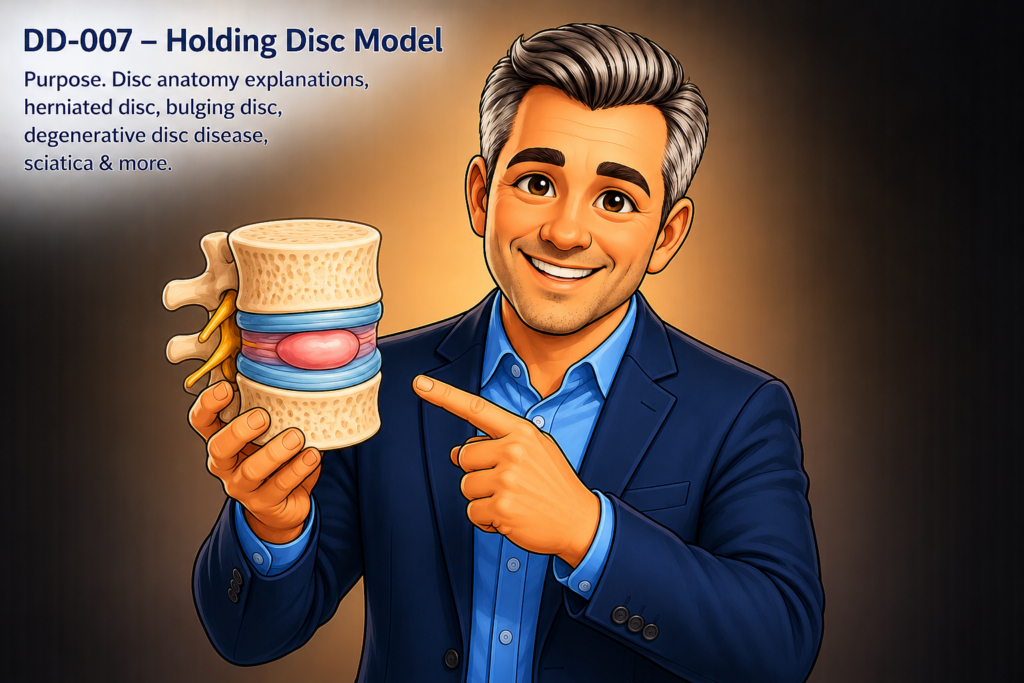
Herniated Disc
One of the leading causes of sciatica is a herniated disc pressing against or irritating a nearby nerve root.
Inflammation surrounding the disc may also contribute to symptoms.
Bulging Disc
Even without a true herniation, a bulging disc may narrow the space available for the nerve and contribute to irritation.
Degenerative Disc Disease
As discs lose height with age, the openings where nerves exit the spine may become smaller, increasing the likelihood of nerve irritation.
Arthritis
Bone spurs and arthritic changes within the spine may gradually reduce available space for spinal nerves.
Spinal Stenosis
Narrowing of the spinal canal or nerve openings may place pressure on the nerves, particularly during standing and walking.
Muscle Compression
Occasionally, tight muscles deep within the buttock—most commonly the piriformis muscle—may irritate the sciatic nerve as it passes nearby.
This is sometimes referred to as piriformis syndrome.
Common Symptoms of Sciatica
Symptoms vary from person to person but commonly include:
- Pain traveling into the buttock
- Pain down the back of the leg
- Burning sensations
- Sharp or shooting pain
- Tingling
- Numbness
- Muscle weakness
- Foot numbness
- Difficulty standing for long periods
- Pain while sitting
- Pain when coughing or sneezing
- Difficulty walking comfortably
Some patients describe the pain as an electrical shock.
Others report deep aching or burning.
The exact symptoms often provide valuable clues regarding which nerve may be involved.
Why Leg Pain Often Hurts More Than Back Pain
Many patients wonder why their leg hurts far more than their lower back.
The answer often involves the nerve itself.
When a spinal nerve becomes irritated, the brain frequently interprets that irritation as pain occurring along the entire path of the nerve, not just where the irritation began.
That’s why a problem in the lower back may create symptoms in the buttock, thigh, calf, ankle, or foot.
Treating only the painful leg without addressing the source of the nerve irritation may provide only temporary relief.
Is Sciatica Always Caused by a Pinched Nerve?
Not necessarily.
Although compression can certainly irritate nerves, inflammation alone may also produce significant symptoms.
This distinction is important because treatment recommendations may differ depending on whether the primary problem involves:
- Mechanical compression
- Inflammation
- Muscle dysfunction
- Joint restriction
- Multiple contributing factors
A thorough examination helps determine which of these mechanisms is most responsible for your symptoms.
How Doyle Chiropractic Treats Sciatica
Because sciatica is a symptom rather than a diagnosis, the first step is determining why the nerve is irritated.
That begins with a thorough history and examination.
During your evaluation, Dr. Geoffrey Doyle assesses:
- Which nerve appears to be involved
- Whether the problem is originating from the spine or elsewhere
- Joint mobility
- Muscle function
- Reflexes
- Strength
- Sensation
- Walking mechanics
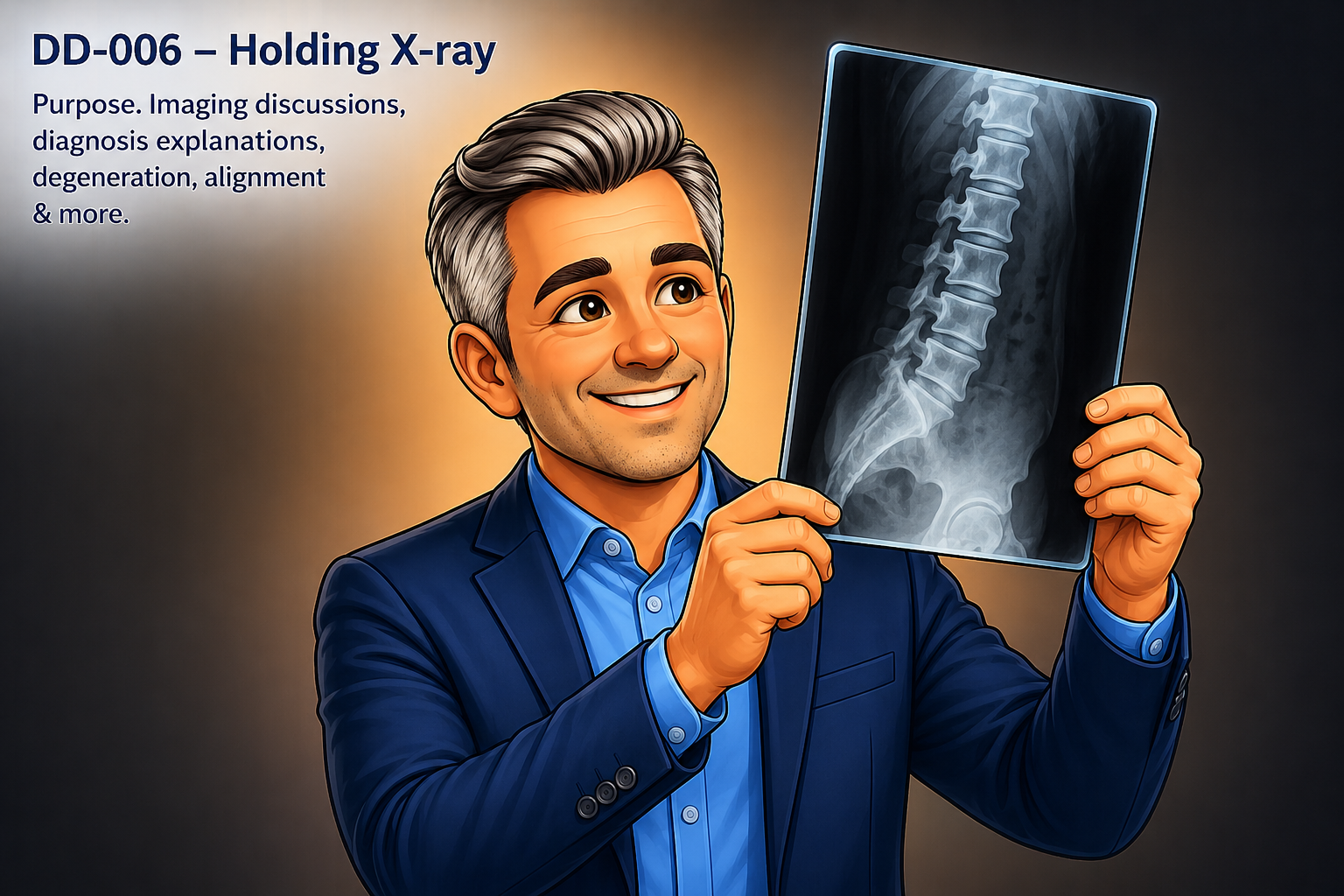
- Whether additional imaging or referral is appropriate
Only after understanding the source of the problem do we develop an individualized treatment plan.
Depending on your diagnosis, treatment may include one or more conservative therapies.
Chiropractic Adjustments
Restricted spinal joints frequently contribute to abnormal movement patterns that increase stress on irritated tissues.
When appropriate, chiropractic adjustments help restore healthy joint motion, improve spinal mechanics, and reduce unnecessary stress throughout the neuromusculoskeletal system.
Treatment is always modified based on the patient’s diagnosis and comfort level.
Class IV Laser Therapy
Laser therapy has become one of our favorite treatments for many patients experiencing sciatica.
Its purpose is to help reduce inflammation surrounding irritated nerves while supporting the body’s normal healing processes.
Many patients experience improved comfort when laser therapy is combined with chiropractic adjustments.
Spinal Decompression
For patients whose sciatica is caused by conditions such as herniated discs, bulging discs, or degenerative disc disease, spinal decompression may become one of the most valuable conservative treatment options.
Computerized decompression gently reduces pressure within the spine, helping create a more favorable environment for irritated nerves.
Not every patient is an appropriate candidate, but for carefully selected individuals it often becomes an important part of treatment.
Soft Tissue Therapy
Tight muscles surrounding the lower back, hips, and pelvis frequently develop as the body attempts to protect an irritated nerve.
Manual therapy, stretching, and other soft tissue treatments may help improve mobility while reducing muscular tension.
Therapeutic Exercise
Long-term improvement often depends upon restoring strength, flexibility, stability, and healthy movement patterns.
Exercise programs are individualized based on your diagnosis, current abilities, and recovery goals.
The Dr. Doyle Perspective
“One of the biggest misconceptions I hear is that every patient with leg pain has the same problem. That’s simply not true. Sciatica describes where the symptoms travel—it doesn’t tell us why they’re happening. Before I recommend any treatment, I want to understand exactly what’s irritating the nerve. Once we identify the cause, we can build a treatment plan that’s focused on the problem instead of simply chasing the symptoms.”
— Dr. Geoffrey Doyle, DC
Our Clinical Experience
Based on our internal observations at Doyle Chiropractic:
- Chiropractic adjustments alone have produced approximately a 92% clinical success rate for many common causes of sciatica when patients report at least a 50% improvement.
- When Class IV laser therapy is added, our observed success rate increases to approximately 94%.
- For appropriately selected patients receiving chiropractic adjustments, Class IV laser therapy, spinal decompression, and supportive rehabilitation, our observed success rate has approached 97%.
These represent internal clinical observations from Doyle Chiropractic and should not be interpreted as guarantees or published scientific outcome data. Every patient’s diagnosis, severity, health status, and response to treatment are unique.
When Should You Seek Immediate Medical Attention?
While most cases of sciatica can initially be evaluated through conservative care, certain symptoms require immediate medical attention.
Seek emergency evaluation if you experience:
- Loss of bowel or bladder control
- Progressive leg weakness
- Numbness in the saddle or groin region
- Severe trauma followed by neurological symptoms
- Rapidly worsening numbness or weakness
These symptoms may indicate a serious neurological condition requiring urgent evaluation.
Frequently Asked Questions
Can sciatica go away on its own?
Yes. Many episodes improve over time. However, identifying the underlying cause may help reduce recurrence and improve long-term function.
Is walking good for sciatica?
For many patients, gentle walking is beneficial. However, recommendations depend on the underlying cause of the nerve irritation.
Should I stay in bed?
Generally, prolonged bed rest is no longer recommended. Most patients recover better with appropriate movement and activity modifications.
Will I need an MRI?
Not always. Many cases can be diagnosed through a detailed history and physical examination. Imaging may be recommended if symptoms are severe, persist despite treatment, or neurological findings suggest additional evaluation is necessary.