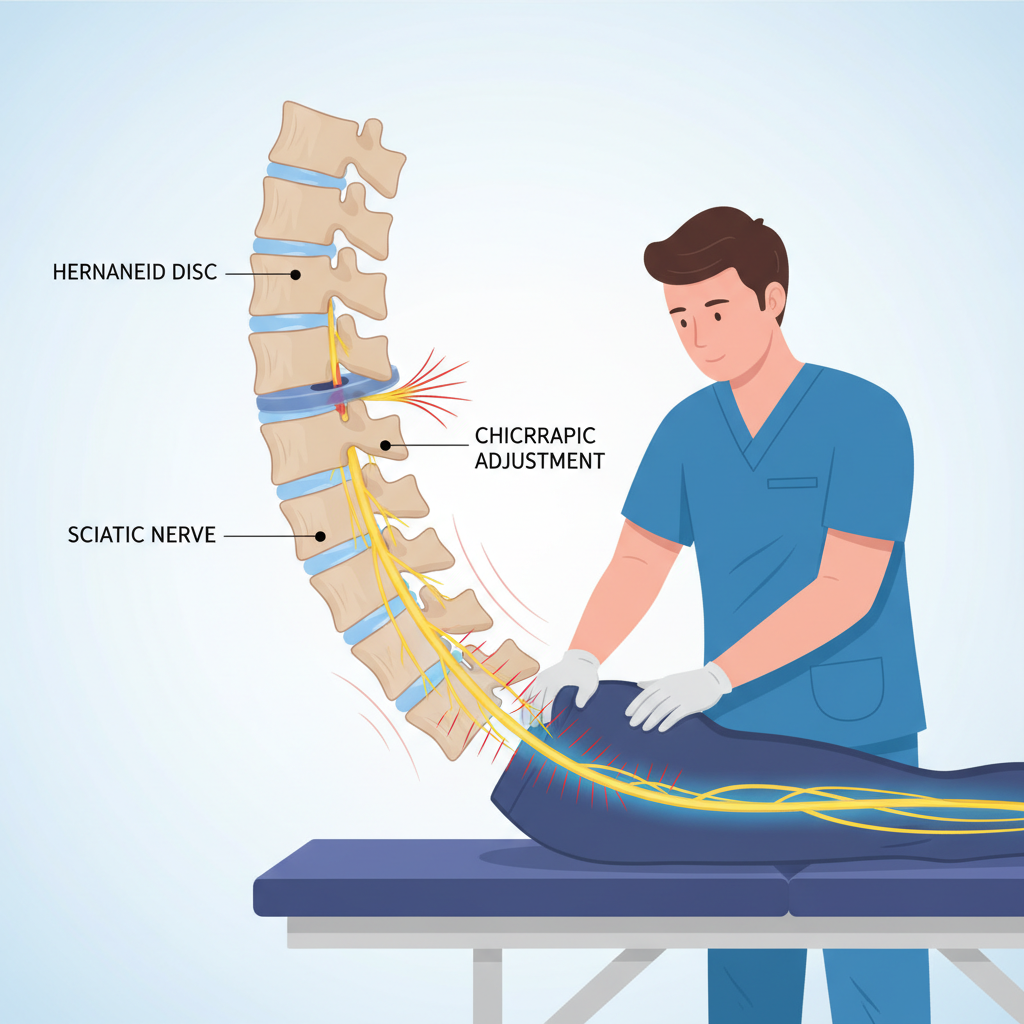
Understanding chronic back pain
If you’re living with persistent back or neck discomfort that returns no matter how much you rest or medicate, you’re not alone. Chronic spine pain can stem from a mix of structural changes, nerve irritation, and long-standing muscle imbalances. Recognizing the nature of your pain is the first step toward an effective back pain management plan chiropractor.
Chronic pain differs from acute pain in both duration and mechanism. Acute pain usually signals a new injury and resolves as tissues heal. When discomfort persists beyond three months, it becomes chronic, reflecting deeper issues that simple rest or over-the-counter medications often fail to address. In this phase, you might notice stiffness, dull aches, or sharp twinges that disrupt work, sleep, and daily activities.
Common factors contributing to your chronic back pain include:
- Disc degeneration or herniation creating nerve pressure and inflammation
- Facet joint arthritis or sacroiliac dysfunction causing mechanical stiffness
- Muscle strain, ligament sprain, or scar tissue from past injuries
- Poor posture, prolonged sitting, or repetitive motions that overload specific structures
- Chronic systemic inflammation linked to obesity, smoking, or metabolic issues
“Spine pain affects over 11% of the world’s population and is the leading cause of activity limitation globally” [1]
Understanding these interrelated factors helps you see why a one-size-fits-all approach rarely brings lasting relief. A chiropractor specializing in a non-surgical, long-term strategy will evaluate how your spine, muscles, and nervous system interact, targeting the root causes rather than merely masking symptoms.
The chiropractic evaluation
Before any treatment begins, your chiropractor conducts a thorough evaluation to pinpoint the sources of your pain. This process frequently exceeds a basic posture check, giving you a clear roadmap for recovery.
Reviewing your history
Your chiropractor will explore your medical and activity history, including previous injuries, surgeries, and lifestyle habits. Details like how long you’ve struggled with pain, what makes it better or worse, and any past therapies inform a personalized plan. By understanding your unique story, the chiropractor for long term back pain can set realistic goals and expectations.
Conducting physical assessments
Next, you’ll undergo a physical exam focusing on spinal alignment, range of motion, muscle tone, and nerve function. Tests might include gentle joint palpation, muscle strength measurements, and neurologic screenings for reflexes or sensations. These hands-on assessments reveal imbalances or restrictions that contribute to your discomfort, guiding targeted adjustments.
Considering diagnostic imaging
When necessary, imaging such as X-rays or MRI scans clarify structural issues like disc herniation or spinal stenosis. While not always required, these studies can confirm suspected diagnoses and reveal hidden problems. Combining imaging with your physical exam ensures your treatment plan addresses the full scope of your condition, distinguishing you from patients who pursue generic pain relief.
This evaluation phase lays the groundwork for a successful non-surgical approach. By capturing a comprehensive picture of your spine and related structures, you and your chiropractor can move forward with confidence.
Crafting your treatment plan
With a clear diagnosis in hand, your chiropractor collaborates with you to design a long-term care strategy. This personalized plan outlines your treatment goals, anticipated timeline, and the mix of therapies best suited for your condition.
Setting goals and duration
Your treatment goals might include reducing pain intensity, restoring flexibility, or improving posture. Most plans start with a series of visits—typically one to three sessions per week over two to four weeks—before a formal re-examination to gauge progress and adjust the approach as needed [2]. From there, visits often taper based on your response, shifting focus toward maintenance and self-management.
Personalizing your care
Every back and neck pain case has its own nuances. Your chiropractor for persistent neck pain or chronic back discomfort will factor in your lifestyle, work demands, and activity goals. Whether you sit at a desk all day or train for a triathlon, exercises and adjustments will align with your routine, not disrupt it. This level of customization sets chiropractic care apart from generic therapies.
Integrating non-surgical methods
A robust chiropractic treatment plan leverages multiple modalities to support healing. Alongside spinal manipulation, you may receive recommendations for therapeutic massage, ultrasound, heat or cold therapy, and nutrition guidance. Taking a holistic approach ensures you build strength, increase circulation, and reduce inflammation without surgery [2]. If pain is severe or progress stalls, your chiropractor may coordinate with other specialists to explore complementary options.
By crafting a plan that reflects your unique needs, you prepare your body for lasting results rather than a temporary reprieve. Exploring chronic back pain relief without surgery and long standing back pain chiropractic care can further illuminate your path forward.
Key chiropractic techniques
To address underlying imbalances and nerve irritations, chiropractors employ a suite of specialized techniques. Each modality targets specific tissues and joint mechanics, working in concert to restore function and relieve pain.
Spinal adjustments
Also called spinal manipulative therapy (SMT), adjustments involve quick, controlled thrusts to realign vertebrae, reduce nerve pressure, and improve mobility. Patients often report immediate relief as inflammation decreases and joint movement is restored [3].
Flexion-distraction therapy
Using a specialized table, this gentle technique applies rhythmic stretching and flexion to decompress spinal discs and nerves. It’s particularly effective for herniated discs, sciatica, spinal stenosis, and promoting disc hydration and healing [4].
Soft tissue therapies
Trigger point therapy, myofascial release, and Active Release Techniques focus on muscle knots and tight fascia. By breaking down adhesions and improving circulation, these methods complement adjustments, easing chronic muscle strain and improving flexibility [4].
Electrical stimulation
Low-level electrical currents delivered through electrodes relax muscles, reduce spasms, and boost endorphin release. When combined with manual therapies, this modality enhances pain control and speeds recovery.
Technique comparison
| Technique | What it does | Ideal for |
|---|---|---|
| Spinal adjustments | Realigns vertebrae, reduces nerve pressure | Joint misalignment, general back pain |
| Flexion-distraction | Decompresses discs, promotes rehydration | Herniated discs, sciatica, stenosis |
| Soft tissue therapy | Releases muscle knots, improves tissue mobility | Chronic muscle tension, post-injury scars |
| Electrical stimulation | Relaxes muscles, diminishes inflammation | Acute muscle spasm, post-adjustment pain |
This table highlights how each technique plays a distinct role in your treatment plan. By combining these methods, your chiropractor creates a balanced, non-surgical approach to relieve pain and restore function.
Setting treatment frequency
Determining how often you visit is critical for progress. Treatment frequency typically reflects the stage of your condition and your personal goals.
Acute vs chronic phase
In the acute stage—when pain is sharp or debilitating—you may need two to three visits per week. This intensity helps reduce inflammation and regain basic mobility. As you transition into the chronic management phase, visits often decrease to weekly or biweekly sessions. This tapering supports sustained improvement while you build strength and confidence.
Tapering visits
After the initial phase, your chiropractor may recommend maintenance care—occasional visits to preserve alignment and prevent flare-ups. However, the efficacy of ongoing maintenance beyond functional improvement remains under study, and care plans should adjust to your results [2]. If you notice new symptoms or plateau in progress, your chiropractor may suggest reevaluation or a different strategy.
Balancing visit frequency with your lifestyle ensures you stay on track without overcommitting time or resources. By working together, you can find a sustainable schedule suited to your long-term goals.
Tracking your progress
Objective measures help you and your chiropractor determine what’s working and where to refine your plan. Regular feedback ensures you’re moving toward lasting relief.
Outcome measures
Common tools include:
- Visual analog scales or numeric pain ratings
- Range of motion tests for the spine and nearby joints
- Functional assessments, like the Oswestry Disability Index
- Patient-reported quality of life questionnaires
Tracking these metrics over time reveals trends—whether your pain is diminishing, mobility is improving, or you’re regaining daily function.
Re-evaluation triggers
After your initial treatment block—often four to six weeks—a formal re-examination assesses progress. If pain persists or worsens, you might explore alternative or additional treatments, or seek a second opinion [2]. Regular check-ins also allow you to update goals, integrate new exercises, and address any emerging concerns.
This cycle of assessment and adjustment keeps your back pain management plan chiropractor aligned with your evolving needs, ensuring you don’t settle for temporary fixes.
Achieving long-term relief
The ultimate aim of chiropractic care is to empower you with tools and strategies for lasting comfort and function. By combining professional treatments with self-care, you build resilience against future setbacks.
Preventing recurrence
Long-term relief depends on maintaining spinal health through posture, ergonomics, and movement. Simple changes—like adjusting your workstation, practicing core-strengthening exercises, and taking breaks during prolonged sitting—can dramatically reduce strain. Addressing lifestyle factors such as weight management, smoking cessation, and stress control further minimizes inflammation and supports recovery.
Home care strategies
Your chiropractor may prescribe home exercises such as pelvic stabilization routines, gentle stretches, and low-impact strengthening drills [4]. Incorporating heat or cold packs, using ergonomic pillows, and following nutrition guidance enhance your daily progress. Consistency with these practices turns short-term gains into permanent improvements.
Natural treatments for chronic neck pain often overlap with back care—correct posture, targeted stretches, and mindful movement help you stay active without relying on pain medication [5]. If you notice lingering soreness or new discomfort, revisit back pain that keeps coming back chiropractor for updated strategies.
By embracing a collaborative partnership with your chiropractor and committing to self-management, you can break the cycle of recurring pain. A well-structured, non-surgical spinal pain treatment chiropractor offers not just temporary relief but a path to sustainable wellness.