Leg pain from sciatica can be frightening, especially when it begins to interfere with walking, sleep, or your ability to sit or stand for very long. If you are looking for a way to avoid injections or surgery, exploring leg pain from sciatica chiropractor care gives you a conservative, drug free path that focuses on relieving nerve pressure and restoring normal movement.
In this guide, you will learn how sciatica develops, what your symptoms mean, how a chiropractor evaluates sciatic nerve compression, and what you can realistically expect from treatment and recovery timelines before you consider more invasive options.
Understanding leg pain from sciatica
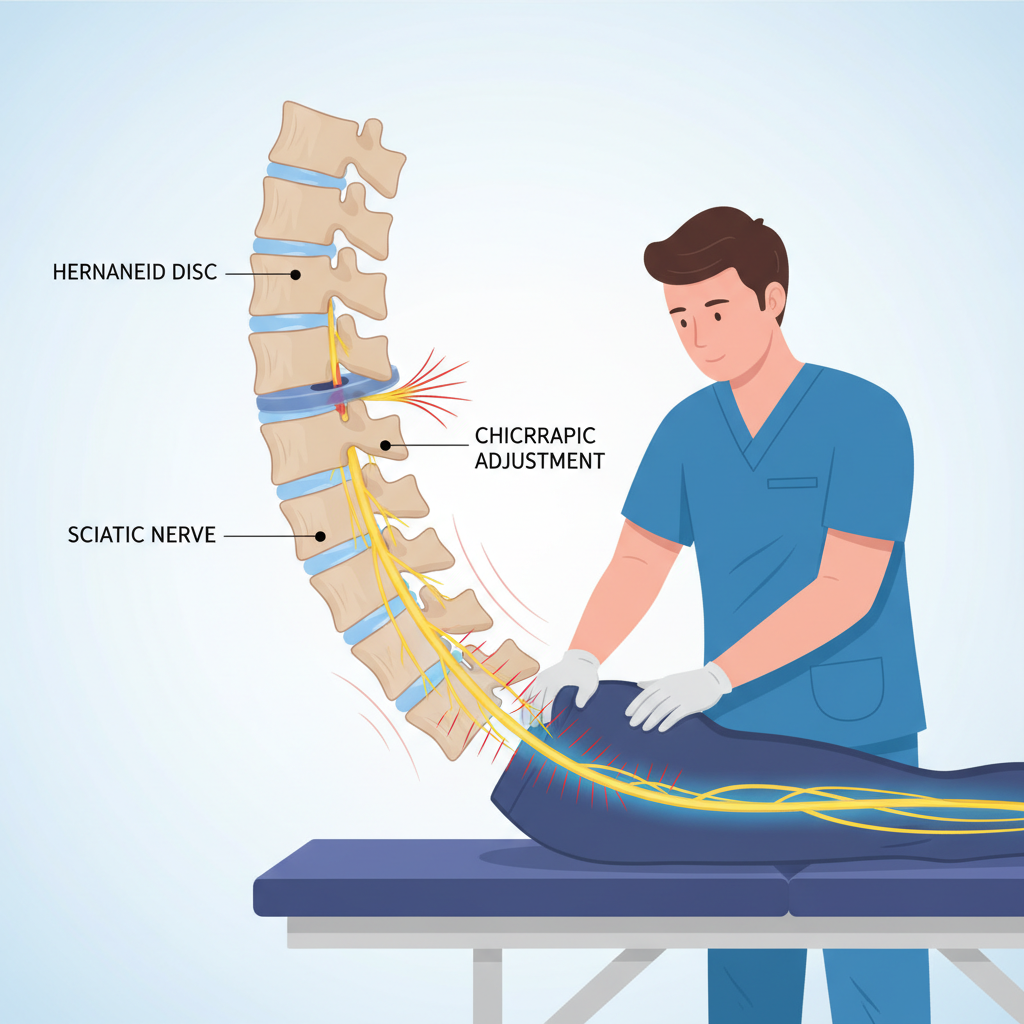
Sciatica is not a diagnosis by itself. It is a description of the pattern of pain, numbness, or weakness that follows the path of your sciatic nerve. This large nerve starts in your lower spine, travels through the pelvis and buttock, and runs down the back of your thigh into your calf and foot [1].
When one of the nerve roots that form the sciatic nerve is compressed or irritated, you may feel:
- Sharp or burning pain traveling from your lower back or buttock down one leg
- Electric shock like sensations or deep aching along the back of the leg
- Numbness, tingling, or a “pins and needles” feeling in part of the leg or foot
- Weakness, dragging the foot, or feeling unstable when you walk [2]
These symptoms often worsen when you bend forward, twist, lift, sit for long periods, or even cough or sneeze, because those positions increase pressure on the affected nerve root [3].
Most cases improve within four to six weeks with proper care such as stretching and physical therapy, but persistent or worsening symptoms need professional evaluation [1].
How sciatic nerve compression develops
Sciatica usually begins with something physically irritating or compressing the lumbar nerve roots that form the sciatic nerve. Common underlying causes include:
Disc and joint problems
A lumbar disc herniation is a frequent trigger. The soft center of a spinal disc pushes through a tear in the outer layer and presses on a nearby nerve root. This can create sudden, intense leg pain along with numbness or weakness.
Other structures can also crowd the nerve:
- Degenerative disc disease that narrows the space between vertebrae
- Bone spurs from arthritis
- Spinal stenosis, a narrowing of the spinal canal
- Misaligned vertebrae or subtle joint dysfunction around the spine or hips
Over time, these changes can gradually irritate the nerve, leading to chronic leg pain rather than a single dramatic onset.
Hip and pelvic misalignment
You may also develop leg pain from sciatica when your hips and pelvis are slightly misaligned. Something as simple as habitually putting more weight on one leg can shift your posture and tug on the spine without you realizing it. Integrated Spinal Solutions notes that this uneven weight distribution can create long term sciatic pain that responds well when alignment is corrected and posture is improved [4].
Muscle tension and soft tissue issues
Tight muscles in the buttock region, such as the piriformis, can also irritate the nerve as it travels through or under these tissues, a pattern sometimes called piriformis syndrome. Trigger points in the lower back or hip muscles can refer pain down the leg in a way that mimics sciatica [5].
Whatever the initial cause, the common theme is compression and irritation of the nerve. Inflammation then builds around the nerve root, which prolongs and intensifies your leg pain.
Why chiropractic care is often tried before surgery
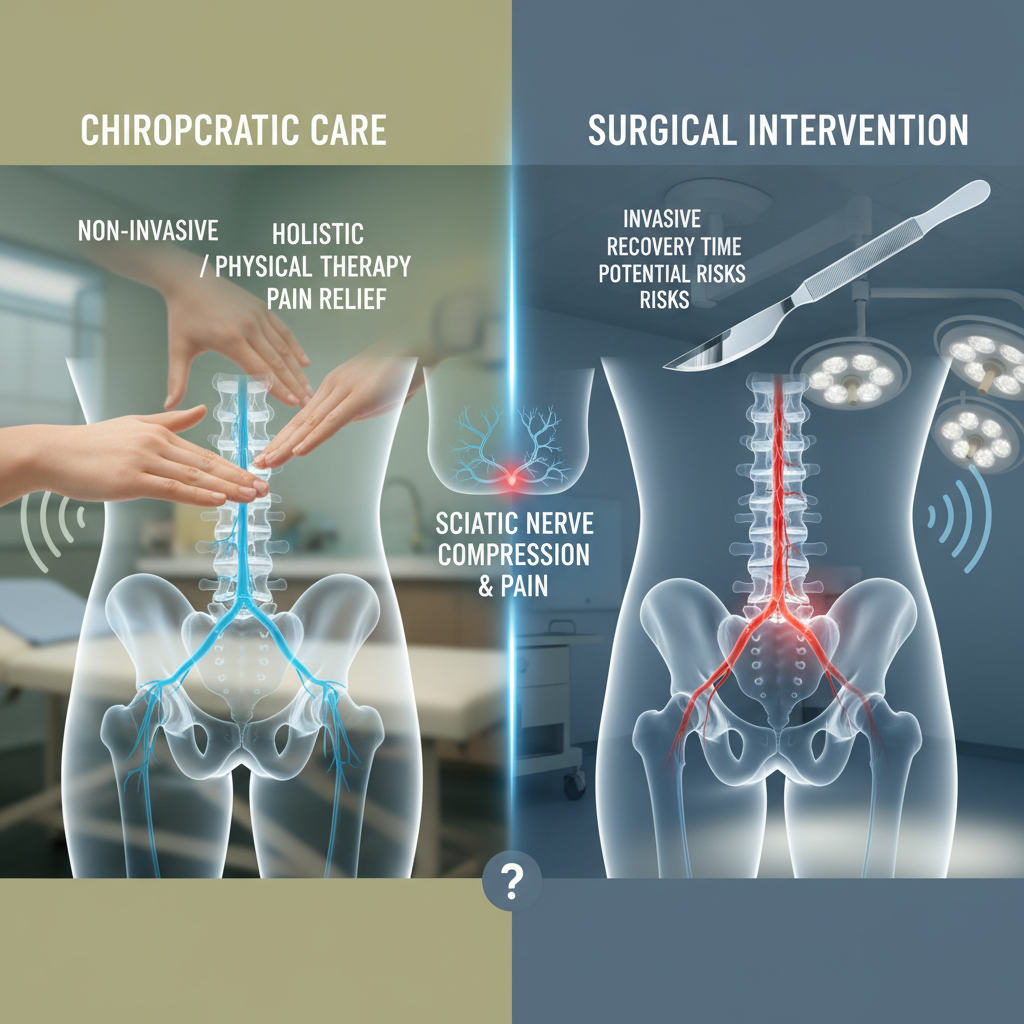
When you are dealing with leg pain from sciatica, it is understandable to worry about whether you will need injections or surgery. Fortunately, many guidelines recommend starting with conservative, non invasive options unless you have serious red flag symptoms.
Conservative care may include:
- Targeted stretching and physical therapy
- Lifestyle and ergonomic changes
- Chiropractic adjustments and manual therapy
- Medications if appropriate
- In some cases, image guided injections if pain remains severe [3]
Surgery is typically reserved for persistent, disabling leg pain or progressive neurologic problems that do not respond to less invasive approaches [3].
Chiropractic fits into this conservative pathway by focusing on restoring proper spinal motion and alignment, which helps relieve mechanical pressure on the sciatic nerve. If you want sciatica treatment without surgery or to explore non invasive sciatica treatment options, chiropractic is often one of the first specialties you will consider.
How chiropractors evaluate leg pain from sciatica
A careful evaluation is critical before any treatment begins. Chiropractors who see leg pain from sciatica typically take several steps to understand what is happening in your body and to rule out conditions that may require a different kind of care.
History and symptom pattern
Your chiropractor will start by asking detailed questions about:
- Where your pain starts and where it travels
- What makes it better or worse
- How long you have had symptoms and whether they are getting worse
- Any history of trauma, heavy lifting, or previous back issues
- Changes in bladder or bowel function, which can signal a medical emergency
This history helps distinguish true sciatic nerve compression from other types of leg pain.
Physical and neurologic exam
Next, you will undergo a hands on examination that may include:
- Range of motion testing for your lower back, hips, and pelvis
- Orthopedic tests such as raising your leg while you lie down, which can reproduce sciatic nerve pain when the nerve is irritated
- Neurologic tests for reflexes, muscle strength, and sensation in specific areas of the leg and foot
Chiropractors are trained to diagnose sciatica with these musculoskeletal evaluations and to decide whether conservative care is appropriate or whether you need referral to another provider [6].
Imaging and further testing
If your symptoms are severe, long lasting, or not responding as expected, your chiropractor may order imaging such as X rays or an MRI, or coordinate with your primary care provider or a specialist. This helps clarify whether your sciatica is disc related, caused by spinal stenosis, or coming from another structure that may require additional intervention.
This careful evaluation also forms the basis for a personalized nerve pain chiropractor evaluation, which guides your ongoing care.
How chiropractic treatment relieves sciatic nerve pressure
Once your chiropractor has confirmed that your leg pain fits a sciatica pattern and that conservative care is appropriate, they will design a plan aimed at reducing nerve compression, calming inflammation, and restoring healthy movement.
Spinal and joint adjustments
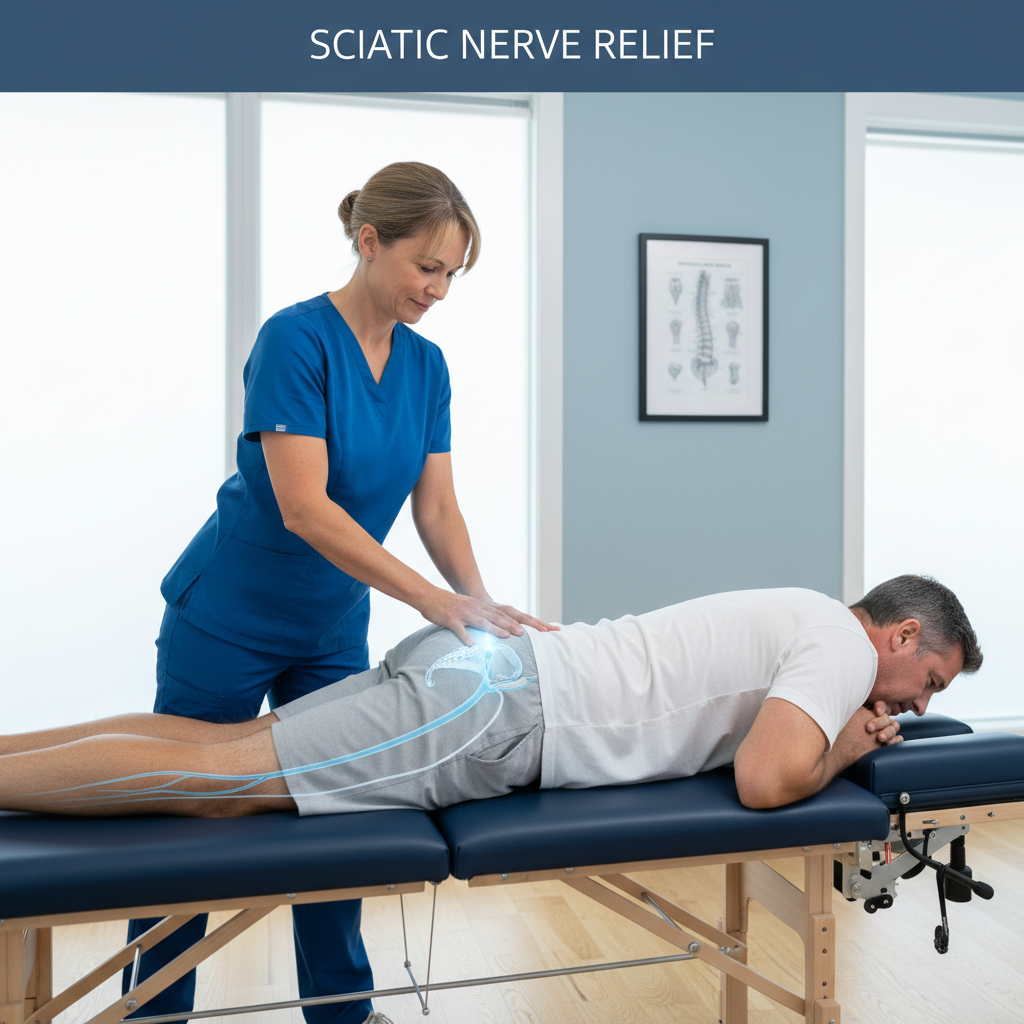
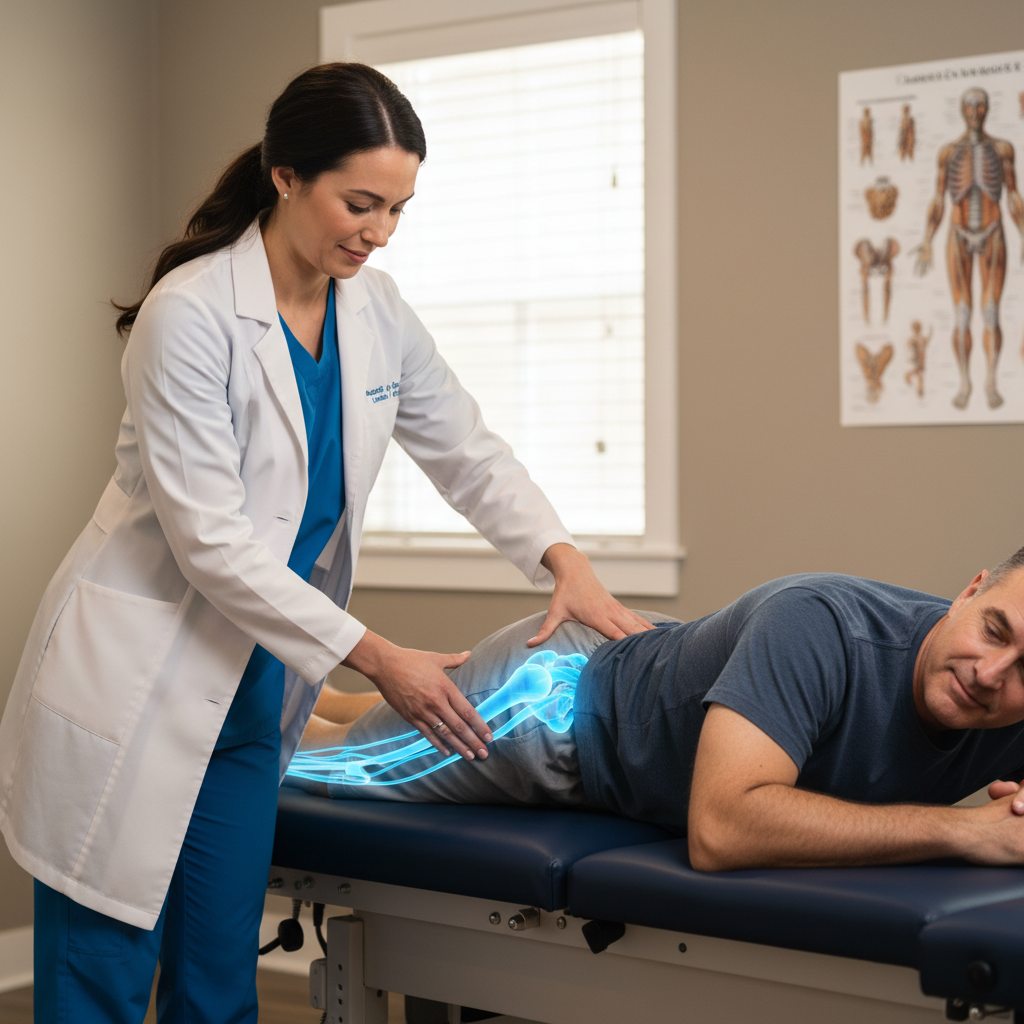
The core of most chiropractic care plans for sciatica is the adjustment itself. A chiropractic adjustment involves a trained practitioner applying a controlled, specific force to spinal joints using their hands or a small instrument to improve spinal motion and reduce pain [7].
For sciatic nerve related leg pain, adjustments may:
- Restore alignment in the lumbar spine and pelvis
- Reduce pressure on disc and nerve structures
- Balance muscle pull around the hips and lower back
- Improve joint mobility so that movement irritates the nerve less
You may hear or feel a popping or “crack” sound during these adjustments. Reno specialists explain that this is similar to knuckle popping and usually reflects gas being released from the joint rather than bones grinding. Patients often describe a sense of relief in the affected joints after these non painful therapies [4].
If you want to understand the details of a chiropractic adjustment for sciatica or chiropractic treatment for lumbar sciatica, your chiropractor can explain how each technique applies to your specific case.
Correcting misalignment and posture
A key goal in leg pain from sciatica chiropractor care is to address subtle misalignments that you may not notice in daily life. For example, slight hip misalignment from standing more on one leg can, over time, increase stress on the sciatic nerve. By realigning the spine and hips, chiropractic treatment can unimpede nerve flow, balance muscle pull, and reduce joint pressure while also improving posture [4].
Chiropractors often talk about vertebral subluxation, which refers to dysfunction or misalignment of vertebrae. Correcting these areas may positively influence nerve function, metabolism, and overall well being, which is especially important when you are dealing with nerve compression and pain [4].
Soft tissue therapy and movement work
Adjustments are usually combined with soft tissue techniques and guided movement, such as:
- Gentle stretching of tight hip and buttock muscles
- Soft tissue release in the lower back and pelvis
- Home exercise programs to improve flexibility and core strength
- Advice on sitting, standing, and lifting so that daily activities do not keep aggravating the nerve
Cutitta Chiropractic highlights that when rest, stretching, or heat only give temporary relief, pairing adjustments with soft tissue therapy and movement guidance can provide more effective and sustained pain management [8].
If you are particularly interested in a natural, whole body approach, you can explore options like natural sciatica pain relief chiropractor and chiropractic care for nerve inflammation.
What you can expect during treatment
Knowing what to expect can make it easier to commit to a care plan and to evaluate whether it is working for you.
Session experience and short term reactions
During an adjustment, your chiropractor will position you comfortably and apply controlled forces to specific joints. Many people feel immediate relief or lightness afterward. Others notice soreness similar to what you might feel after exercise. According to the Mayo Clinic, minor side effects like headache, localized pain, or tiredness in the treated areas can occur for a few days after a chiropractic session aimed at relieving spinal related pain, including leg pain from sciatica [7].
These reactions usually fade quickly. Your chiropractor will monitor your response and adjust techniques as needed so that your treatments are as comfortable and effective as possible.
Number of visits and recovery timeline
The number of sessions you need depends on several factors:
- How long you have had symptoms
- Whether your sciatica is from a disc problem, stenosis, or soft tissue irritation
- Your general health and activity level
- How well you follow home exercises and posture changes
Atlas Injury To Health notes that some patients feel relief after a few sessions, while others improve more gradually over time, depending on the severity and duration of their condition and their adherence to the treatment plan [6].
In general, chiropractic adjustments may require several visits to effectively ease low back pain and associated leg pain [7]. Many people begin to notice meaningful improvement within a few weeks. This aligns with broader medical data showing that most sciatica cases improve within four to six weeks with proper conservative care [1].
For a deeper look at timelines and expectations, you can review resources like how long does sciatica take to heal chiropractor and build a personalized sciatica recovery plan chiropractor with your provider.
Pain relief, function, and long term goals
You and your chiropractor should regularly assess:
- Changes in your pain intensity and frequency
- Improvements in walking, sitting, or standing tolerance
- Return of strength or resolution of numbness and tingling
- Ability to resume normal work or home activities
Healthline outlines that chiropractic spinal manipulation and manual therapies for sciatica usually occur across multiple visits and may be combined with exercises and wellness advice tailored to your situation [9]. A 2025 study cited there found that people with sciatica who received spinal manipulation instead of opioid medication experienced fewer side effects one year after treatment began, suggesting chiropractic may help reduce later opioid use for leg pain [9].
It is important to understand that research on chiropractic specifically for sciatica is still limited and often based on smaller studies. Results vary, and not everyone responds the same way. However, many patients do report relief of leg pain and related symptoms after chiropractic treatment [9].
Your chiropractor can help you develop a sciatica pain relief plan that sets realistic milestones and monitors progress over time.
Chiropractic care offers a non invasive, drug free way to address leg pain from sciatica by correcting spinal misalignments that compress the sciatic nerve and by supporting your body’s natural healing processes [6].
Safety, effectiveness, and when chiropractic is appropriate
As you consider leg pain from sciatica chiropractor options, it is natural to ask about risks, when it is safe, and how it compares with other treatments.
Safety considerations
Chiropractic adjustments are generally considered safe when performed by a licensed and skilled practitioner, including for people with sciatic nerve related leg pain [10]. Your chiropractor will screen for conditions that would make specific techniques inappropriate and will modify their approach if needed.
Effectiveness can vary. If your leg pain does not improve after a few weeks of chiropractic care, your provider may suggest imaging, co management with a medical doctor, or a different approach entirely [7].
When chiropractic is a good first step
Chiropractic care is often a reasonable choice before injections or surgery if:
- Your leg pain matches a typical sciatica pattern
- You do not have loss of bowel or bladder control or rapidly worsening weakness
- Imaging, if done, confirms a cause that is appropriate for conservative management
- You prefer to avoid or limit use of medications and invasive procedures
Conservative treatments, including chiropractic, physical therapy, and ergonomic modifications, are usually tried first for leg pain from sciatica, with more invasive options reserved for cases that do not respond [3].
If you want a structured comparison of chiropractic vs surgery for sciatica or you are weighing sciatica relief without injections, your chiropractor can help explain where your situation fits along that spectrum.
Red flag symptoms that need urgent medical care
You should seek immediate medical attention rather than relying on chiropractic alone if you experience:
- Sudden, severe weakness in the leg or foot
- Loss of sensation in the groin or around the anus
- Loss of bladder or bowel control
- Fever or unexplained weight loss along with back and leg pain
Untreated severe sciatica can sometimes lead to permanent nerve damage such as loss of leg sensation or problems with bowel and bladder control, which is why prompt medical care is essential if symptoms persist or worsen [9].
Your chiropractor should work as part of your broader health care team and will refer you to a medical specialist if your presentation suggests that chiropractic alone is not enough.
Integrating chiropractic into your overall sciatica plan
Chiropractic care does not need to stand alone. It often works best as part of a broader, coordinated strategy for sciatic nerve pain management.
Depending on your needs, your chiropractor may:
- Coordinate with your primary care doctor or a spine specialist
- Incorporate home exercise and stretching routines
- Suggest ergonomic changes at work and home
- Teach you positions and movements that unload the nerve
- Monitor your progress and adjust your care plan over time
If your sciatica is disc related, you may benefit from a focused approach such as sciatica caused by disc chiropractor or chiropractic therapy for nerve compression. If your primary complaint is radiating pain into the leg, a targeted radiating leg pain chiropractor evaluation can help identify exactly which structures are involved.
You can also learn more about how chiropractors treat sciatica, what to expect from a chiropractor for pinched nerve sciatica, and how chiropractic care for nerve pain may fit your personal goals.
Taking your next step toward relief
Living with leg pain from sciatica can make even simple tasks feel overwhelming. The good news is that you often have options before you consider injections or surgery. By focusing on correcting joint dysfunction, relieving nerve compression, and improving posture and movement patterns, chiropractic care provides a non invasive path that aligns with your body’s natural healing capacity.
If your leg pain has lasted more than a few days, keeps returning, or is now interfering with your daily life, consider scheduling an evaluation with a chiropractor for sciatica nerve pain. With a clear diagnosis, a thoughtful care plan, and realistic expectations for recovery, you can take active steps today to reduce your pain and protect your long term spinal and nerve health.