Sciatic nerve pain management is about more than masking symptoms. When you understand why the sciatic nerve gets irritated and which treatments reduce pressure and inflammation at the source, you can choose care that actually helps your body heal. For many people, chiropractic care is an effective, non invasive first line of treatment before considering injections or surgery.
This guide walks you through what sciatic nerve pain is, how it is diagnosed, and how chiropractic treatment fits into a comprehensive sciatica pain relief plan.
Understanding sciatic nerve pain
The sciatic nerve is the largest nerve in your body. It starts in your lower spine, runs through your hips and buttocks, and travels down the back of each leg. When part of this nerve is compressed or irritated, you may feel pain, numbness, tingling, or weakness that travels from your low back into your leg, sometimes all the way to your foot. This is commonly called sciatica or sciatic nerve pain. Up to 40 percent of people will experience sciatica at some point in their lives [1].
Sciatic nerve pain can range from a dull ache to sharp, burning, or electric sensations. You might notice it more when you sit, cough, or sneeze [2], or when you bend and twist. For some, it is an occasional annoyance. For others, it can be severe enough to limit walking, sleep, and daily activities.
Understanding what is happening along the path of the nerve is the first step in effective sciatic nerve pain management.
How sciatic nerve compression develops
Sciatica is a symptom, not a stand‑alone diagnosis. It means that something is compressing or irritating the sciatic nerve or the nerve roots that form it in your lower spine. Common causes include:
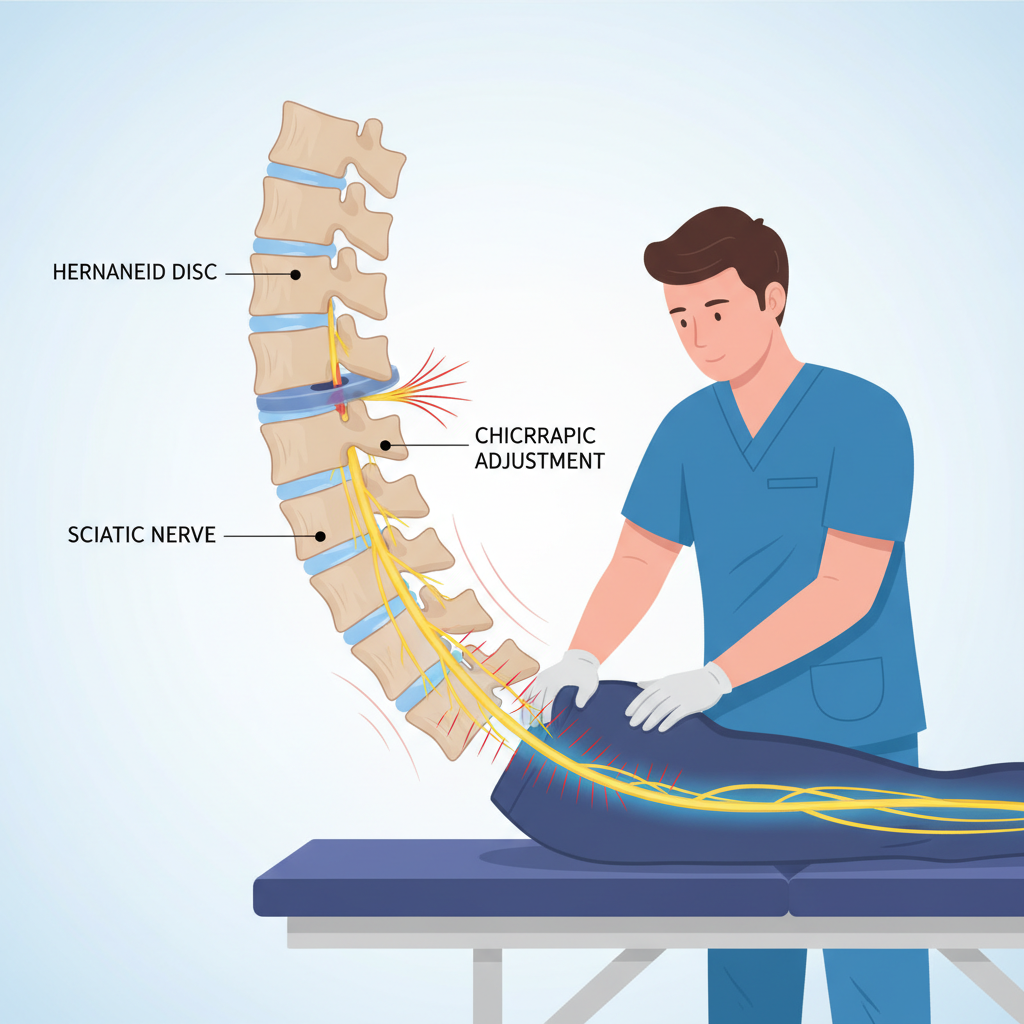
- Herniated or bulging lumbar discs that press on a nerve root
- Bone spurs from arthritis in the spine
- Narrowing of the spinal canal, called spinal stenosis
- Misalignment or restricted movement of spinal joints
- Tight or spasming muscles in the buttock, such as piriformis syndrome, that can trap the sciatic nerve [3]
When joints in your lower back do not move well or when discs are under chronic stress, the tissues around the nerve can swell and inflame. That inflammation, combined with mechanical pressure, irritates the nerve and causes radiating symptoms down your leg.
Chiropractic care focuses on this structural side of sciatic nerve compression. By restoring normal joint motion, improving alignment, and reducing soft tissue tension, your chiropractor aims to relieve pressure on the nerve and allow inflammation to calm in a natural way.
Recognizing sciatica symptoms
You might suspect sciatica if you notice one or more of these patterns:
- Pain that starts in the low back or buttock and travels down the back of your thigh, calf, or into the foot
- Numbness, tingling, or pins and needles in your leg or foot
- Muscle weakness in your leg, difficulty lifting your foot, or a sense of heaviness
- Burning, shooting, or electric pain down one leg
- Symptoms that worsen with sitting for long periods, or with coughing and sneezing [2]
Sciatica often affects only one side, although both legs can be involved in some conditions. It is important to know that not all leg pain is sciatica, and not all sciatica comes from the same cause. A careful evaluation is essential before you decide on a treatment plan, whether that is chiropractic care for nerve pain, physical therapy, medication, or a combination.
When sciatic pain is an emergency
While most cases of sciatic nerve pain are not life threatening, some symptoms require urgent medical attention. You should seek immediate care if you notice:
- Sudden severe pain after a fall or accident
- Progressive or severe leg weakness
- Numbness in the groin or inner thighs
- Loss of bowel or bladder control
- Fever, chills, or night sweats together with back or leg pain
These can be signs of infection or of cauda equina syndrome, a rare condition where nerve roots at the base of the spinal cord are compressed. It can cause permanent damage if not treated quickly [4].
In these situations, your first step is the emergency department, not conservative care. Once serious causes are ruled out or treated, you and your chiropractor can safely discuss long term sciatic nerve pain management.
How sciatica is diagnosed
A thorough diagnosis gives you clarity on what is causing your pain and helps your provider recommend appropriate conservative, non invasive options. During a nerve pain chiropractor evaluation, or at your medical provider’s office, you can expect a few key steps.
History and symptom review
You will be asked when your pain started, what makes it better or worse, and where exactly you feel symptoms. Details about your work, recent injuries, exercise habits, and other health conditions help your provider narrow down the likely cause.
Physical and neurological exam
Your chiropractor or physician will check:
- Posture and spinal alignment
- Range of motion in your low back and hips
- Muscle strength in your legs
- Reflexes at the knee and ankle
- Sensation to light touch or pinprick
You may be asked to walk on your heels or toes, rise from a squat, or lift each leg while lying on your back, since these movements can reproduce sciatic pain and help locate nerve involvement [5].
Imaging and other tests
Imaging is not always required, especially in mild cases that are improving with self care. If your symptoms are severe, persistent, or associated with red flags, your provider may recommend:
- X rays to look at alignment and arthritis
- MRI to assess discs, nerves, and soft tissues
- CT or other studies in complex situations
These results, combined with your exam, help determine whether sciatica caused by disc chiropractor care is appropriate, or whether a surgical consultation is needed.
Conservative options for sciatic nerve pain management
For most people, sciatic nerve pain management starts with non surgical, conservative care. Clinical guidelines often recommend this approach before injections or surgery in the absence of serious red flag symptoms. Options include:
- Staying gently active and avoiding prolonged bed rest
- Physical therapy and targeted exercises
- Chiropractic care to address spinal and joint mechanics
- Over the counter or prescription medications when appropriate
- Short periods of rest and modified activities
- Heat or ice to help manage pain and inflammation
About 90 percent of people with sciatica improve without surgery, and many recover within a few weeks using home and conservative treatments [6]. Mild sciatica often resolves over time with self care, although you should seek medical advice if your pain persists beyond a week or two, worsens, or becomes severe [2].
Chiropractic care fits into this conservative phase and focuses on restoring function while relieving nerve pressure whenever possible.
How chiropractic care helps relieve sciatic nerve compression
Chiropractic treatment is centered on the relationship between your spine, nerves, and overall body function. If you are looking for sciatica relief without injections or surgery, it is helpful to understand how chiropractors approach sciatic nerve pain management.
Restoring spinal alignment and joint motion
When joints in your lower back and pelvis become restricted, movement patterns change and extra stress is placed on discs and surrounding tissues. Over time, this can contribute to disc bulging, inflammation, and nerve irritation.
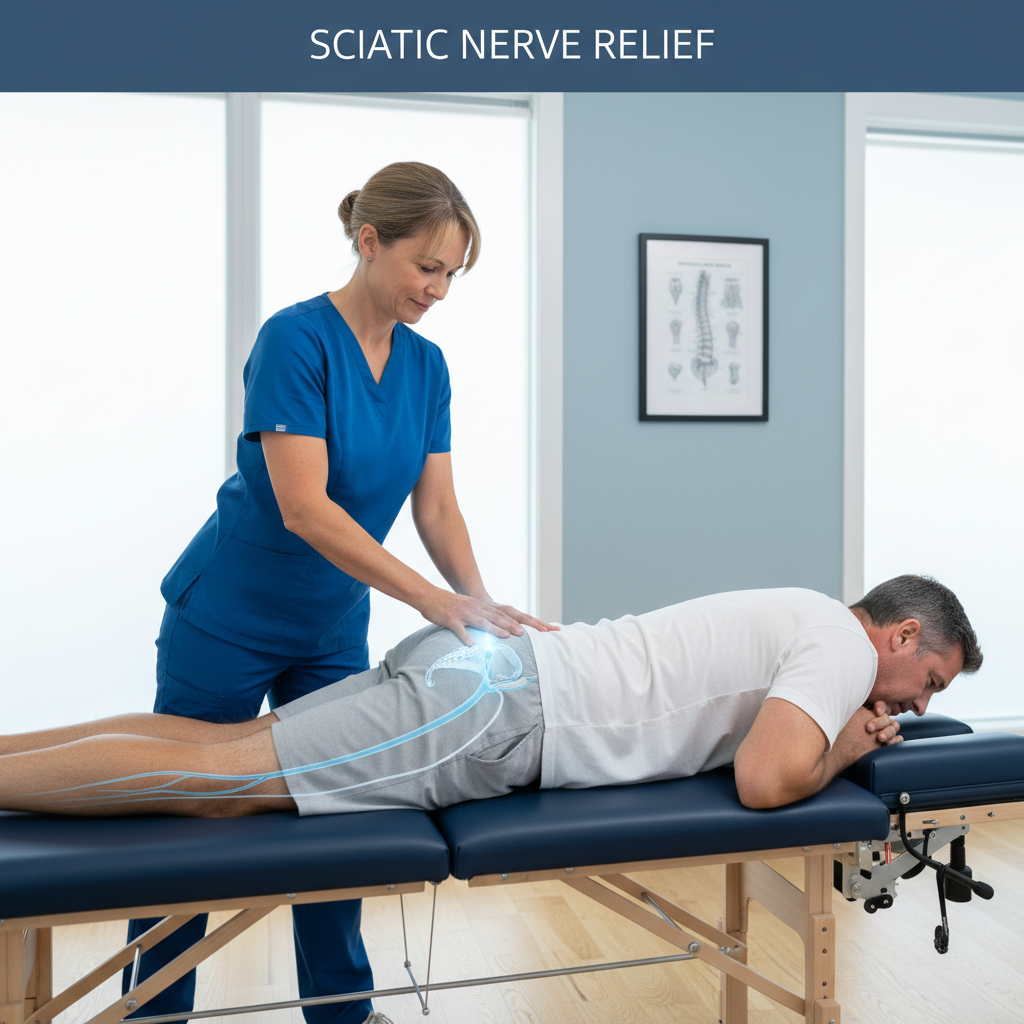
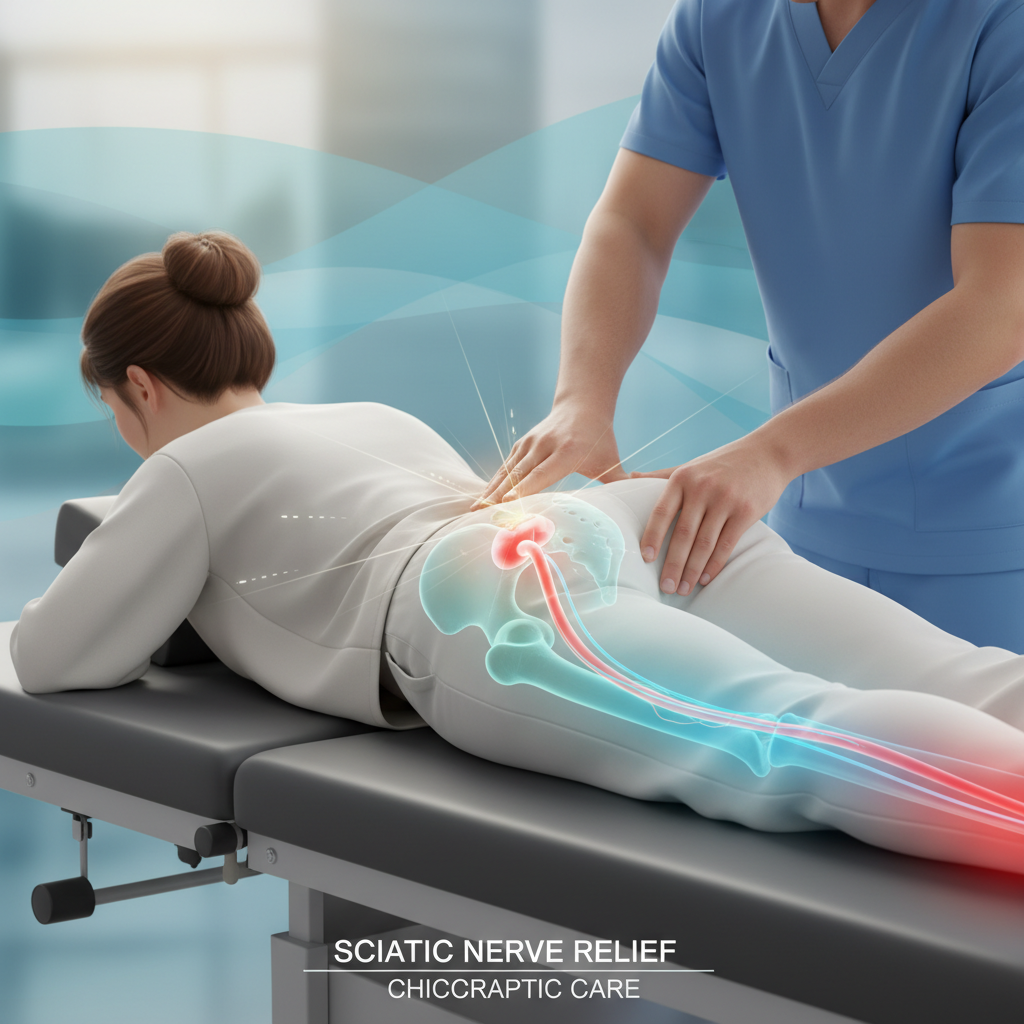
A chiropractic adjustment for sciatica uses precise, controlled forces to improve joint motion and alignment. When joints move more normally, pressure on the nerve roots can decrease and blood flow to the area can improve. Many patients report reduced radiating pain and better mobility as alignment normalizes.
Reducing muscle tension and nerve irritation
Tight, spasming muscles in the low back, hips, and buttocks can compress or irritate the sciatic nerve, as seen in piriformis syndrome [3]. Chiropractors often combine adjustments with soft tissue therapies and stretching to address these muscular contributors.
Targeted work on the piriformis, gluteal muscles, and hip rotators, along with chiropractic therapy for nerve compression, can reduce local pressure and ease leg symptoms.
Supporting disc health and spinal stability
If your sciatica is disc related, such as from a lumbar disc herniation, your chiropractor may use gentle techniques that aim to centralize disc material, reduce inflammation, and support healing. This is a core part of sciatic nerve compression treatment in a chiropractic setting.
Over time, care may include:
- Core stabilization exercises
- Hip and glute strengthening
- Postural retraining and ergonomics
These steps help you maintain the results of treatment and protect your spine from recurring episodes.
What a chiropractic sciatica visit looks like
If you decide to see a chiropractor for sciatica nerve pain, you will move through a structured process designed to identify the cause of your symptoms and build a tailored plan.
Initial evaluation and diagnosis
Your first visit typically includes:
- Detailed health and pain history
- Orthopedic and neurological testing
- Posture and movement assessment
- Review of any existing imaging or reports
Your chiropractor will explain what they find in clear language and discuss whether your case is appropriate for chiropractic care alone or whether you should also consult with a medical doctor or specialist.
Personalized treatment plan
If chiropractic care is recommended, you will work together on a sciatica pain relief plan that may include:
- A schedule of adjustments, especially in the early phase
- Specific stretches to relieve pressure on the nerve
- Strengthening exercises to support your spine and hips
- Advice on sitting, standing, lifting, and sleeping postures
- Guidance on pacing your activities during recovery
This plan is adjusted as you improve. The goal is not only to reduce pain but also to restore function so you can return to work, exercise, and daily life with confidence.
Reassessing progress and adjusting care
Sciatic nerve pain usually improves over several weeks. Many people notice some change in pain or mobility within the first few visits, but lasting improvement takes time as inflammation subsides and tissues heal. Your chiropractor will monitor your progress, and if your symptoms are not responding as expected, you may be referred for further imaging or to another provider.
If you are wondering how long does sciatica take to heal chiropractor, the answer depends on the cause, the severity of nerve compression, and how consistently you follow your care plan. Your chiropractor can give you a personalized timeline based on your condition and response to treatment.
Conservative care is often effective. About 80 to 90 percent of people with sciatica see symptoms improve over time, and stretching and targeted exercises can safely support recovery when used under professional guidance [3].
At home strategies that support chiropractic care
What you do between visits can make a meaningful difference in your recovery and in long term sciatic nerve pain management. Many of these self care strategies are also recommended by medical organizations and can be integrated with a sciatica recovery plan chiropractor.
Stay gently active
Prolonged bed rest is not recommended for sciatica. In fact, staying in bed for more than a day or two can weaken muscles and may worsen symptoms [6]. Continuing your normal activities as much as possible, with appropriate modifications, is encouraged [7].
Short walks and gentle movements can help keep joints mobile and reduce stiffness. Movement is considered critical in managing sciatic nerve pain and can lower the risk of recurrence [6].
Use heat and ice wisely
Cold packs on your lower back for 15 to 20 minutes at a time, with equal breaks, can reduce inflammation in the first few days of a flare up. Always wrap ice in a cloth to avoid skin damage [6].
Once acute pain begins to settle, heat from a hot water bottle, heating pad, or warm bath can increase blood flow and relax muscles. This can make it easier to perform gentle stretches that your chiropractor or physical therapist recommends [6].
Stretch and strengthen safely
Specific stretches and exercises can open your hips, create more space in the spine, and loosen tight muscles that may press against the sciatic nerve. Examples include:
- Seated glute stretch
- Sitting spinal twist
- Standing hamstring stretch [3]
Exercises such as glute bridges, lying knee to chest, clamshells, bird dog, cobra stretch, and child’s pose can help treat and prevent mild sciatica and can often be done at home [4].
Your chiropractor can integrate these into a natural sciatica pain relief chiropractor plan and show you how to do them without aggravating your symptoms.
Protect your spine during daily activities
Reducing strain on your back decreases the likelihood of future flare ups. To lower your risk of recurring sciatic nerve pain, it helps to:
- Use safe lifting techniques, especially at work
- Maintain good posture when sitting and standing
- Set up your desk and computer at appropriate heights
- Avoid sitting or lying down for long periods, even if you have some pain [7]
- Stay active with regular exercise and maintain a healthy weight
- Avoid smoking, which can affect disc and bone health [7]
Your chiropractor can review your habits and help you adjust your environment as part of a comprehensive sciatica treatment without surgery strategy.
When chiropractic care is appropriate, and when it is not
Chiropractic care is typically considered a good option if:
- You have radiating leg pain, numbness, or tingling without red flag symptoms
- Imaging and exam findings are consistent with mechanical causes like disc issues or joint dysfunction
- You prefer non invasive sciatica treatment options before injections or surgery
- You are willing to participate in home care, exercises, and posture changes
Mild to moderate cases often respond well to chiropractic treatment for lumbar sciatica and related approaches. Physical therapy and chiropractic care are commonly recommended before more aggressive treatments such as steroid injections or surgery when there is no urgent nerve damage [8].
Chiropractic care may not be appropriate as a primary treatment if:
- You have significant or progressive leg weakness
- You experience changes in bladder or bowel control
- You have unexplained fever, weight loss, or a history of cancer together with back or leg pain
- Imaging reveals a condition that clearly requires surgery, such as severe spinal instability or serious compression
In these situations, you should be evaluated by a medical specialist. Surgery is generally reserved for cases where pain is severe or persistent despite conservative treatments, or where there is a risk of permanent nerve damage [9]. Your chiropractor can coordinate with your medical team to ensure you receive the right level of care and, when safe and appropriate, can support your recovery before and after medical interventions.
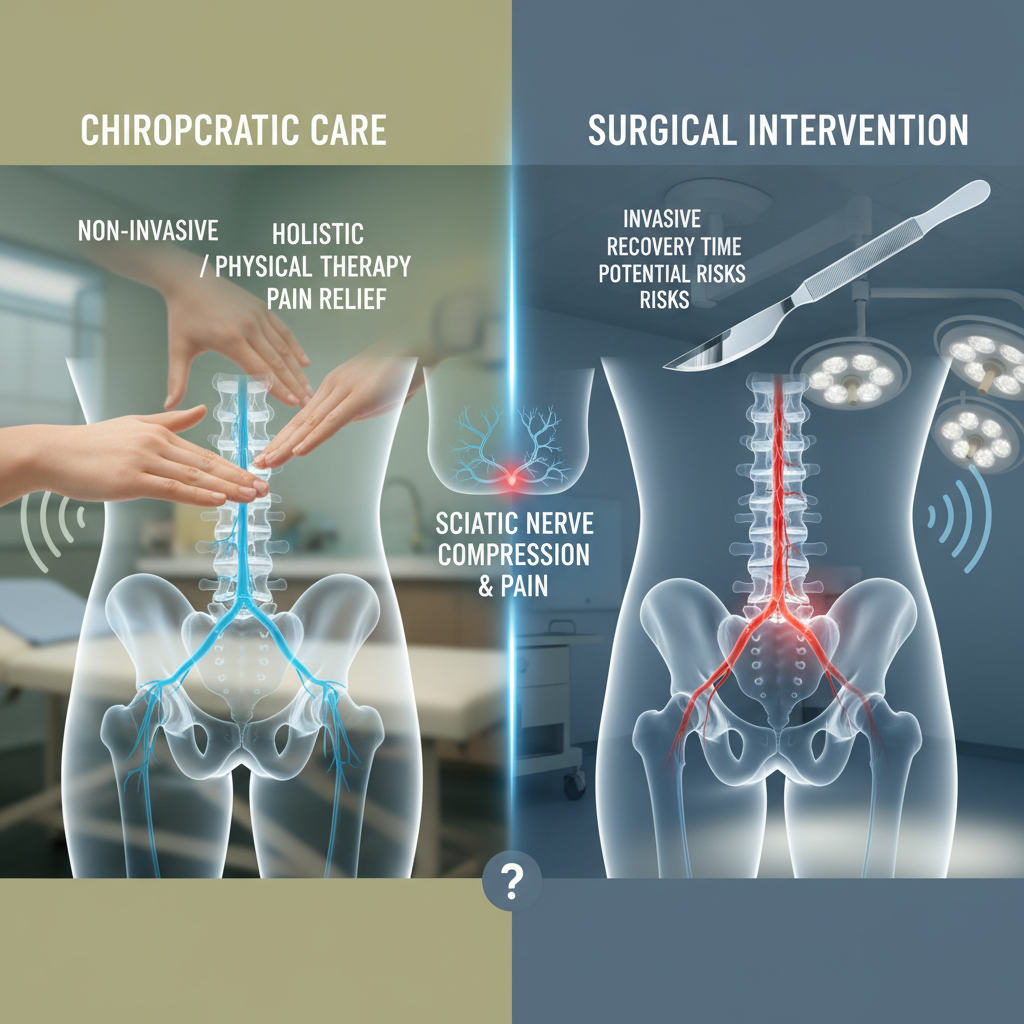
If you are weighing chiropractic vs surgery for sciatica, a thoughtful conversation with both a chiropractor and a spine specialist can clarify your options.
Setting realistic expectations for recovery
Every case of sciatica is different, but there are common patterns to recovery:
- Many people begin to feel some improvement within a few weeks of starting conservative care
- Mild cases may resolve in four to six weeks, especially with consistent self care and treatment [10]
- More severe or recurrent cases can take several months to fully stabilize, particularly if there is significant disc involvement [2]
If your symptoms are lasting more than a week or two, or if they are interfering with work or sleep, it is wise to seek a professional assessment. Early treatment increases the likelihood of a good outcome and may prevent chronic problems [4].
Working with a chiropractor for pinched nerve sciatica can give you a structured plan instead of guessing what might help. As you progress, your plan is refined into long term strategies that keep your spine healthy and reduce the chance of future flare ups.
Putting your sciatic nerve pain management plan together
Effective sciatic nerve pain management is rarely a single treatment. It is a coordinated approach that addresses:
- The source of nerve compression, through chiropractic adjustments and targeted therapies
- Inflammation and muscle tension, through manual care, heat or ice, and stretching
- Movement patterns and posture, through exercise and ergonomic changes
- Lifestyle factors that affect your spine, such as activity level and work demands
If you are living with radiating leg pain or numbness and want to explore sciatica relief without injections or surgery, a focused evaluation with a chiropractor who understands how chiropractors treat sciatica can be an important next step.
With a clear diagnosis, a customized sciatica recovery plan chiropractor, and your active involvement in self care, you give your body the best chance to heal, restore function, and protect your sciatic nerve for the long term.