What sciatica is and why healing time varies
If you are searching for how long sciatica takes to heal with a chiropractor, you are probably dealing with burning, stabbing, or electric pain that shoots from your lower back into your hip, leg, or foot. You may also feel tingling, numbness, or weakness that makes it hard to stand, walk, or sleep.
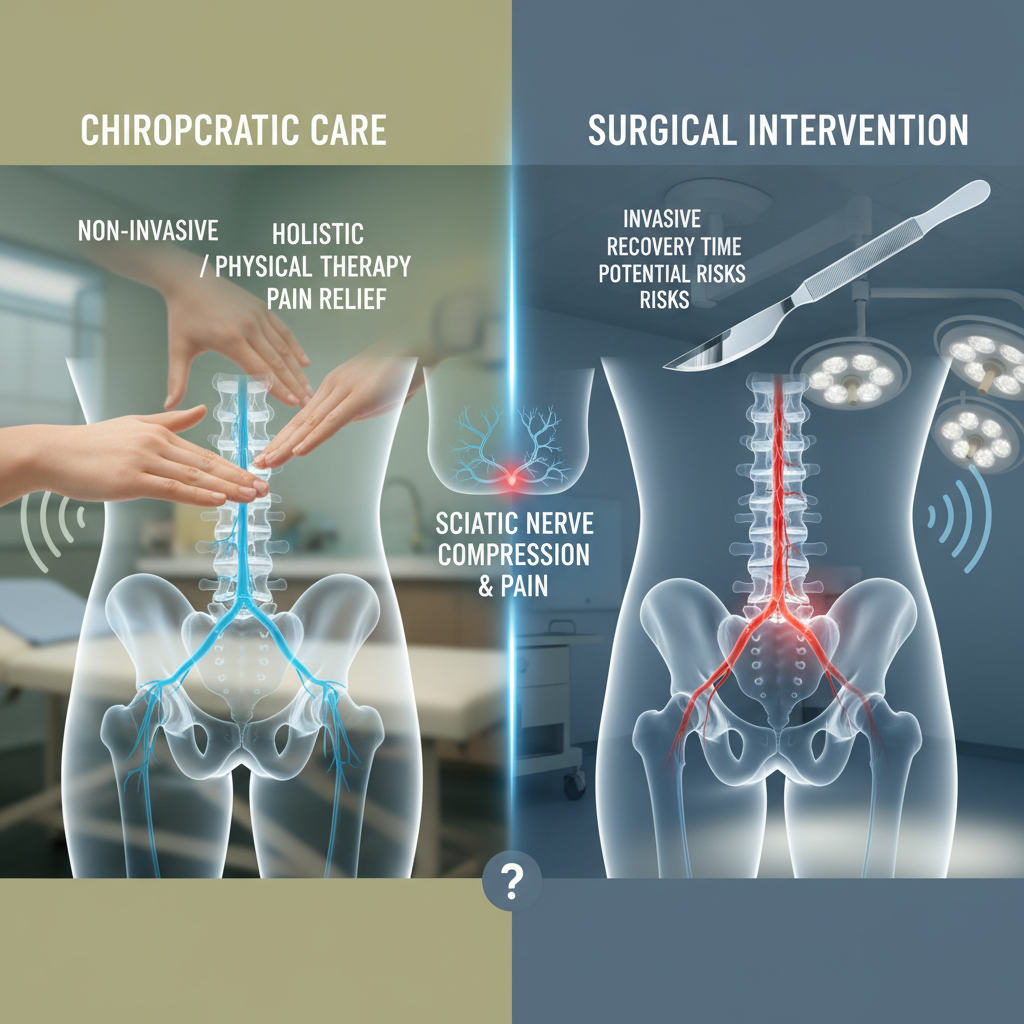
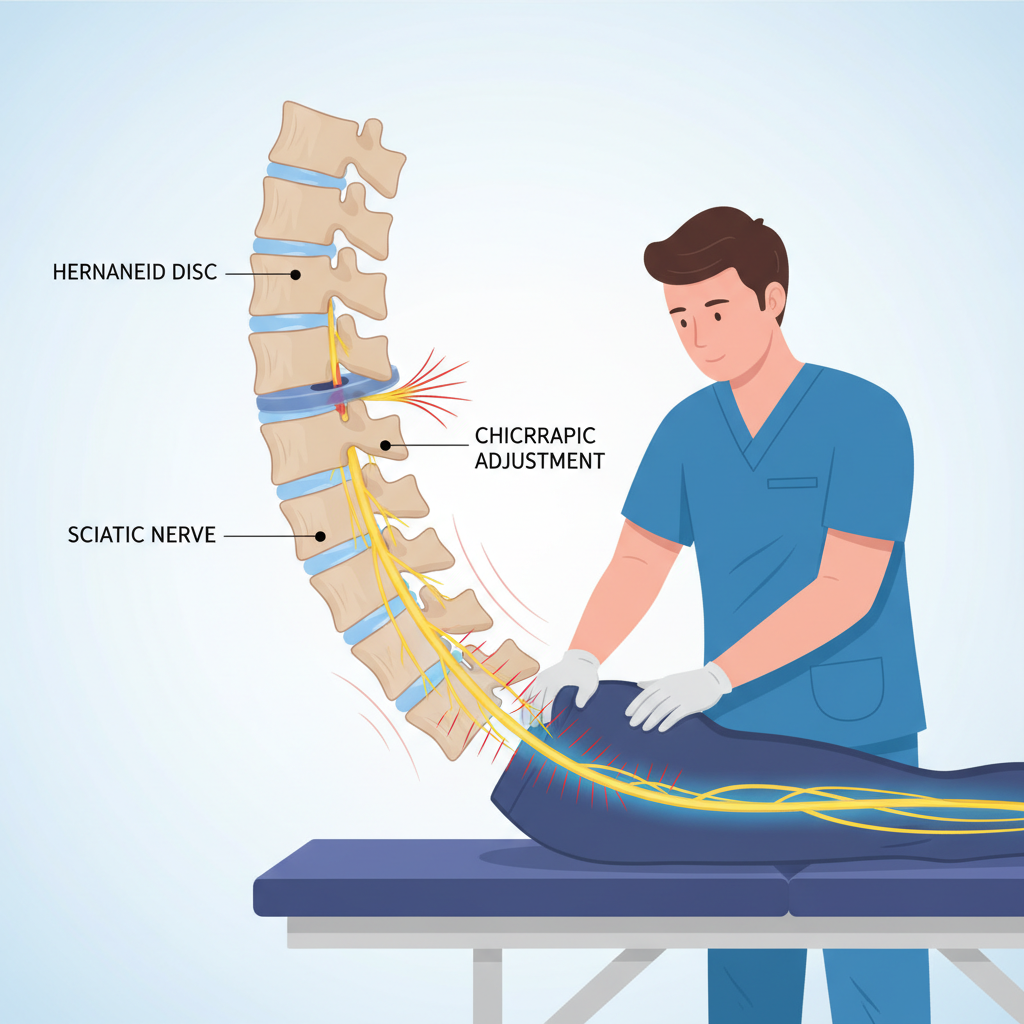
Sciatica is not just general back pain. It is irritation or compression of the sciatic nerve, usually where the nerve roots leave your lower spine. When one of these nerve roots is squeezed or inflamed, it can send pain and abnormal sensations anywhere along the nerve’s path.
How long sciatica takes to heal with chiropractic care depends on several key factors:
- How long you have had symptoms
- What is compressing the nerve
- How irritated and inflamed the nerve is
- How consistently you follow your treatment and home care plan
Some people feel early relief within the first week or two of chiropractic care, while others need several weeks or months of steady treatment for more stubborn or chronic sciatica to improve [1].
Understanding what is really happening to the nerve helps you set realistic expectations and avoid the frustration of expecting instant results.
How sciatica develops from nerve compression
Sciatica usually develops because something is irritating or mechanically compressing the sciatic nerve roots in your lower back.
Common mechanical causes
Typical structural causes include:
- Lumbar disc herniation or bulge that presses against a nerve root
- Degenerative disc changes that narrow the space around the nerve
- Facet joint dysfunction or misalignment that crowds the nerve exit
- Muscle guarding and spasm that increase pressure and inflammation around the nerve
When a vertebra or disc shifts from its ideal position, it can narrow the small canal where the nerve exits. Chiropractic care targets these mechanical problems by carefully improving joint motion and spinal alignment, which reduces pressure on the nerve over time [1].
Inflammation and nerve sensitivity
Compression is only part of the story. Irritation of the nerve triggers inflammation in the surrounding tissues. Swelling and chemical irritation can:
- Increase the intensity of pain signals
- Cause tingling, numbness, or burning
- Make the nerve extremely sensitive to movement or pressure
As your chiropractor works to restore alignment and motion, the goal is to decrease both the compression and the inflammatory response so the nerve can heal.
If your primary concern is avoiding surgery, understanding this mechanical and inflammatory cycle is essential. Chiropractic is often used as sciatica treatment without surgery and as part of a broader sciatic nerve pain management plan.
What sciatica feels like and when to seek help
Sciatica can look and feel very different from person to person, which is one reason healing times vary.
Typical sciatica symptoms
You might notice:
- Radiating pain from the lower back into the buttock, thigh, calf, or foot
- Numbness or tingling that follows a line down one leg
- Sharp, electric, or burning pain that worsens with sitting, coughing, or bending
- Weakness when trying to lift your foot, stand on your toes, or climb stairs
Many people first look for a radiating leg pain chiropractor or help for leg pain from sciatica chiropractor when these symptoms begin to interfere with work, driving, or sleep.
Red flag symptoms
Chiropractic care is designed for conservative, non invasive management. However you should seek urgent medical evaluation before or alongside chiropractic care if you notice:
- Loss of bowel or bladder control
- Progressive leg weakness or sudden inability to lift the foot
- Severe trauma such as a fall from height or car accident followed by nerve symptoms
- Fever or unexplained weight loss with back and leg pain
These may indicate a condition that needs emergency imaging or surgical consultation before any manual treatments are started.
How chiropractors evaluate sciatica before treatment
A thorough evaluation helps your chiropractor determine whether chiropractic care is appropriate and what kind of recovery timeline you can reasonably expect.
History and physical examination
During your nerve pain chiropractor evaluation, you can expect:
- Detailed questions about when your symptoms started, what worsens or eases them, and any previous injuries
- Neurological testing for strength, reflexes, and sensation in the legs and feet
- Orthopedic tests that stress specific joints and discs to pinpoint the source of compression
- Posture and movement assessment to identify faulty patterns that may be irritating the nerve
This step is essential for differentiating true sciatic nerve compression from other issues that mimic sciatica.
Imaging when needed
If your symptoms are severe, long lasting, or show neurologic deficits, your chiropractor may recommend imaging, such as an MRI, to visualize discs and nerve roots. This is especially important if you are weighing chiropractic vs surgery for sciatica and want to avoid injections or surgery as long as it is safe to do so.
How chiropractic care treats sciatic nerve compression
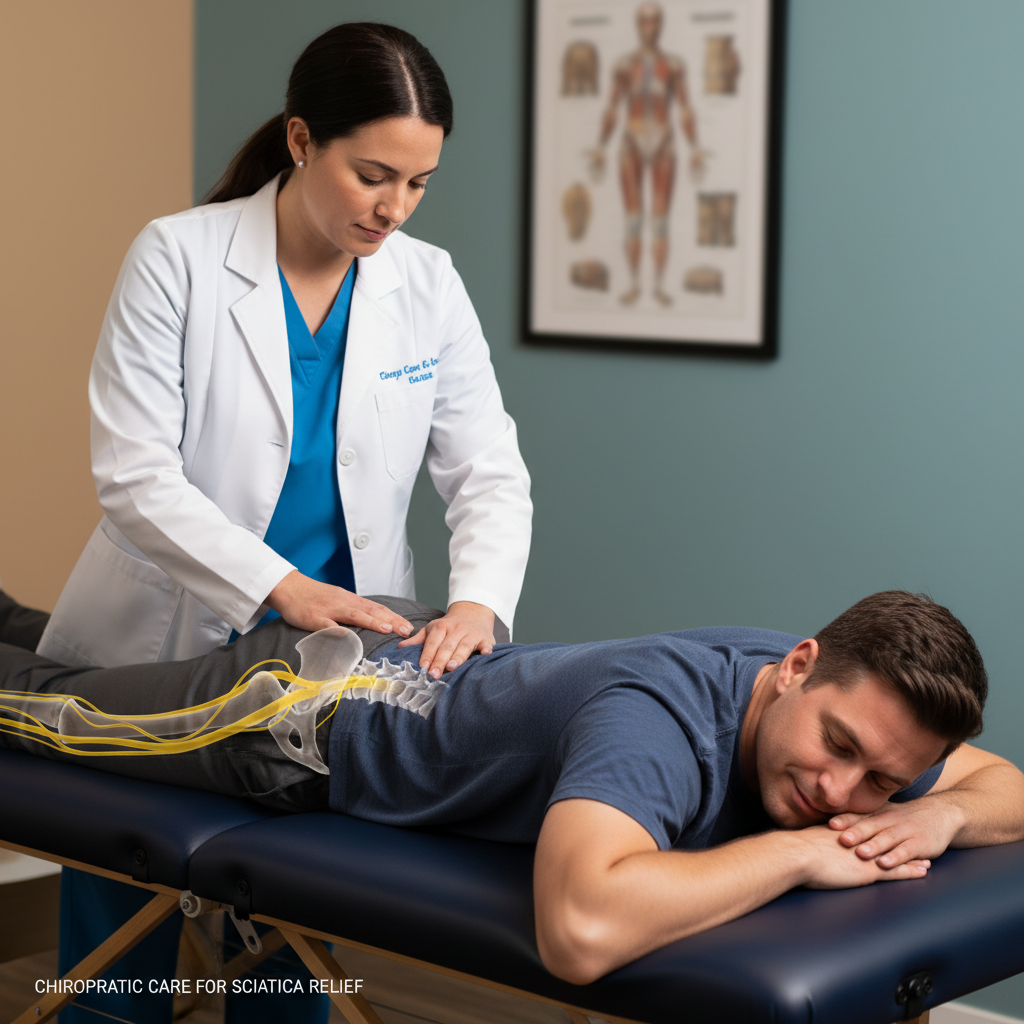
Chiropractic care focuses on improving spinal mechanics and reducing nerve irritation without drugs or needles. This is why so many people seek a chiropractor for sciatica nerve pain before considering injections or surgery.
Core treatment approach
A typical chiropractic treatment for lumbar sciatica or chiropractic therapy for nerve compression may include:
- Gentle spinal adjustments to restore normal joint motion and alignment
- Specific chiropractic adjustment for sciatica techniques designed to reduce pressure on the affected nerve root
- Flexion distraction or spinal decompression methods to create more space for the nerve
- Soft tissue techniques to calm tight or guarding muscles
- Guidance on posture, ergonomics, and safe activity levels
Professional adjustments aim to return displaced vertebrae to more neutral positions, which reduces mechanical pressure on the sciatic nerve and supports natural healing [1].
Phases of chiropractic care for sciatica
Several chiropractic sources describe three broad phases of care that influence how long recovery takes:
-
Initial relief phase
Focuses on decreasing acute pain, muscle spasm, and inflammation. You may need more frequent visits here. The most dramatic pain reduction often appears in the first one to two weeks of care for many people [1]. -
Corrective phase
Works on stabilizing spinal alignment and improving mobility. Visit frequency may gradually decrease as your pain improves but your joints and soft tissues still need retraining. -
Strengthening and stabilization phase
Lasts several weeks to months. You build core and hip strength, improve posture, and reinforce new movement patterns to help prevent flare ups. This is crucial for long term sciatic nerve pain management and relapse prevention [1].
Throughout these phases, responsible chiropractors use controlled, gradual techniques and adjust your care based on your feedback. This slower, steady approach minimizes the risk of flare ups and aims for lasting improvement rather than quick, aggressive fixes [2].
How long sciatica takes to improve with a chiropractor
When you ask how long sciatica takes to heal with chiropractic care, what you really need is a realistic range rather than a single number. Healing timelines vary, but research and clinical guidance provide some useful benchmarks.
Typical early improvement
Several chiropractic and health sources report that:
- Many people start noticing some reduction in pain, tingling, or numbness within the first week or two of consistent chiropractic care [3]
- The most dramatic decrease in pain often occurs in the first two weeks, especially during the initial relief phase [1]
- Most individuals experience significant relief after about four to six weekly adjustments, according to clinical experience shared by Doc Tony Clinics in Florida [4]
Patients frequently report reduced leg pain, less frequent stabbing episodes, and improved ability to stand or walk as alignment is restored and nerve pressure decreases [5].
Time to get back to normal activities
For many people:
- Substantial improvement for everyday activities, including light work and normal walking, often happens within 4 to 8 weeks of regular care
- Full return to more strenuous exercise can take around two months for some sciatica patients under chiropractic treatment [4]
- Chronic or long standing sciatica can require several months of treatment and strengthening before you feel fully stable and confident [3]
This range assumes you are following a structured sciatica pain relief plan and coming to appointments consistently.
Why your timeline might be shorter or longer
Several factors influence your healing speed:
-
Duration of symptoms
Newer cases often respond faster. The longer the nerve has been compressed, the more time it typically needs to recover [2]. -
Underlying cause
Mild joint misalignments and muscle irritation may respond faster than large disc herniations or advanced degenerative changes. If your sciatica is clearly linked to a disc issue, a sciatica caused by disc chiropractor approach will likely involve a longer, carefully staged plan. -
Activity level and lifestyle
Sitting for long periods, heavy lifting at work, or poor ergonomics can slow healing. For many patients, integrating non invasive sciatica treatment options like targeted exercises, posture correction, and ergonomic changes is essential for durable progress [3]. -
Consistency with care
Skipping visits or not following home care instructions can stretch out your recovery time.
The key is to look for a steady downward trend in symptom intensity and frequency over several weeks. Gradual improvement, not instant relief, is usually a sign that chiropractic treatment is working safely and effectively [2].
Why symptoms sometimes feel worse before they feel better
It can be unsettling if your pain changes or briefly worsens after starting chiropractic care. This does not automatically mean your sciatica is getting worse.
Temporary increases in pain or awareness of symptoms are common in the early phase of chiropractic treatment, especially during the first few visits. When joints begin to move more freely and alignment improves, sensitive nerves and tissues may react while they adapt to new patterns of movement [2].
According to Ashburn Village Chiropractic:
- Early flare ups usually occur within the first few visits
- Symptoms often fluctuate day to day rather than worsening steadily
- Overall, symptoms should trend downward over time, even with occasional bad days
Open communication with your chiropractor is vital here. They can adjust techniques, modify visit frequency, and add supportive methods like ice, specific exercises, or soft tissue work if you experience increased soreness.
What your sciatica recovery plan with chiropractic may include
Chiropractic care for sciatica is rarely just about adjustments. A comprehensive sciatica recovery plan chiropractor will usually combine multiple strategies tailored to your condition.
Non invasive therapies commonly used
Your personalized plan may draw from several non invasive sciatica treatment options, such as:
- Targeted spinal adjustments and mobilizations
- Spinal decompression or flexion distraction for disc related compression
- Soft tissue therapy for tight lumbar and hip muscles
- Guided stretching and core strengthening exercises
- Ergonomic coaching for work, driving, and sleep
- Home care recommendations for ice or heat, activity pacing, and movement breaks
Alliance Orthopedics notes that chiropractic care for sciatica can also include spinal decompression, dry needling, and soft tissue manipulation, all aimed at improving alignment and reducing nerve pressure while you adopt healthier movement and posture habits [3].
Natural relief and lifestyle changes
Many people are specifically looking for natural sciatica pain relief chiropractor options that avoid medication dependence. Chiropractic care is generally considered safe for sciatica and is often sought out because it offers drug free pain relief through manual therapies [6].
As your symptoms improve, you may also be encouraged to:
- Stay active with walking or low impact exercise rather than prolonged rest
- Maintain a healthy body weight to reduce load on your spine
- Improve workplace ergonomics and avoid prolonged sitting
- Incorporate regular stretching for your hips, hamstrings, and lower back
These habits support chiropractic care for nerve inflammation and can significantly reduce the chance of future flare ups.
Key point: Early chiropractic care, combined with lifestyle changes like exercise and posture correction, is linked with better long term outcomes and lower reliance on medications for sciatica relief [7].
When chiropractic is appropriate before injections or surgery
If you want sciatica relief without injections or surgery, it is reasonable to explore conservative options first in many cases, provided there are no red flag symptoms.
Role of chiropractic before more invasive care
Healthline notes that sciatica often resolves on its own within several weeks, but when it does not, seeing a medical professional, including a chiropractor, is advisable to avoid potential permanent nerve damage [6].
Chiropractic care is typically suitable before injections or surgery when:
- You do not have red flag symptoms like loss of bowel or bladder control
- Your pain and weakness, while significant, are stable rather than rapidly progressing
- Imaging does not show an immediate surgical emergency
- You prefer a non invasive, drug free approach initially
For many people, chiropractic care serves as the cornerstone of chiropractic care for nerve pain and sciatic nerve compression treatment, while keeping more invasive options available if conservative care does not achieve adequate relief.
Limits of the evidence and when to reassess
Healthline also points out that although there are many positive reports, evidence from small studies on chiropractic’s effectiveness specifically for sciatica is limited and sometimes conflicting [6]. This means your chiropractor should:
- Monitor your progress closely
- Reassess your condition if you do not see meaningful improvement within a reasonable period
- Coordinate with your medical doctor if your symptoms worsen or plateau despite treatment
If your recovery is slower than expected, you and your chiropractor can discuss whether additional imaging, pain management options, or surgical consultation is appropriate.
What a realistic healing journey looks like
Understanding how long sciatica takes to heal with chiropractic care helps you set expectations and stay committed to the process. In many cases, a realistic journey may look like this:
-
Week 1 to 2
Frequent chiropractic visits. Pain may start to ease, but you could have occasional flare ups. You begin gentle movement and modify activities. -
Week 3 to 6
Pain episodes become less frequent and less intense. You regain mobility, can sit or stand longer, and sleep better. Visit frequency may start to decrease. You focus more on exercises and posture retraining. -
Month 2 and beyond
You return to most or all normal activities. Occasional mild discomfort appears with heavy use or prolonged sitting, but you know how to manage it. You continue periodic maintenance care and home exercises to keep the spine stable and reduce the risk of recurrence.
Throughout this process, your chiropractor acts as your guide for chiropractor for pinched nerve sciatica, adjusting treatment as your body responds.
Sciatica can be disruptive and discouraging, but with a structured plan, clear communication, and consistent effort, many people achieve meaningful relief and return to the activities that matter to them without injections or surgery.