What is sciatica and why does it hurt so much?
If you are searching for a natural sciatica pain relief chiropractor, you are likely dealing with burning, shooting, or aching pain that runs from your lower back into your hip, buttock, or down your leg. That pattern is classic for sciatica.
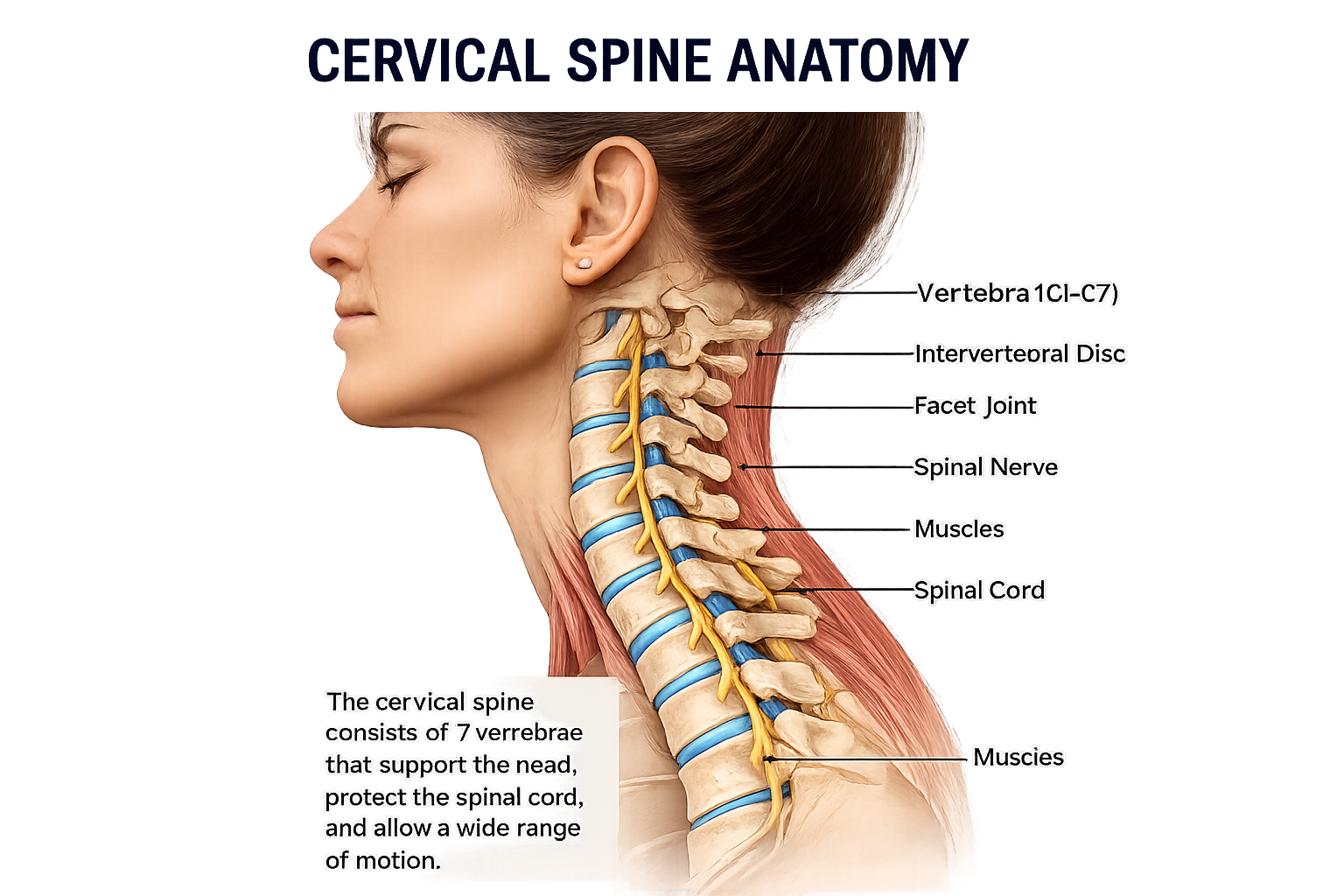
Sciatica is not a disease by itself. It is a type of nerve pain that happens when your sciatic nerve is irritated, compressed, or inflamed. The sciatic nerve starts in your lower spine, passes through your hips and buttocks, and travels down each leg. When something pinches or inflames this nerve, you feel it anywhere along that path, not just in your back.
According to the Cleveland Clinic, sciatica often causes pain, numbness, or tingling in the lower back, buttocks, and legs, and it can be managed with stretching, medication, or physical therapy depending on severity [1]. For many adults, conservative, non invasive care like chiropractic is the next logical step before injections or surgery.
A natural sciatica pain relief chiropractor focuses on relieving that nerve irritation, improving how your spine moves, and helping your body heal without relying on long term medication or invasive procedures.
How sciatic nerve compression develops
Understanding what is actually pressing on the nerve makes it easier to see how chiropractic care can help.
Common causes of nerve compression
Several structural issues can irritate or compress the sciatic nerve:
- Herniated or bulging lumbar disc that pushes into the nerve root
- Degenerative disc changes that narrow the space where nerves exit
- Spinal misalignment that alters joint mechanics and stresses nerve tissue
- Tight muscles or joint dysfunction in the pelvis and hips
- Bone spurs that narrow the spinal canal or nerve openings
Sciatica often starts when a disc in your lower back protrudes or herniates. In a well designed clinical trial, patients with disc protrusion and sciatica experienced significantly better pain relief from active chiropractic spinal manipulation than from simulated manipulation [2]. This highlights how correcting mechanical problems in the spine can directly affect nerve pain.
Why the pain radiates down your leg
The sciatic nerve is like a thick cable made of many smaller nerve fibers. If one of the nerve roots that forms this cable is compressed, you may feel:
- Sharp, electric, or burning pain down the leg
- Numbness or tingling in the calf, foot, or toes
- Weakness when you try to lift your foot or stand on your toes
This pattern is different from simple muscle strain. It follows the path of the nerve, which is why you might feel worse when you sit, bend, or twist, and sometimes better when you lie down or walk.
If any of this sounds familiar, exploring sciatica treatment without surgery and other natural options can be an important next step.
Signs and symptoms that suggest sciatica
Not all leg pain is sciatica, and not all back pain requires the same type of care. You are more likely dealing with sciatic nerve compression if you notice:
- Pain that starts in your lower back or buttock and travels down one leg
- Numbness, tingling, or a “pins and needles” feeling in the leg or foot
- Pain that worsens with sitting, coughing, or bending forward
- Muscle weakness in one leg or difficulty moving the foot or ankle
- A burning or electric shock like pain, rather than a dull ache
The Cleveland Clinic notes that mild symptoms often respond to self care, including stretching and physical therapy exercises, which are non invasive and aim to improve movement while reducing pain [1]. When those steps are not enough, a chiropractor experienced with radiating leg pain can help determine whether your pain truly comes from sciatic nerve compression.
If you ever notice red flag symptoms, such as loss of bowel or bladder control, severe progressive weakness, or numbness in the groin area, you should seek emergency medical care immediately. These signs suggest a serious condition that needs urgent specialist attention, not routine chiropractic care.
How a chiropractor evaluates sciatic nerve pain
A natural sciatica pain relief chiropractor starts with careful evaluation, not with a quick adjustment. The goal is to confirm that your symptoms match sciatic nerve compression and to rule out problems that require medical or surgical care.
History and physical examination
During a nerve pain chiropractor evaluation, you can expect your chiropractor to:
- Discuss when and how your pain started, and what makes it better or worse
- Ask about previous injuries, medical conditions, and any prior imaging
- Check your posture, gait, and spinal alignment
- Test your reflexes, strength, and sensation in both legs
- Perform orthopedic and neurological tests that put gentle, controlled stress on the sciatic nerve to see how it responds
This detailed exam helps pinpoint which structures are involved, for example a specific lumbar disc level, sacroiliac joint, or hip.
Healthline explains that chiropractic care often includes X rays and personalized exercises, and it focuses on treating the whole body rather than just relieving pain in one spot [3]. That broader view is especially important when your daily habits or posture are part of the problem.
Imaging and referral when needed
Many cases of sciatica can be managed without immediate MRI or CT scans, especially if red flags are absent and your exam is consistent with a straightforward disc or joint issue. If your symptoms are severe, not improving, or do not match your physical findings, your chiropractor may:
- Order imaging to clarify what is compressing the nerve
- Coordinate with your primary care physician or a spine specialist
- Refer you promptly if surgery, injections, or other advanced care might be appropriate
A responsible chiropractor understands when conservative care is appropriate and when you need a different level of intervention.
How chiropractic care naturally relieves sciatic pain
When you work with a natural sciatica pain relief chiropractor, the focus is on realigning your spine and joints, calming inflammation, and improving nerve function, while avoiding dependence on medication or invasive procedures.
Spinal adjustments to reduce nerve pressure
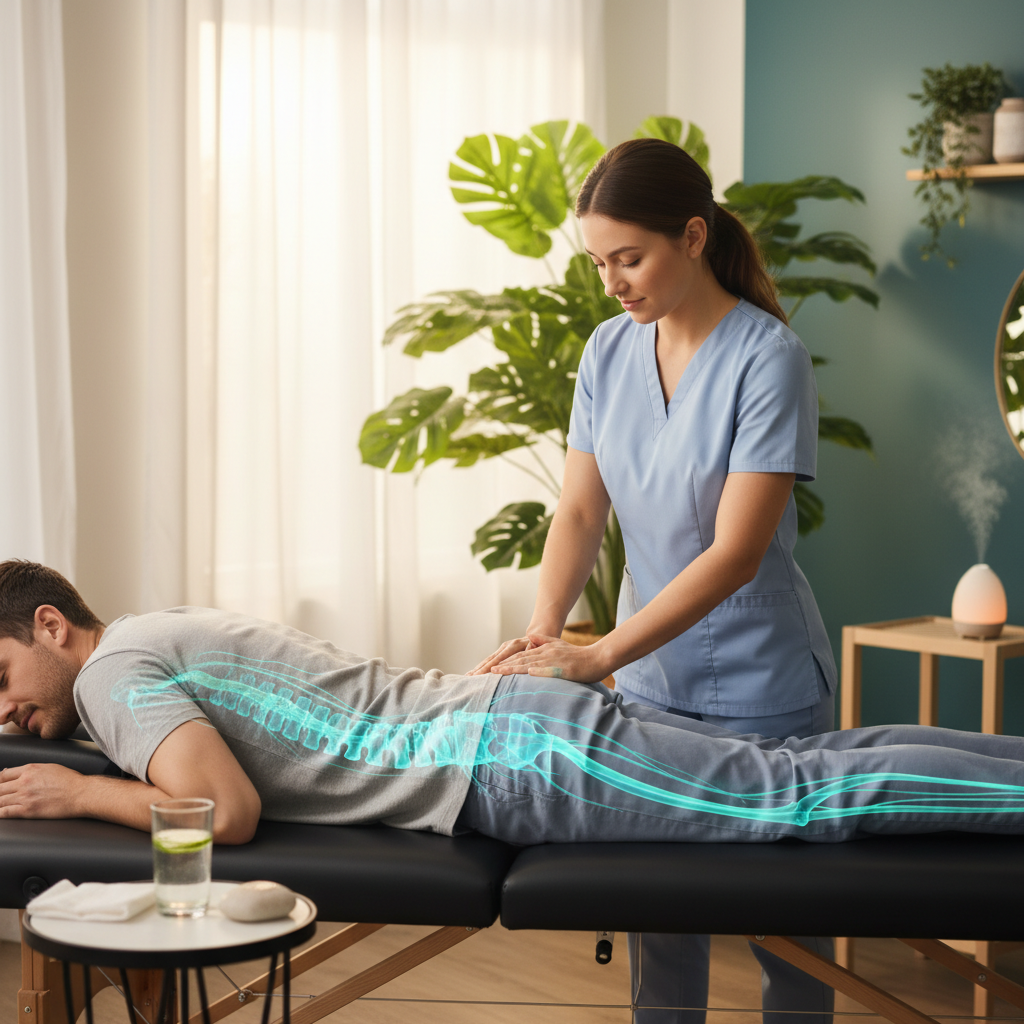
Chiropractic spinal manipulation uses a controlled, quick force to specific joints in your spine. The goal is to restore normal joint movement, improve alignment, and reduce the mechanical pressure placed on irritated nerve roots.
In a randomized double blind clinical trial of patients with acute back pain and sciatica due to disc protrusion, those receiving active chiropractic spinal manipulations had:
- A higher percentage of pain free patients for both local and radiating pain
- Fewer total days with pain and fewer days with moderate or severe pain
- Lower pain scores on visual analog scales
These improvements were significantly better than those in the group that received simulated manipulation, and there were no reported adverse events, suggesting this approach is both effective and safe for many patients [2]. This type of evidence supports the value of chiropractic adjustment for sciatica when disc related compression is the primary cause.
Soft tissue and supportive therapies
Most chiropractors do more than adjustments. For natural sciatica pain relief, a typical plan may also include:
- Ice or cold therapy to reduce inflammation and numb sore tissues, offering short term relief during painful flare ups [4]
- Ultrasound therapy, which uses sound waves to create gentle heat in deeper tissues, improving circulation, reducing muscle spasms, and easing sciatic pain [4]
- Targeted stretches and strengthening exercises to support the spine, improve posture, and lower your risk of future flare ups [4]
By combining joint work and soft tissue care, your chiropractor addresses both the root mechanical cause and the painful muscle guarding that often accompanies sciatica.
Holistic, lifestyle focused care
Many chiropractors take a whole person approach. As Reno Spine Care notes, chiropractic sciatica treatment often includes evaluating your health history, diet, and activity level, and addressing posture, uneven weight distribution, and daily habits that stress your spine [5].
Over time, correcting these patterns can:
- Improve overall posture and spinal stability
- Reduce recurring nerve irritation
- Support healthier metabolism and emotional well being, since chronic pain can affect mood and energy [5]
If you are looking for non invasive sciatica treatment options, this combination of adjustments, therapy, and lifestyle coaching provides a comprehensive alternative to a purely medication based approach.
Many patients describe the “cracking” sound during spinal adjustments as similar to knuckle popping, and report relief afterward rather than pain, as Reno Spine Care explains [5].
Benefits of choosing a natural sciatica pain relief chiropractor
When you choose a chiropractor who specializes in sciatica and favors natural methods, you gain several specific advantages.
Drug free pain management
Chiropractic care aims to relieve pain without relying on opioids or other strong medications. Healthline notes that chiropractic is a popular natural treatment option for sciatica and is generally considered safe as of 2024 [3].
A 2025 study found that people with sciatica who received chiropractic spinal manipulation instead of opioids had fewer side effects and reduced opioid use one year after treatment, compared to those who received standard medication [3]. For many adults, this is a key reason to pursue sciatica relief without injections or long term drugs.
Non surgical approach that targets the cause
Chiropractic treatment focuses on the structures that are actually compressing the nerve. By realigning vertebrae, restoring proper joint motion, and improving muscle balance, a chiropractor works to:
- Unpinch or decompress the affected nerve
- Even out muscle pull and reduce joint overload
- Improve spinal mechanics during everyday activities [5]
This is different from simply masking pain. If you are comparing chiropractic vs surgery for sciatica, many guidelines reserve surgery for cases that do not respond to conservative care or that involve serious neurological deficits. For most people, it makes sense to try a structured, natural care plan first.
Personalized, holistic care
Because sciatica can stem from disc problems, posture, work demands, or old injuries, you need a plan that fits your specific situation. A natural sciatica pain relief chiropractor will typically:
- Tailor chiropractic therapy for nerve compression to the exact area and cause of your symptoms
- Integrate chiropractic care for nerve inflammation with exercises, ergonomic advice, and home strategies
- Provide a step by step sciatica pain relief plan that includes both in office and at home actions
This individualized approach increases the likelihood of lasting relief and lower recurrence.
What treatment looks like for different sciatica causes
Your experience with a chiropractor will vary depending on what is compressing your sciatic nerve.
Disc related sciatica
If you have sciatica caused by a herniated or bulging disc, sometimes called sciatica caused by disc, your chiropractor might focus on:
- Specific lumbar adjustments to improve motion around the affected disc
- Techniques that reduce disc pressure and encourage better disc positioning
- Exercises that stabilize your core and support your lower back
Research suggests that spinal manipulation can reduce pain and improve function in disc related sciatica, both in controlled trials and in real world chiropractic practice [6].
Joint and posture related sciatica
If your symptoms come from joint dysfunction or poor posture rather than a major disc herniation, treatment might emphasize:
- Pelvic and sacroiliac joint adjustments to rebalance weight distribution
- Hip mobility work and stretching of tight muscles that irritate the nerve
- Workplace or lifestyle changes to reduce prolonged sitting or awkward lifting
This is especially important if you primarily notice symptoms during certain positions or activities. Addressing those patterns is central to sustainable sciatic nerve pain management.
Chronic nerve irritation and inflammation
When sciatica has been present for a long time, the nerve itself can become more irritable. In those cases, a natural sciatica pain relief chiropractor may combine gentle manual care with:
- Low force or instrument assisted adjustments
- Gradual, structured exercise progression
- Strategies to improve sleep, stress levels, and overall recovery
Healthline notes that while evidence for chiropractic in nerve pain is mixed, many patients report meaningful relief from sciatica through consistent treatment [3]. The key is to match the intensity of care to the sensitivity of your nervous system.
Recovery timelines and what you can expect
One of the most common questions is how long it will take to feel better once you begin chiropractic care.
Typical recovery progression
The Cleveland Clinic reports that mild sciatica may improve with self care and targeted exercise over a few weeks [1]. With chiropractic care, your timeline will depend on factors such as:
- How long you have had symptoms
- Whether there is a significant disc herniation
- Your age, general health, and activity level
- How consistently you follow your home care plan
Many patients start to notice improvement in pain and mobility within several visits, especially if they follow advice on activity, posture, and stretching. Your chiropractor can walk you through expectations in more depth, similar to the guidance in how long does sciatica take to heal chiropractor.
Importance of early and consistent care
Reno Spine Care highlights that early chiropractic pain management can shorten recovery and help prevent chronic problems, while waiting too long can lead to prolonged recovery times [5].
A structured sciatica recovery plan chiropractor will usually include:
- A more intensive phase with frequent visits to calm the acute flare
- A stabilization phase with fewer visits and more emphasis on exercise
- A maintenance or prevention phase if needed, especially if your job or lifestyle continues to stress your spine
The goal is not only to relieve your current episode, but to reduce the chance of the same problem returning.
When chiropractic care is appropriate before injections or surgery
You might wonder whether it is safe and sensible to try chiropractic before seeing a surgeon or pain specialist.
When chiropractic is a good first step
For many people with sciatica, especially those without red flag symptoms, trying a natural, conservative approach first is reasonable and often recommended. Chiropractic care is usually appropriate if you:
- Have radiating leg pain, numbness, or tingling consistent with sciatica
- Do not have severe or rapidly worsening weakness
- Have not developed bowel or bladder problems
- Prefer to avoid injections or surgery if possible
Healthline notes that chiropractic care is widely used as a natural, generally safe treatment for sciatica, and that it typically involves multiple visits and a holistic approach rather than a single quick fix [3].
When you may need more advanced care
Conservative chiropractic care might not be enough on its own if you have:
- Significant neurological deficits that are getting worse
- Evidence of severe spinal canal narrowing with loss of function
- No improvement at all after a reasonable trial of well applied conservative care
In these situations, your chiropractor should explain the limits of natural care and help you explore options like injections, advanced imaging, or surgical consultation. Many people still choose to maintain some level of chiropractic support to keep the rest of the spine functioning as well as possible, even while pursuing other interventions.
If you are weighing your options, resources like sciatica treatment without surgery and sciatic nerve compression treatment can help you compare paths forward.
Taking your next step toward natural relief
Sciatica affects an estimated 10 to 40 percent of people at some point, often due to a herniated disc pressing on the sciatic nerve, and symptoms can range from mild discomfort to severe, disabling pain [3]. The good news is that many cases can be managed successfully without long term drugs, injections, or surgery.
By choosing a natural sciatica pain relief chiropractor, you give yourself the chance to:
- Address the true source of your nerve compression
- Use targeted, evidence supported spinal adjustments and therapies
- Build strength, improve posture, and reduce future flare ups
- Explore chiropractic care for nerve pain as part of a holistic, whole body strategy
If you are currently dealing with leg pain, numbness, or tingling that you suspect is sciatica, consider scheduling a focused evaluation, such as with a chiropractor for sciatica nerve pain or a specialist in leg pain from sciatica chiropractor care. With the right assessment and a clear plan, you can move toward relief and regain confidence in your back and legs.