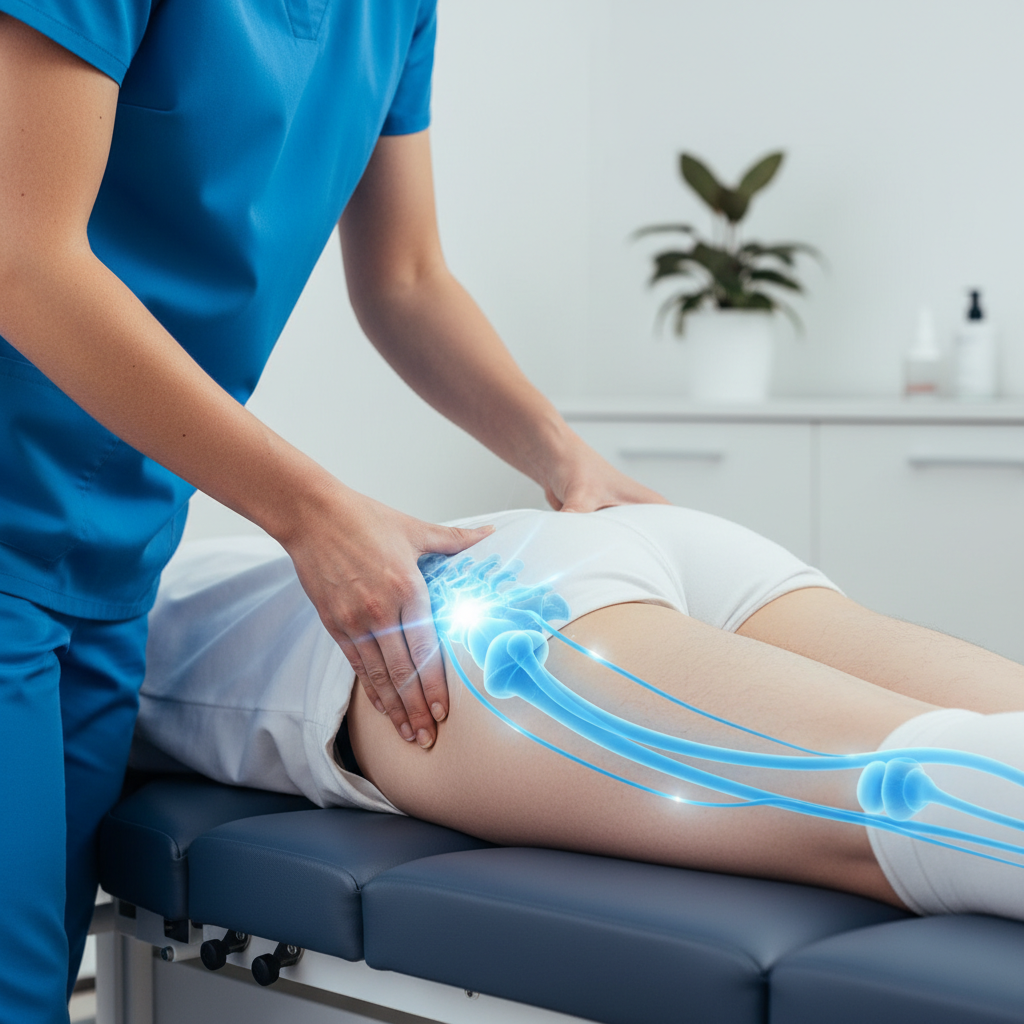
Understanding chiropractic care for nerve inflammation
If you live with radiating leg pain, numbness, tingling, or burning, you may be dealing with sciatica or another form of nerve inflammation. Chiropractic care for nerve inflammation focuses on reducing pressure on irritated nerves, improving spinal motion, and supporting your body’s natural healing so you can avoid or delay injections and surgery whenever it is safely possible.
Chiropractors use hands‑on spinal adjustments, gentle decompression, and targeted soft‑tissue work to realign joints and ease compression on the sciatic nerve and other spinal nerves. This approach is non invasive and drug free, and in many cases it can be part of an effective sciatica treatment without surgery plan that fits your goals and lifestyle.
At the same time, research shows that results can vary and there are some risks you should understand before beginning treatment. Knowing what chiropractic can and cannot do for nerve inflammation helps you make an informed decision about your care.
How sciatic nerve compression develops
Sciatica refers to irritation or compression of the sciatic nerve, which starts in your lower back and travels through the hips, buttocks, and down each leg. When that nerve is inflamed or pinched, you can feel pain, tingling, or weakness anywhere along its path.
Common causes of sciatic nerve compression
Several structural problems in your spine can lead to sciatic nerve compression:
- Herniated or bulging lumbar discs that press on a nerve root
- Degenerative disc disease that narrows the space between vertebrae
- Bone spurs from arthritis that encroach on the nerve pathway
- Spinal stenosis, or narrowing of the spinal canal
- Misalignment and joint dysfunction in the lower spine or pelvis
These changes can put mechanical pressure on the nerve and also trigger inflammation in surrounding tissues. Over time, that combination of compression and inflammation is what produces the shooting, burning, or electric pain you recognize as sciatica.
Chiropractic care is designed to address many of these mechanical contributors. Spinal manipulation, the cornerstone of chiropractic treatment, uses controlled force to specific joints to correct misalignments, enhance mobility, and support your body’s natural healing responses [1].
Symptoms of nerve inflammation and sciatica
You may be a candidate for chiropractic care for nerve pain if you notice symptoms such as:
- Radiating pain that travels from the low back or buttock into the leg
- Sharp, shooting, burning, or electric‑like pain
- Numbness or tingling in the leg, foot, or toes
- Muscle weakness, such as difficulty lifting the foot (foot drop)
- Pain that worsens with sitting, bending, or twisting
- Relief when lying down or walking short distances
Neuropathy, another nerve‑related condition, can also cause pain, tingling, and numbness, most often in the hands and feet. It is often linked to diabetes, injury, or infections that impair nerve function [2]. Chiropractors sometimes address neuropathy as part of broader nerve inflammation care, although the underlying causes and treatment goals can be different from sciatica.
If your primary concern is leg pain that starts in the low back or hip region, a focused radiating leg pain chiropractor evaluation can help clarify whether sciatic nerve compression is the source.
How chiropractors diagnose nerve inflammation
A careful diagnosis is the first step in any responsible chiropractic approach to nerve inflammation or sciatica. You should expect your chiropractor to spend time understanding your history and examining your spine and nervous system before starting treatment.
History and physical examination
Your chiropractor typically begins by asking about:
- When your symptoms started and how they have changed
- What makes the pain better or worse
- Any injuries, accidents, or repetitive strains
- Previous imaging, injections, or surgeries
Next comes a focused physical exam. To evaluate nerve involvement, your chiropractor may:
- Check muscle strength in your legs and feet
- Test reflexes at the knee and ankle
- Assess sensation with light touch or pinprick
- Perform nerve tension tests, such as the straight leg raise
This combination of history and examination helps identify whether your symptoms likely come from nerve compression, muscular strain, joint irritation, or a mix of these issues.
Imaging and further testing
If your chiropractor suspects significant nerve compression, or if you have red‑flag symptoms, imaging is often recommended before more aggressive care:
- X‑rays to look at bone alignment, disc height, and arthritis
- MRI to visualize discs, nerves, and any spinal stenosis
- In some cases, referral for nerve conduction studies via a medical provider
Chiropractors commonly use imaging like X‑rays and MRI to identify sources of nerve compression [1]. If your case is complex or you have serious neurologic findings, you may also be referred directly to a neurologist or spine specialist.
If you have not yet had a structured nerve pain chiropractor evaluation, this type of exam is a useful starting point.
Chiropractic techniques used for nerve inflammation
Chiropractic care for nerve inflammation typically combines spinal manipulation with other manual and rehabilitative therapies. The goal is to reduce pressure on irritated nerves, calm inflammation, and restore normal motion and support in your spine.
Spinal adjustments and manipulation
Spinal adjustments, also called spinal manipulation, are the signature chiropractic treatment. Using their hands or a small instrument, chiropractors apply a controlled force to a spinal joint to improve motion and alignment [3].
For sciatic nerve compression, this might include:
- Gentle adjustments to the lumbar vertebrae where the sciatic nerve roots exit
- Pelvic alignment techniques to correct joint dysfunction in the sacroiliac region
- Thoracic adjustments, since evidence suggests thoracic spinal manipulative therapy can be effective for some neck and back pain conditions and may carry fewer risks than direct cervical manipulation [4]
Chiropractic adjustments are widely used for low back pain, neck pain, and headaches, which are often linked to nerve irritation in the spine [3]. Research indicates that spinal manipulation can effectively treat certain types of lower back pain and may help with related conditions like neck pain and some headaches [3].
For sciatic nerve compression specifically, targeted chiropractic adjustment for sciatica aims to realign misaligned joints, reduce nerve pressure, and restore mobility.
Spinal decompression therapy
Spinal decompression is a gentle, non invasive treatment in which a motorized table applies a controlled stretching force to your spine. By slightly separating the vertebrae, decompression can create negative pressure within the discs. That negative pressure may help retract bulging or herniated disc material and improve nutrient flow, which can ease pressure on nearby nerves.
This technique has been described as particularly useful for nerve pain related to herniated discs and degenerative disc disease [5]. If your sciatica is disc‑related, a chiropractic therapy for nerve compression plan may include decompression sessions as part of your care.
Soft tissue therapies and modalities
To support nerve healing, many chiropractors also use:
- Soft tissue therapies to release tight muscles and fascia that increase nerve pressure. These techniques help break up adhesions, improve blood flow, and complement adjustments [6].
- Therapeutic ultrasound, which uses high‑frequency sound waves to reduce inflammation and promote tissue healing around the nerve [7].
- Cold laser therapy, which can stimulate cellular repair and decrease pain and inflammation in nerve‑related conditions [7].
- Electrical stimulation, such as TENS, to help block pain signals to the brain and encourage muscle relaxation for temporary relief from nerve pain and spasms [7].
These treatments are often combined in a sciatica pain relief plan to address both the structural and soft tissue components of your condition.
Corrective exercises and lifestyle changes
Once nerve irritation and pain begin to settle, your chiropractor may prescribe specific exercises to strengthen and stabilize your spine. Corrective exercises can:
- Build endurance in core and hip muscles that support the lumbar spine
- Improve flexibility in tight muscles that contribute to nerve compression
- Train safer movement patterns for lifting, bending, and twisting
Strengthening and stabilizing the supporting muscles helps maintain relief and reduces the risk of recurring pinched nerve symptoms [6].
Lifestyle and ergonomic recommendations are another key part of long‑term nerve health. Your chiropractor may help you adjust your workstation, sleeping position, exercise routine, or daily habits to minimize the stresses that aggravate sciatic nerve compression [6].
If you want a broader overview of non surgical strategies, you can also explore non invasive sciatica treatment options that may work alongside or instead of chiropractic care.
Chiropractic care focuses on your body’s structure, especially the spine, and aims to relieve pain, improve function, and help your body heal itself through spinal manipulation and other treatments [8].
What the evidence says about chiropractic and nerve inflammation
The research on chiropractic care for nerve‑related conditions is mixed, which is important to understand before you commit to any one approach.
According to Harvard Health Publishing, spinal manipulation is considered a validated option for managing low back pain, and the American College of Physicians guideline recommends it as one alternative to pain‑relieving drugs for low back pain [8]. A comprehensive review of spinal manipulative therapy found it can be an effective intervention for managing non specific and chronic primary neck pain, with similar effectiveness to exercise, medical care, or physical therapy [4]. For low back pain with nerve involvement, spinal manipulative therapy provided similar or better improvements in pain and disability compared with standard medical care or exercise in several trials [4].
However, other research has been more cautious. A review of randomized clinical trials up to 1996 found no convincing evidence that chiropractic manipulation was more effective than other treatments like physiotherapy, medications, or acupuncture for acute or chronic low back pain [9]. That same review pointed out that mild, short‑lived side effects such as localized pain occur in about half of chiropractic patients, and serious complications like cerebrovascular accidents have been reported, particularly with upper spinal manipulation [9].
Taken together, current evidence suggests that:
- Spinal manipulation can be a reasonable part of a conservative care plan for some types of neck and low back pain, including pain with nerve involvement.
- Outcomes are often similar to those from exercise programs or physical therapy, and sometimes better than from medications alone.
- Benefits for more complex or chronic nerve inflammation symptoms are still uncertain and need more research.
This is why a personalized sciatica pain relief plan that considers your full medical picture and risk factors is so important.
Risks and safety considerations
Every treatment, including chiropractic, carries potential risks. Understanding those risks can help you decide whether chiropractic is appropriate for your nerve inflammation.
Common, mild side effects
After an adjustment, you might experience:
- Temporary soreness or aching in the treated area
- Mild headache
- Fatigue for a day or two
These short‑term side effects are relatively common and usually resolve on their own [3].
Rare but serious complications
Although very rare, more serious events have been reported after spinal manipulation, especially involving the neck:
- Stroke related to vertebral or carotid artery injury
- Worsening of disc herniation
- Serious nerve injury
A Canadian study found that patients under 45 who had vertebrobasilar accidents were more likely to have visited a chiropractor in the week before, suggesting a statistically significant association between cervical manipulation and stroke in that age group [9]. Harvard Health also notes that while serious complications are very rare, stroke has been reported following spinal manipulation of the neck [8].
Because of this, many guidelines and clinicians favor thoracic or lumbar spinal manipulation and avoid high‑velocity neck adjustments in patients with risk factors such as vascular disease, connective tissue disorders, or a history of stroke.
Before starting care, talk openly with your chiropractor about:
- Your medical history and medications
- Any history of bone disease, cancer, or vascular problems
- Whether they plan to perform cervical manipulation
You always have the right to decline any technique you are not comfortable with.
Where chiropractic fits among your treatment options
If you are considering chiropractic vs surgery for sciatica, it helps to think in terms of treatment stages. In many cases, chiropractic belongs in the early, conservative stage, before you explore injections or surgery, provided there are no urgent red flags.
When chiropractic is commonly appropriate
Chiropractic care for nerve inflammation is often reasonable when you:
- Have leg pain, numbness, tingling, or burning consistent with sciatica
- Have no signs of severe or rapidly worsening neurologic deficits
- Prefer sciatica relief without injections or medications if possible
- Want a structured, active sciatica recovery plan chiropractor that includes exercise and education
If your sciatica is related to a lumbar disc problem, a focused chiropractic treatment for lumbar sciatica plan may help reduce compression and improve function, especially in the first few weeks to months after symptom onset.
When you should seek urgent medical or surgical evaluation
You should bypass or pause chiropractic care and seek immediate medical attention if you experience:
- New or rapidly worsening weakness in the leg or foot
- Loss of bowel or bladder control
- Numbness in the groin or saddle area
- Severe, unrelenting pain that does not improve with rest or medication
- Fever, unexplained weight loss, or a history of cancer along with back pain
These can be signs of conditions such as cauda equina syndrome, infection, fracture, or tumor, which require urgent medical or surgical management.
Even without emergency signs, if you have persistent severe symptoms despite several weeks of non invasive sciatica treatment options, including chiropractic and physical therapy, it may be time to discuss advanced imaging or surgical consultation with a spine specialist.
What to expect from recovery and timelines
Every case of sciatic nerve compression is different, but you can use a few general guidelines to set realistic expectations for recovery with chiropractic care.
Early phase: first 2 to 6 weeks
In the first weeks, your chiropractor focuses on:
- Reducing acute pain and muscle spasm
- Improving spinal and pelvic motion
- Modifying activities that aggravate your symptoms
Visits may be more frequent during this stage. Many people start noticing some improvement in symptoms during this time, although flare ups are common.
Understanding how long sciatica takes to heal chiropractor depends on factors such as your age, general health, the severity of nerve compression, and how closely you follow recommendations between visits.
Subacute phase: 6 to 12 weeks
As inflammation subsides, your care typically shifts to:
- Corrective exercises for core and hip strength
- Posture and body‑mechanics training
- Gradual return to your usual activities
If your pain is steadily improving and your function is returning, continuing a structured sciatic nerve pain management plan may help you avoid relapse.
Long term: beyond 3 months
If significant sciatica symptoms persist beyond 3 months despite active, consistent conservative care, your chiropractor may:
- Reevaluate your condition and response to treatment
- Coordinate with your primary care physician or specialist
- Discuss additional options such as injections or surgical evaluation
In some cases, ongoing maintenance visits can be part of a broader sciatica recovery plan chiropractor, especially if you have chronic degenerative changes that are unlikely to fully reverse.
Questions to ask a chiropractor before starting
Before you begin chiropractor for sciatica nerve pain care, consider asking:
- How will you determine if my sciatica is appropriate for chiropractic treatment
- What is your experience treating sciatica caused by disc chiropractor cases like mine
- What techniques will you use, and will you perform cervical manipulation
- What signs would prompt you to refer me for imaging, injections, or a surgical opinion
- How will we measure progress, and what is the expected timeline for improvement
Clear answers help you understand whether this provider and approach align with your comfort level and goals.
If you are not sure whether chiropractic is the right starting point, you might also review how other providers offer sciatic nerve compression treatment and then compare options.
Putting it all together
Chiropractic care for nerve inflammation, including sciatic nerve compression, offers a non invasive, drug free way to address structural contributors to your pain. By combining spinal adjustments, decompression, soft tissue therapies, and targeted exercise, a chiropractor can help reduce nerve pressure, calm inflammation, and improve your ability to move.
Evidence supports spinal manipulation as one reasonable option for some neck and low back pain conditions, including those with nerve involvement, although it is not clearly superior to all other therapies and does carry rare but serious risks, especially with neck manipulation. Because of this, chiropractic care is usually best used as part of a broader, conservative plan that can be adjusted if your symptoms do not respond or if red flags appear.
If you are looking for natural sciatica pain relief chiropractor options before injections or surgery, a thoughtful, evidence‑informed chiropractic approach may be worth considering. Start with a thorough evaluation, ask questions about techniques and safety, and be prepared to combine chiropractic with exercise, healthy habits, and medical follow up so you can pursue the most complete and lasting relief possible.