Sciatica can feel confusing. One day you have a mild ache in your lower back. Then suddenly you are dealing with sharp, radiating pain, tingling, or numbness that shoots down your leg whenever you sit, stand, or bend.
Understanding how chiropractors treat sciatica gives you a clear picture of what is happening inside your spine and what you can realistically expect from non invasive care. If you are hoping for sciatica relief without injections or surgery, chiropractic care is often an important first step.
What sciatica is and why it tingles
Sciatica is not a diagnosis by itself. It is a description of what you feel when your sciatic nerve is irritated or compressed.
The sciatic nerve is the largest nerve in your body. It starts in your lower spine, passes through your hips and buttocks, and travels down the back of each leg. When something presses on or inflames this nerve, you can experience:
- Radiating leg pain that may feel sharp, burning, or electric
- Numbness, tingling, or pins and needles in your leg or foot
- Weakness in your leg, calf, or foot
- Pain that worsens when you sit, bend, twist, or cough
Many people describe it as a deep ache in the buttock that shoots down the leg, often only on one side. That tingling sensation is usually a sign that the nerve is being compressed or irritated along its path.
Chiropractors focus on identifying where that compression is happening and using targeted techniques to relieve pressure, calm inflammation, and restore normal movement.
How sciatica develops from nerve compression
Sciatic nerve compression typically starts in your lower back or pelvis. Several structural issues can narrow the space around the nerve or its roots.
Common causes include:
- Herniated or bulging lumbar discs that press on a nerve root
- Degenerative disc disease that reduces disc height and closes the space where nerves exit
- Spinal stenosis, or narrowing of the spinal canal
- Misaligned vertebrae that shift toward the nerve
- Pelvic or sacroiliac joint misalignment that alters the nerve’s pathway
- Tight muscles, especially the piriformis, that can irritate the sciatic nerve in the buttock
Chiropractic care is designed to address these underlying mechanical problems. By improving joint alignment and movement, a chiropractor can often reduce the direct pressure on the nerve and allow irritated tissues to heal. This is why chiropractic is a key option for sciatica treatment without surgery.
Sciatica symptoms chiropractors look for
When you visit a chiropractor for sciatica, you are not just talking about “back pain.” You are describing a specific pattern of nerve irritation.
You might notice:
- Pain that radiates from your lower back or buttock down the back of your thigh, sometimes into the calf or foot
- Tingling or numbness in your leg or toes
- A feeling of “hot,” “burning,” or “electric” pain
- Pain that is worse when you sit for long periods and sometimes eases when you walk
- Difficulty standing up straight or walking normally
You may also feel weakness when you try to lift your foot or push off when walking. This pattern helps your chiropractor determine whether your sciatic nerve or another nerve is involved, and whether you might benefit from chiropractic care for nerve pain.
If you have red flag symptoms such as loss of bowel or bladder control, severe weakness, or sudden severe pain after a trauma, a responsible chiropractor will refer you for urgent medical evaluation before beginning treatment.
How chiropractors diagnose sciatic nerve compression
Chiropractors do not treat “sciatica” in isolation. They treat the specific cause of your sciatic nerve compression. To do that, they start with a thorough evaluation.
History and symptom review
Your chiropractor will ask detailed questions about:
- Where your pain and tingling start and where they travel
- What makes your symptoms better or worse
- How long you have had symptoms and whether they are getting worse
- Previous injuries, surgeries, or imaging results
Clinics like Healing Hands Chiropractic use a structured diagnostic process that can include spinal and medical history review, posture and weight distribution checks, nerve function tests, and EMG muscle scans to pinpoint the source of your pain before treatment begins [1].
Physical and neurological examination
Next, your chiropractor will perform an exam that may include:
- Checking your posture and spinal alignment
- Gently moving your spine, hips, and legs to see which motions reproduce pain
- Straight leg raise tests to see when your symptoms begin
- Reflex testing, strength testing, and sensation checks in your legs and feet
These tests help determine whether your sciatic nerve is being pinched in the lower back, irritated in the pelvis, or affected by muscle tension.
Imaging and additional tests when needed
If your chiropractor suspects disc herniation, spinal stenosis, or other structural problems, they may recommend imaging such as X rays or MRI. Many chiropractors work with medical providers to review these results and tailor your sciatic nerve compression treatment accordingly.
Healthline notes that chiropractors often rely on X rays and other imaging when needed to identify disc issues or spinal narrowing pressing on the sciatic nerve [2].
Once the cause of your nerve compression is clear, your chiropractor can design a focused care plan rather than just chasing symptoms.
Core chiropractic techniques for treating sciatica
The heart of how chiropractors treat sciatica is restoring proper alignment and motion to the spine and pelvis so the sciatic nerve has space to function normally. Different techniques are chosen based on your age, health, pain level, and the exact cause of your compression.
Spinal adjustments to relieve nerve pressure
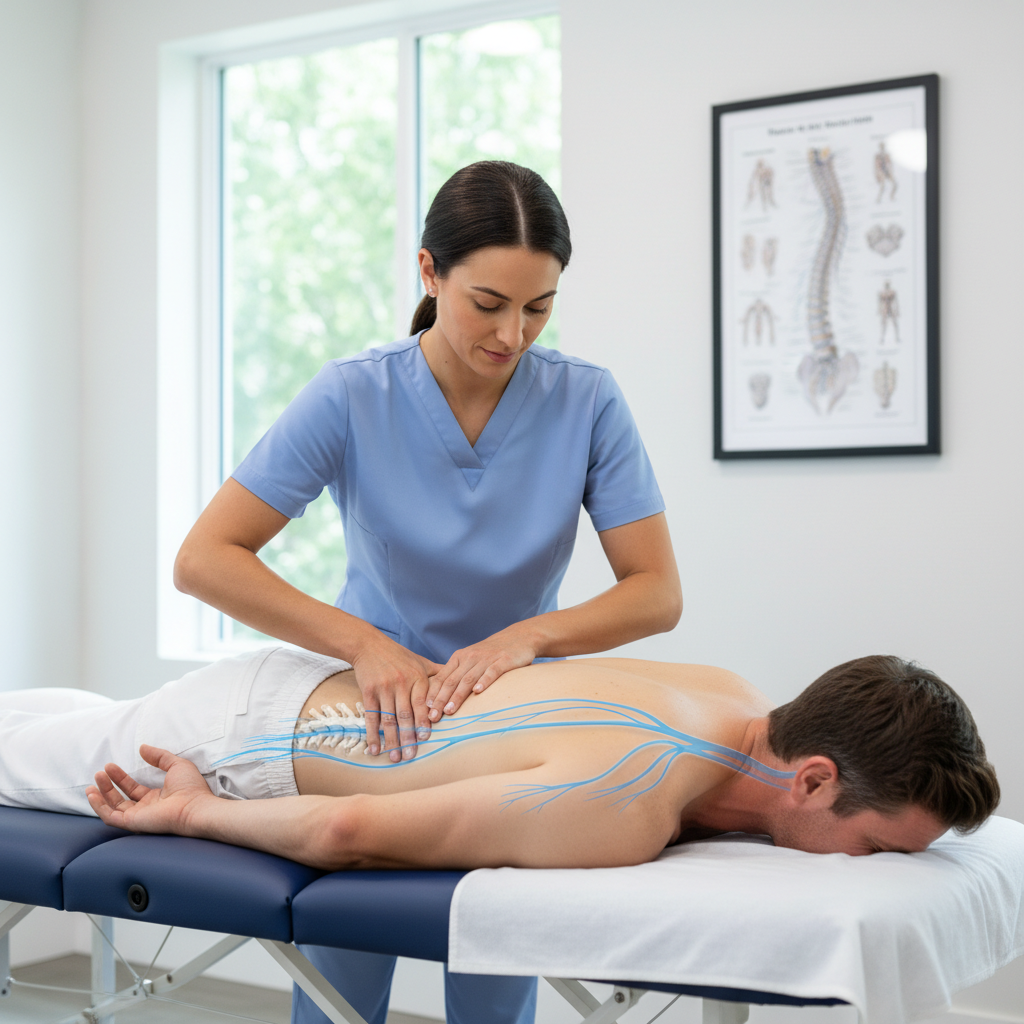
Chiropractic spinal adjustments, sometimes called spinal manipulation, are one of the primary tools for treating sciatica. Your chiropractor uses a controlled, precise force to move a joint that is not moving correctly.
- Adjustments can correct misaligned vertebrae that are narrowing the opening where nerve roots exit
- They help restore normal joint motion, which improves circulation and reduces irritation around the nerve
- When pressure on the nerve decreases, pain, tingling, and inflammation often begin to subside
Clinics such as North East Chiropractic Center explain that spinal adjustments can relieve pressure on the sciatic nerve, reduce pain, and improve movement by correcting misaligned vertebrae [3]. Dr. Le’s Chiropractic & Wellness in Alabama notes that these adjustments help reduce nerve pressure, improve mobility, and decrease inflammation for long term relief [4].
If you want a deeper look at this specific technique, explore chiropractic adjustment for sciatica.
Spinal decompression and flexion distraction
If your sciatica is related to a disc problem, you may benefit from gentle spinal decompression or flexion distraction.
Using a specialized table, your chiropractor can:
- Gently stretch and flex your lumbar spine in a controlled pattern
- Create negative pressure inside spinal discs, which may help retract or reduce bulging material
- Open the spaces where nerve roots exit and reduce direct compression on the sciatic nerve
North East Chiropractic Center describes spinal decompression as a way to create negative pressure within spinal discs to reduce nerve compression in herniated or bulging discs [3]. Dr. Le’s clinic uses the flexion distraction technique to gently stretch the spine and reposition herniated discs, often leading to significant pain relief and better mobility for sciatica patients [4].
For many people, this gentle approach is a key part of chiropractic treatment for lumbar sciatica.
Soft tissue therapy for tight muscles and trigger points
Sciatica is not just about bones and discs. Tight muscles and irritated soft tissues can also compress or irritate the sciatic nerve, especially in the buttock and hip region.
Chiropractors often add soft tissue techniques, such as:
- Massage and myofascial release to reduce muscle tension
- Trigger point therapy to release tight, painful knots, often in the piriformis muscle
- Deep tissue work to improve blood flow and promote healing in irritated tissues
North East Chiropractic Center notes that trigger point therapy to tight piriformis muscles can relieve stress on the sciatic nerve and reduce pain or numbness in the buttocks and legs, while soft tissue therapy promotes circulation and healing [3]. Dr. Le’s clinic also uses massage, trigger point therapy, and myofascial release around the lower back and hips to relax muscles and enhance sciatica outcomes [4].
If your main complaint is leg pain from sciatica, targeted soft tissue work can make it easier to move and sit while the deeper structural issues are being corrected.
Pelvic and sacroiliac joint adjustments
Your pelvis is the foundation for your spine. If it is tilted or rotated, the path of the sciatic nerve can be distorted and compressed.
Chiropractors address this by:
- Assessing leg length differences, pelvic tilt, and sacroiliac joint motion
- Performing gentle pelvic and sacroiliac adjustments to restore balance
- Teaching you posture and movement strategies to keep your pelvis stable
Pelvic adjustments are specifically used to restore the proper path of the sciatic nerve, reduce nerve compression, and improve long term spinal alignment and mobility [3].
You can think of this as rebalancing the base of your spine so the nerve is not being stretched or pinched every time you walk or sit.
Corrective exercises and home care
Lasting sciatica relief almost always involves changing how you move and support your spine.
Your chiropractor might prescribe:
- Gentle stretches for your hamstrings, hip flexors, and piriformis
- Core strengthening exercises to support your lower back
- Hip and glute exercises to stabilize your pelvis
- Low impact aerobic activities like walking or swimming
Dr. Le’s clinic emphasizes therapeutic exercises to strengthen muscles that support the spine and help prevent future episodes [4]. Similarly, Druzbik Family Chiropractic designs corrective exercise programs to improve flexibility and promote long term stability that reduces sciatica flare ups [5].
These exercises often become the backbone of your sciatica pain relief plan and your longer term sciatica recovery plan chiropractor.
Lifestyle, posture, and ergonomic guidance
Everyday habits can either support healing or keep irritating your sciatic nerve. Chiropractors usually address:
- How you sit at work and in the car
- How often you take movement breaks
- Sleep positions that reduce strain on your lower back
- Proper techniques for lifting and bending
Alliance Orthopedics highlights that a holistic chiropractic approach for sciatica includes lifestyle recommendations on posture, exercises, and ergonomic adjustments to prevent future episodes [6]. Druzbik Family Chiropractic adds practical advice on ergonomics and daily habits to reduce the risk of future sciatic nerve problems [5].
If you are looking for broader non invasive sciatica treatment options, these lifestyle changes are just as important as what happens on the treatment table.
Chiropractic care for sciatica typically combines spinal adjustments, decompression, soft tissue therapy, corrective exercise, and lifestyle changes to reduce nerve compression, calm inflammation, and prevent future flare ups.
How chiropractic reduces inflammation and tingling
Your tingling sensation is a sign that the nerve is irritated. Chiropractic care targets both the mechanical pressure and the inflammatory response around the nerve.
Here is what is happening inside your body:
- Realigning joints opens up space and reduces direct pressure on the nerve
- Improved motion enhances circulation and nutrient delivery to discs and soft tissues
- Reduced mechanical irritation can lower local inflammation around nerve roots
- Balanced muscles and joints reduce ongoing strain on the sciatic nerve
Clinics like Healing Hands Chiropractic describe chiropractic care as a natural, non invasive way to improve neuromusculoskeletal function and relieve sciatic nerve pain without drugs or surgery [1]. Reno Spine Care adds that realigning the spine and joints can reduce nerve pressure, improve posture, and decrease sciatic pain by addressing muscle imbalance as well [7].
This is why chiropractic is an important approach if you want natural sciatica pain relief chiropractor solutions that focus on the cause instead of only masking pain.
How long sciatica takes to improve with chiropractic
Your recovery timeline depends on several factors:
- How long you have had symptoms
- Whether your sciatica is disc related, posture related, or both
- Your overall health and activity level
- How consistently you follow home exercises and ergonomic advice
Many patients notice some relief in the first few weeks of care. For some, the sharp, radiating pain decreases first, then the tingling and numbness slowly fade. For others, stiffness eases first, and nerve symptoms change more gradually.
Healing Hands Chiropractic notes that some people feel relief after a few chiropractic sessions, while others with more severe or long standing conditions may need weeks or months of care, with ongoing evaluation and adjustments to the treatment plan [1].
To better understand realistic expectations over time, you can read more in how long does sciatica take to heal chiropractor.
When chiropractic is appropriate before injections or surgery
You may be wondering when it makes sense to start with chiropractic care and when you should consider more invasive options such as injections or surgery.
Chiropractic care is typically appropriate as a first line or early treatment when:
- Your pain, tingling, or numbness is significant but not accompanied by red flag symptoms
- Imaging shows disc bulges, mild to moderate stenosis, or misalignment but no emergency condition
- You prefer to avoid opioids, injections, or surgery if possible
- You want a conservative approach that focuses on alignment, movement, and long term function
Healthline notes that chiropractic spinal manipulation can be a safe, low risk treatment that many people use as an alternative to pain medication, and a 2025 study found that patients receiving spinal manipulation instead of opioids had fewer side effects and lower opioid use one year later [2].
You should consider urgent medical evaluation and possibly surgical consultation if you experience:
- Sudden loss of bowel or bladder control
- Severe or rapidly worsening leg weakness
- Numbness in the area between your legs (saddle anesthesia)
- Intense pain after a fall or accident
In many non emergency situations, chiropractic vs surgery for sciatica is not an either or decision. Conservative care is often tried first. If you do not respond as expected, your chiropractor can coordinate with other providers, such as pain specialists or surgeons, to expand your options.
What to expect during chiropractic visits for sciatica
Knowing what happens during treatment can help reduce anxiety and make it easier to commit to your plan.
Typically, you can expect:
- An initial evaluation that includes your history, exam, and, if needed, imaging review
- A discussion of your diagnosis and treatment options, including how chiropractic fits into your overall sciatic nerve pain management
- A series of visits that may start more frequently, then taper as you improve
- A customized mix of spinal adjustments, decompression, soft tissue therapy, and exercises
- Home care instructions for posture, stretching, and activity modification
Reno Spine Care explains that during chiropractic appointments, practitioners evaluate your overall health, medical history, diet, fitness, and other conditions to provide comprehensive neuromusculoskeletal care, not just quick symptom relief [7].
Some people are concerned about the “crack” sounds during adjustments. Reno Spine Care likens this to knuckle popping and notes that it usually results in a feeling of relief in the treated joints [7].
If you are unsure whether your symptoms are truly sciatica or another nerve issue, a nerve pain chiropractor evaluation can help you get clarity before deciding on a treatment path.
Is chiropractic care right for your sciatica?
If you are living with radiating leg pain, tingling, or burning sensations and you want a non invasive approach, seeing a chiropractor for sciatica nerve pain is a reasonable and often effective starting point.
Chiropractic care can help when:
- You have clear signs of nerve irritation but no emergency symptoms
- You want to address the mechanical cause of your pain, not just numb it
- You are willing to participate in exercises, posture changes, and lifestyle adjustments
- You want a plan that aims for long term function and prevention, not just short term relief
By combining spinal adjustments, decompression, soft tissue work, exercise therapy, and lifestyle changes, chiropractors offer a comprehensive form of chiropractic therapy for nerve compression that can reduce pressure on your sciatic nerve and help stop your tingling sensation at its source.
If your sciatica is related to a disc issue, you can learn more in sciatica caused by disc chiropractor. If your primary concern is radiating symptoms, radiating leg pain chiropractor is another useful resource.
With early, targeted care and a thoughtful sciatica recovery plan chiropractor, many people find that their pain, numbness, and tingling become manageable or resolve completely without needing injections or surgery.