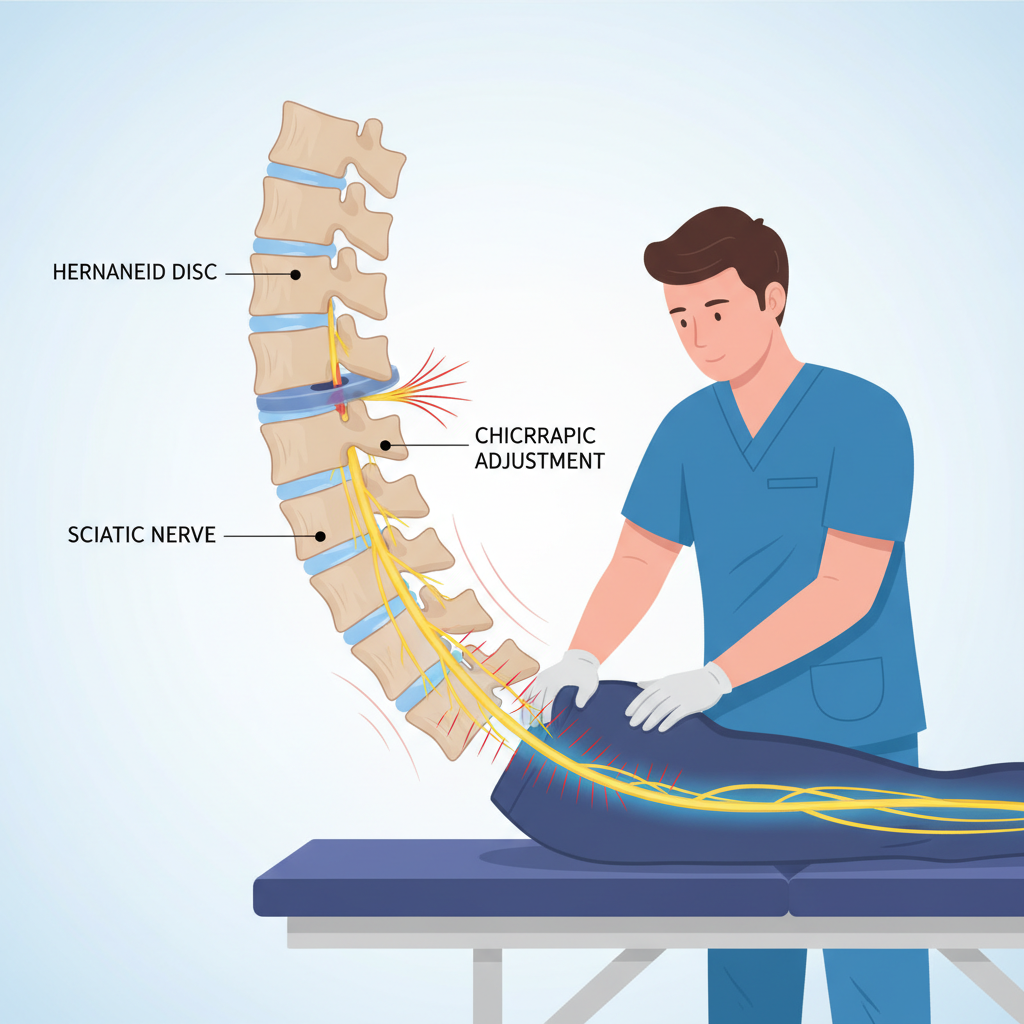
Understanding sciatica caused by a disc
If you are living with burning, shooting, or aching pain that travels from your lower back into your hip, buttock, or leg, you may be dealing with sciatica caused by a disc problem. This type of sciatica most often happens when a lumbar disc herniates or bulges and compresses the sciatic nerve or one of the nerve roots that form it. That compression can trigger inflammation, pain, numbness, and sometimes weakness in your leg and foot [1].
When you hear the phrase “sciatica caused by disc chiropractor,” it usually refers to using chiropractic care to relieve sciatic nerve pain that stems from a disc issue. Chiropractors focus on improving spinal alignment, joint motion, and soft tissue balance in order to reduce pressure and irritation around the nerve. For many people, this approach is an important part of sciatica treatment without surgery and can fit into a larger, conservative care plan.
To decide whether this path is right for you, it helps to understand how sciatica develops, what symptoms to watch for, and how a chiropractor evaluates and treats disc related nerve compression.
How disc problems cause sciatic nerve compression
Your lumbar spine is built from vertebrae stacked on top of each other with discs in between. Each disc has a soft inner core and a tougher outer ring. When that outer ring weakens or tears, the inner material can push outward. This is called a disc herniation.
If the herniated material presses on a nearby nerve root, such as L4, L5, or S1, it can set off sciatica. The affected nerve becomes irritated and inflamed, which sends pain and other symptoms along the entire length of the sciatic nerve pathway. According to spine specialists, a herniated disc in the lower lumbar spine is the most common mechanical cause of sciatica and can lead to pain, numbness, and even leg weakness [1].
Not every disc herniation causes symptoms. In fact, a large percentage of herniations improve significantly over 4 to 6 weeks with conservative care such as rest, gentle exercise, and anti inflammatory medication [2]. Sciatica becomes a problem when the disc continues to irritate the nerve and your body is not able to calm the inflammation on its own.
Common signs and symptoms of disc related sciatica
Sciatica from a disc herniation tends to follow a predictable pattern. You are more likely to notice:
- Sharp, electric, or burning pain that radiates from your lower back into the buttock, thigh, calf, or foot
- Numbness or tingling in a specific strip of your leg or foot
- Muscle weakness, such as a foot that slaps when you walk or difficulty lifting your toes
- Pain that worsens with coughing, sneezing, sitting for long periods, or bending forward
- Symptoms that usually affect one side of your body more than the other
Many people describe the pain as a deep ache mixed with sudden “electric shock” sensations that shoot down the leg. Health sources note that sciatica can range from mild and annoying to severe and disabling, and it may affect between 10 percent and 40 percent of people at some point in their lives [3].
If you notice red flag symptoms such as loss of bowel or bladder control, severe progressive leg weakness, or numbness in the groin area, you need immediate medical attention. These can signal a rare but serious complication called cauda equina syndrome.
How a chiropractor evaluates sciatica from a disc
When you visit a chiropractor for radiating leg pain, the first step is a detailed evaluation. A careful assessment helps confirm that your symptoms are truly coming from nerve compression and not another condition that can mimic sciatica.
History and physical examination
Your chiropractor will usually begin by asking about:
- Where your pain starts and where it travels
- What makes it better or worse
- When symptoms began and how they have changed
- Any previous injuries, surgeries, or medical conditions
A hands on exam follows. Your chiropractor may:
- Check your posture and spinal alignment
- Test your reflexes, muscle strength, and sensation in both legs
- Perform specific orthopedic tests that stretch or tension the sciatic nerve
- Assess how your joints in the spine, hips, and pelvis move
This type of focused evaluation is a key part of a nerve pain chiropractor evaluation. It can help pinpoint which nerve root is involved and whether a disc is the likely source.
Imaging and referrals when needed
In many cases, your chiropractor may recommend a period of conservative care before any imaging, especially if your symptoms are relatively recent and you have no red flag signs. If your pain is severe, persists despite initial treatment, or you show neurologic deficits, imaging such as an MRI may be requested through your primary care provider or a specialist.
The MRI can confirm whether you have a disc herniation, how large it is, and which nerve roots are affected. This information helps guide your sciatic nerve compression treatment plan and supports decisions about whether chiropractic care, medications, injections, or surgery are appropriate.
Chiropractic approach to disc related sciatica
When you choose to see a chiropractor for “sciatica caused by disc,” the overall strategy is to reduce nerve irritation, improve joint motion, and support healing of the surrounding tissues. Chiropractors use a combination of spinal adjustments, soft tissue therapies, decompression, and exercise instruction to accomplish this.
Spinal adjustments to improve alignment and motion
Spinal manipulation or adjustment is the core technique in many chiropractic practices. During a chiropractic adjustment for sciatica, your chiropractor applies a controlled, specific force to joints that are not moving well. The goal is to improve joint motion and alignment, which may help reduce mechanical irritation around the nerve.
Several chiropractic and orthopedic resources describe how spinal adjustments can relieve sciatic nerve pressure by addressing misalignments and restoring proper spinal mechanics [4]. Some patients notice decreased pain within a week, although full relief may take several months depending on the severity of your disc problem and how your body responds [5].
At the same time, medical literature points out that the exact mechanism by which spinal manipulation might directly affect degenerative or herniated discs is not fully understood. Researchers note that evidence for spinal manipulation in acute disc injury is limited and that manipulation can carry risks in certain disc cases [2]. This is why your chiropractor should screen carefully and avoid aggressive manipulation if you are in a very acute phase or have significant neurologic deficits.
Spinal decompression and traction techniques
Many chiropractors now incorporate non surgical spinal decompression or flexion distraction techniques as part of chiropractic therapy for nerve compression. This approach uses a specialized table or traction device to gently stretch the spine. The goal is to:
- Reduce pressure within the disc
- Create space around the nerve root
- Promote fluid movement and nutrition into the disc
Clinics in different regions describe using decompression to help patients with herniated, bulging, or degenerated discs that are pressing on nerve roots, often as a drug free alternative before injections or surgery [6].
Soft tissue work and adjunct therapies
Muscle tension and protective guarding around your lower back and hips can increase pressure on the sciatic nerve. To address this, your chiropractor may use:
- Targeted massage or soft tissue therapy
- Trigger point techniques
- Stretching of tight hip and gluteal muscles
Some practices also add modalities such as ultrasound, electrical stimulation, or cold laser therapy to reduce muscle spasm, improve blood flow, and calm inflammation around the nerve [6].
These supportive treatments can complement your natural sciatica pain relief chiropractor plan and may ease pain enough for you to move more comfortably and participate in daily activities.
Corrective exercise and lifestyle changes
To help your results last, most chiropractors will teach you exercises to stabilize your core, improve hip mobility, and support your spine. You may receive:
- Gentle nerve gliding exercises
- Core strengthening routines
- Hip and hamstring stretches
- Posture and body mechanics coaching
This proactive approach is a key part of a sustainable sciatica recovery plan chiropractor and can reduce your risk of future flare ups.
Benefits you may notice with chiropractic care
If you are a good candidate, working with a chiropractor for disc related sciatica may improve more than just your pain. Many patients and clinics report a combination of physical and functional gains over the course of care.
Less leg pain and nerve symptoms
By reducing pressure on the sciatic nerve and calming inflammation, chiropractic treatment often leads to:
- Decreased radiating leg pain
- Fewer stabbing or electric shock sensations
- Reduced tingling and numbness
Several chiropractic centers describe patients experiencing less frequent flare ups and a major drop in shooting leg pain as spinal alignment improves and nerve pressure eases [7].
Better mobility and function
As your pain calms, you may find:
- Sitting, standing, and walking are easier
- Bending, driving, and daily tasks become more comfortable
- Muscle tightness in your lower back and hips starts to release
Real world reports highlight gains in flexibility, range of motion, and lower back and hip function after a course of chiropractic care [8].
Improved strength and posture
As nerve irritation decreases, your leg muscles can start to fire more normally again. Strengthening exercises and postural correction help you rebuild stability around your spine and pelvis. Over time, some patients notice:
- Stronger hamstrings, calves, and hip muscles
- Less leaning or shifting to avoid pain
- More natural, upright posture
This combination of alignment and strength work supports long term sciatic nerve pain management and reduces recurring strain on your discs [9].
Reduced reliance on pain medication
One reason many people seek chiropractic care for nerve pain is to avoid or limit long term use of painkillers. A health article reviewing recent research notes that patients with sciatica who received chiropractic spinal manipulation instead of opioids experienced fewer side effects one year later, and early chiropractic care was linked to lower subsequent opioid use [3].
For you, this may mean more natural, non invasive sciatica treatment options and a care plan that supports your overall health.
What the evidence says about chiropractic and disc related sciatica
When you explore “sciatica caused by disc chiropractor” online, you will encounter very positive stories along with questions about safety and effectiveness. It is important to understand both sides.
Supportive clinical experiences and early research
Several chiropractic and musculoskeletal clinics report that many of their patients with disc related sciatica improve with:
- Spinal adjustments
- Decompression
- Soft tissue therapies
- Exercise based rehabilitation
Some articles point to a study in the European Spine Journal where patients with sciatica experienced significant reductions in pain and disability following chiropractic adjustments [10]. Other sources describe enhancements in mobility, daily function, and quality of life reported by patients who turned to chiropractic care after other treatments had limited success [7].
Health writers also note that chiropractic care is generally considered a safe, holistic option for many patients when delivered by a qualified professional and when appropriate screening is performed [3].
Important cautions and limitations in the research
On the other hand, medical reviews highlight that:
- There is no widely accepted, proven mechanism that explains how spinal manipulation directly heals degenerative or herniated discs.
- Serious but rare adverse events, including worsening disc herniation and cauda equina syndrome, have been reported after spinal manipulation in patients with disc problems.
- Rigorous, controlled studies that specifically examine chiropractic manipulation for disc herniation or discogenic nerve pain are limited and results are mixed.
As of 2023, clinical guidelines generally advise against spinal manipulation in the acute phase of a disc injury and recommend a period of watchful waiting and conservative care first [2]. These reviews stress that the risk and benefit balance of manipulation for disc related sciatica is not fully defined and that more high quality research is needed.
For you, the key takeaway is that chiropractic care can be a helpful part of your plan, but it should be applied thoughtfully, with proper diagnosis, careful screening, and coordination with your primary care provider or spine specialist when needed.
Where chiropractic fits before injections or surgery
If your sciatica is caused by disc compression, you have a range of treatment options. A well designed chiropractic plan often sits between self care and more invasive interventions.
Conservative options usually come first
Many experts report that about 90 percent of lumbar disc herniations improve within 4 to 6 weeks using conservative therapies such as rest, targeted exercise, anti inflammatories, and analgesics [2]. Chiropractic care is often included among these non surgical treatments and may help you avoid or delay more invasive procedures [1].
Other commonly recommended conservative measures include:
- Activity modification and short term rest from aggravating activities
- Guided physical therapy and core stabilization
- Ice or heat for symptom control
- Proper ergonomics and posture changes
Working with a chiropractor for sciatica nerve pain during this stage can complement these strategies and give you structured support.
When to consider injections
If your pain remains significant despite several weeks of conservative care, your medical team may discuss epidural steroid injections. These injections deliver corticosteroids near the irritated nerve to calm inflammation and pain. They are performed under imaging guidance and are considered a non surgical but more invasive step [1].
Chiropractic care can sometimes continue alongside or after injections to support mobility and strength, but decisions should be made with input from both your chiropractor and the physician managing your injections.
When surgery may be necessary
If you have:
- Significant or worsening leg weakness
- Loss of bowel or bladder control
- Severe pain that does not respond to conservative care and injections
- Structural compression clearly visible on imaging
then surgery may be the safest and most effective option. The most common procedure for disc related sciatica is a microdiscectomy, where the surgeon removes the herniated disc fragment through a small incision to relieve pressure on the nerve. This is usually an outpatient surgery with a high success rate for appropriate candidates [1].
In this situation, chiropractic manipulation of the involved segment is typically not recommended before surgical evaluation. After surgery and appropriate healing time, some patients reintroduce gentle chiropractic or physical therapy to maintain mobility under medical guidance.
For many people, comparing chiropractic vs surgery for sciatica is part of making an informed choice. A good provider will help you weigh your options based on your symptoms, imaging, and overall health.
What to expect from a chiropractic sciatica care plan
When you commit to a structured plan with a chiropractor for pinched nerve sciatica, it helps to have clear expectations about timing, progression, and home care responsibilities.
Typical recovery timelines
Your healing timeline depends on the size and age of your disc herniation, the degree of nerve compression, your general health, and how consistently you follow your plan. Many patients notice some relief within the first few weeks, especially regarding leg pain. However, complete symptom resolution can take several months [5].
To better understand what is realistic in your specific case, you can review a resource such as how long does sciatica take to heal chiropractor. This can help you align your expectations with the natural course of disc healing.
Elements of a personalized care plan
A comprehensive sciatica pain relief plan from a chiropractor may include:
- An initial intensive phase with more frequent visits to quickly reduce pain and restore motion
- A corrective phase where you continue adjustments and decompression while increasing exercise and strengthening
- A maintenance or wellness phase, if appropriate, where periodic care helps you prevent future flare ups
Your plan may also be coordinated with physical therapy or medical care to ensure that you receive balanced, evidence informed support.
Self care between visits
Your chiropractor will likely give you specific instructions for home care such as:
- Positions that ease nerve tension, for example lying with your legs supported
- Gentle stretches to keep your hips and hamstrings flexible
- Core and glute strengthening exercises to stabilize your spine
- Ergonomic changes at work or home
This mix of in office and at home strategies is central to successful sciatic nerve pain management and can support long term results.
Sciatica from a disc herniation can be intensely disruptive, but with a careful diagnosis, a structured conservative plan, and thoughtful use of chiropractic care, many people regain comfort and mobility without moving directly to injections or surgery.
Deciding if a disc focused chiropractor is right for you
If you are considering sciatica treatment with a chiropractor, it is helpful to ask a few key questions:
- Does the chiropractor have specific experience with lumbar disc herniations and radiating leg pain
- How do they screen for red flags and decide when to refer to a medical specialist
- What techniques do they use for acute versus chronic disc cases
- How will they integrate exercise, posture, and lifestyle changes into your plan
You can also explore resources on how chiropractors treat sciatica, leg pain from sciatica chiropractor, and radiating leg pain chiropractor to understand the range of approaches available.
When you find the right partner and follow a well structured plan, sciatica caused by a disc does not have to control your life. With appropriate chiropractic care, supportive medical guidance, and active participation in your recovery, you may be able to move, work, and rest with far less pain, and in many cases, avoid or delay invasive procedures while still protecting your long term nerve health.
References
- (Advanced Ortho and Spine)
- (NCBI PMC)
- (Healthline)
- (The Disc Chiropractic, Alliance Orthopedics, Thrive Chiropractic)
- (Alliance Orthopedics)
- (Alliance Orthopedics, Thrive Chiropractic)
- (Cox Chiropractic Clinic, Reno Spine Care)
- (Cox Chiropractic Clinic, Thrive Chiropractic)
- (Cox Chiropractic Clinic)
- (The Disc Chiropractic)